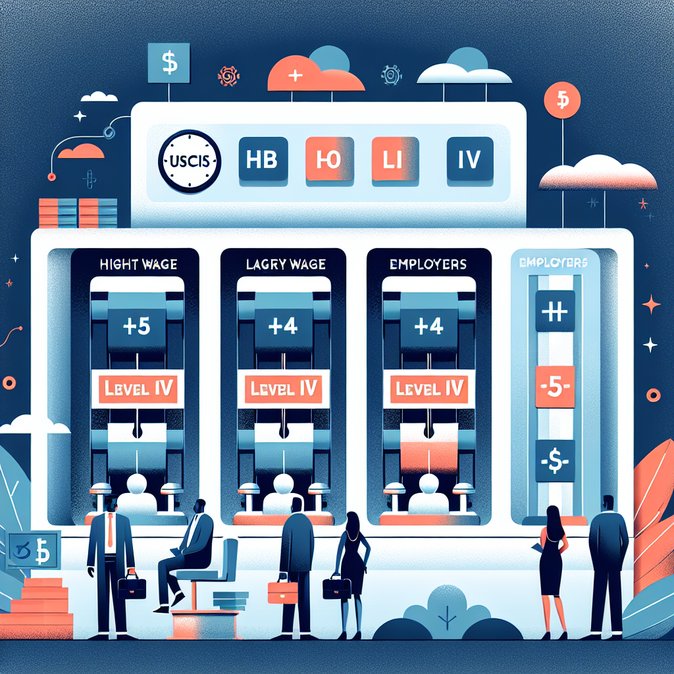
A January 6 2026 client alert from Foley & Lardner underscores the practical impact of DHS’s December 23 2025 final rule replacing the random H-1B cap lottery with a salary-based weighting system. Beginning with the FY 2027 registration cycle (opening March 2026), entries tied to Level IV wages will receive four chances in the draw, Level III three, Level II two and Level I just one. (jdsupra.com)
USCIS says the change—effective February 27 2026—will “incentivize employers to offer higher wages” and curb abuse. For multinationals, the rule alters cost models: paying an extra US $15,000-20,000 in salary could dramatically improve selection odds, potentially offsetting the new US $100,000 integrity fee if that surcharge survives court review.
![Weighted H-1B Lottery Rule Takes Effect—Higher Wages, Better Odds]()
For employers recalibrating their global mobility strategy, VisaHQ’s U.S. immigration experts can streamline the entire H-1B process—from prevailing wage determinations to document collection—helping companies align salary levels with the new rule while keeping timelines on track. Explore their resources at https://www.visahq.com/united-states/
Immigration teams should begin wage-level audits now, coordinating with compensation and tax departments to model downstream payroll impacts in host and home locations. STEM-heavy firms may benefit, but nonprofits and startups fear being priced out unless Congress raises the 85,000-visa cap.
Critics also warn the system could disadvantage rural hospitals and public-sector employers that rely on lower wage levels but fill critical skills gaps. Expect guidance on evidentiary requirements—USCIS is likely to scrutinize wage admissions closely to prevent employers from inflating salaries only on paper.
USCIS says the change—effective February 27 2026—will “incentivize employers to offer higher wages” and curb abuse. For multinationals, the rule alters cost models: paying an extra US $15,000-20,000 in salary could dramatically improve selection odds, potentially offsetting the new US $100,000 integrity fee if that surcharge survives court review.

For employers recalibrating their global mobility strategy, VisaHQ’s U.S. immigration experts can streamline the entire H-1B process—from prevailing wage determinations to document collection—helping companies align salary levels with the new rule while keeping timelines on track. Explore their resources at https://www.visahq.com/united-states/
Immigration teams should begin wage-level audits now, coordinating with compensation and tax departments to model downstream payroll impacts in host and home locations. STEM-heavy firms may benefit, but nonprofits and startups fear being priced out unless Congress raises the 85,000-visa cap.
Critics also warn the system could disadvantage rural hospitals and public-sector employers that rely on lower wage levels but fill critical skills gaps. Expect guidance on evidentiary requirements—USCIS is likely to scrutinize wage admissions closely to prevent employers from inflating salaries only on paper.