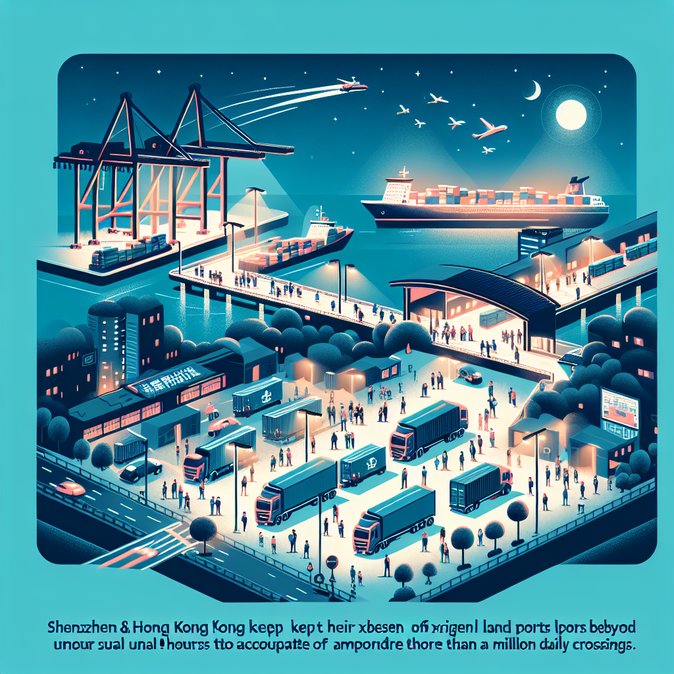
In a rare joint move, immigration authorities in Shenzhen and Hong Kong extended operating hours at the region’s two busiest land ports—Luohu/Lo Wu and Shenzhen Bay—during the countdown to 2026. Luohu stayed open until 02:00 on 1 January, two hours past its normal midnight closure, while Shenzhen Bay operated non-stop until 06:30, giving both passenger and freight traffic extra breathing room.
Officials predicted up to 1.03 million crossings on New-Year’s Day alone and an average of 950,000 daily movements over the three-day holiday. The temporary measure proved critical in preventing gridlock: real-time data show maximum wait times of 30 minutes at peak, compared with more than 90 minutes during the 2025 holiday.
For travellers planning similar cross-border trips, having the right documents sorted in advance is vital. VisaHQ (https://www.visahq.com/china/) simplifies visa and travel-permit applications for China, Hong Kong and many other destinations, offering expert checks and real-time tracking so you can focus on schedules rather than paperwork—especially useful if extended port hours become more common.
![Luohu and Shenzhen Bay checkpoints stay open overnight to ease New-Year cross-border rush]()
Freight operators reaped unexpected benefits. Truckers normally licensed for other ports were permitted to divert to Shenzhen Bay, a policy tweak that stabilised just-in-time deliveries of high-value goods such as chilled seafood and luxury fashion items destined for Hong Kong retailers and Macau casino resorts. The ad-hoc freight flexibility could serve as a pilot for more permanent ‘dynamic routing’ during future peak periods.
Businesses with cross-boundary commuters should note that the overnight opening was officially a one-off, but local chambers of commerce are lobbying to institutionalise extended hours around major holidays and large-scale trade fairs. If adopted, that would materially improve labour-scheduling options for manufacturers and service providers straddling the boundary.
Commuters also tested the newly launched ‘e-Lane+’ QR-code pre-clearance system, which cut formalities to under 20 seconds for eligible frequent-traveller cardholders. Expect wider rollout before the Lunar-New-Year peak in February.
Officials predicted up to 1.03 million crossings on New-Year’s Day alone and an average of 950,000 daily movements over the three-day holiday. The temporary measure proved critical in preventing gridlock: real-time data show maximum wait times of 30 minutes at peak, compared with more than 90 minutes during the 2025 holiday.
For travellers planning similar cross-border trips, having the right documents sorted in advance is vital. VisaHQ (https://www.visahq.com/china/) simplifies visa and travel-permit applications for China, Hong Kong and many other destinations, offering expert checks and real-time tracking so you can focus on schedules rather than paperwork—especially useful if extended port hours become more common.
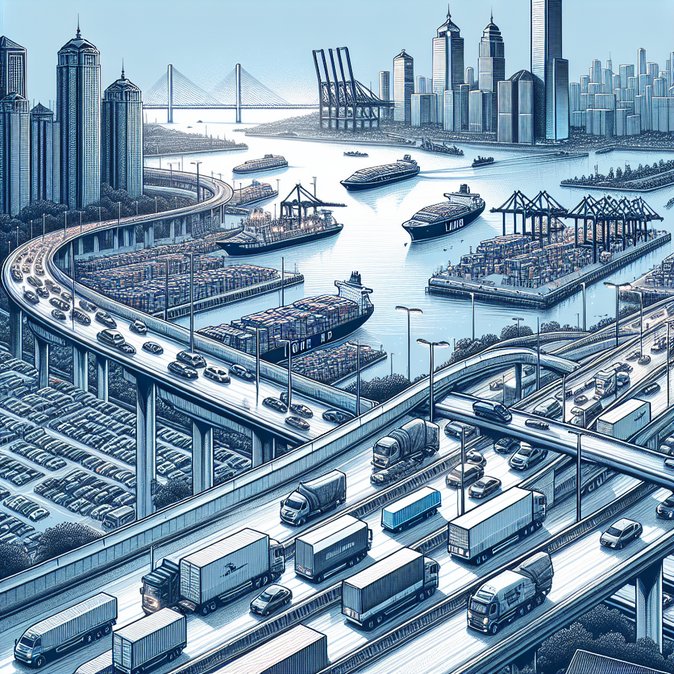
Freight operators reaped unexpected benefits. Truckers normally licensed for other ports were permitted to divert to Shenzhen Bay, a policy tweak that stabilised just-in-time deliveries of high-value goods such as chilled seafood and luxury fashion items destined for Hong Kong retailers and Macau casino resorts. The ad-hoc freight flexibility could serve as a pilot for more permanent ‘dynamic routing’ during future peak periods.
Businesses with cross-boundary commuters should note that the overnight opening was officially a one-off, but local chambers of commerce are lobbying to institutionalise extended hours around major holidays and large-scale trade fairs. If adopted, that would materially improve labour-scheduling options for manufacturers and service providers straddling the boundary.
Commuters also tested the newly launched ‘e-Lane+’ QR-code pre-clearance system, which cut formalities to under 20 seconds for eligible frequent-traveller cardholders. Expect wider rollout before the Lunar-New-Year peak in February.