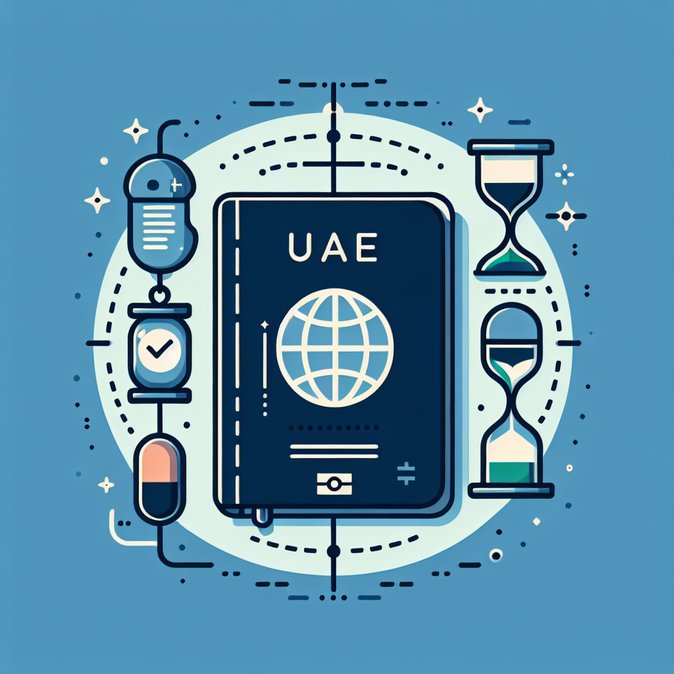
The United Arab Emirates has kicked off 2026 with the most significant tweak to its short-term work-permit regime in more than a decade. A Cabinet decision published on 1 January converts the existing single-entry Visit Visa for Work Assignments—popularly known as the Mission Visa—into a two-year, multiple-entry permit.
Under the draft regulation, foreign assignees will be able to shuttle in and out of the country for up to 60 days per trip, capped at 180 days of physical presence in any rolling 12-month period. Crucially, visa validity is now linked electronically to the traveller’s passport, allowing seamless passage through e-gates without fresh stamping or manual checks on every arrival.
A mandatory medical exam must still be completed within 15 days of first entry, but renewals will only be required every 24 months. Immigration advisers say the change closes a long-standing gap between 90-day mission visas and the far costlier two-year residence permit, giving employers a legal middle ground for consultants, auditors, fit-out crews and other specialists who need to rotate through UAE projects over an extended horizon.
![UAE unveils two-year, multiple-entry “Mission Visa” for project-based workers]()
Organisations that need practical, end-to-end support with these new rules can lean on VisaHQ’s UAE experts, who handle everything from paperwork compilation and medical exam scheduling to status tracking—freeing HR teams to focus on project delivery. Explore the service at https://www.visahq.com/united-arab-emirates/
For global-mobility managers, the savings are tangible: fewer renewals, no repeated passport surrenders for cancellation, and the ability to deploy the same worker across multiple client sites without re-applying. The Ministry of Human Resources and Emiratisation (MoHRE) is expected to publish implementing rules in Q1 2026, detailing eligible professions, fee schedules and sponsor obligations. In the interim, companies should continue to budget for single-entry visas but build transition timelines—and employee communications—around a likely mid-year switchover.
The reform also dovetails with the UAE’s broader push to digitise immigration procedures. Because the new permit is stored in the national Advance Passenger Information System, holders will be able to walk straight through automated gates at Dubai and Abu Dhabi airports, cutting arrival processing to seconds. Taken together, the measures reinforce the Emirates’ reputation as the Gulf’s most assignment-friendly hub—and raise the bar for competing regional markets still reliant on paper-based, single-entry authorisations.
Under the draft regulation, foreign assignees will be able to shuttle in and out of the country for up to 60 days per trip, capped at 180 days of physical presence in any rolling 12-month period. Crucially, visa validity is now linked electronically to the traveller’s passport, allowing seamless passage through e-gates without fresh stamping or manual checks on every arrival.
A mandatory medical exam must still be completed within 15 days of first entry, but renewals will only be required every 24 months. Immigration advisers say the change closes a long-standing gap between 90-day mission visas and the far costlier two-year residence permit, giving employers a legal middle ground for consultants, auditors, fit-out crews and other specialists who need to rotate through UAE projects over an extended horizon.

Organisations that need practical, end-to-end support with these new rules can lean on VisaHQ’s UAE experts, who handle everything from paperwork compilation and medical exam scheduling to status tracking—freeing HR teams to focus on project delivery. Explore the service at https://www.visahq.com/united-arab-emirates/
For global-mobility managers, the savings are tangible: fewer renewals, no repeated passport surrenders for cancellation, and the ability to deploy the same worker across multiple client sites without re-applying. The Ministry of Human Resources and Emiratisation (MoHRE) is expected to publish implementing rules in Q1 2026, detailing eligible professions, fee schedules and sponsor obligations. In the interim, companies should continue to budget for single-entry visas but build transition timelines—and employee communications—around a likely mid-year switchover.
The reform also dovetails with the UAE’s broader push to digitise immigration procedures. Because the new permit is stored in the national Advance Passenger Information System, holders will be able to walk straight through automated gates at Dubai and Abu Dhabi airports, cutting arrival processing to seconds. Taken together, the measures reinforce the Emirates’ reputation as the Gulf’s most assignment-friendly hub—and raise the bar for competing regional markets still reliant on paper-based, single-entry authorisations.