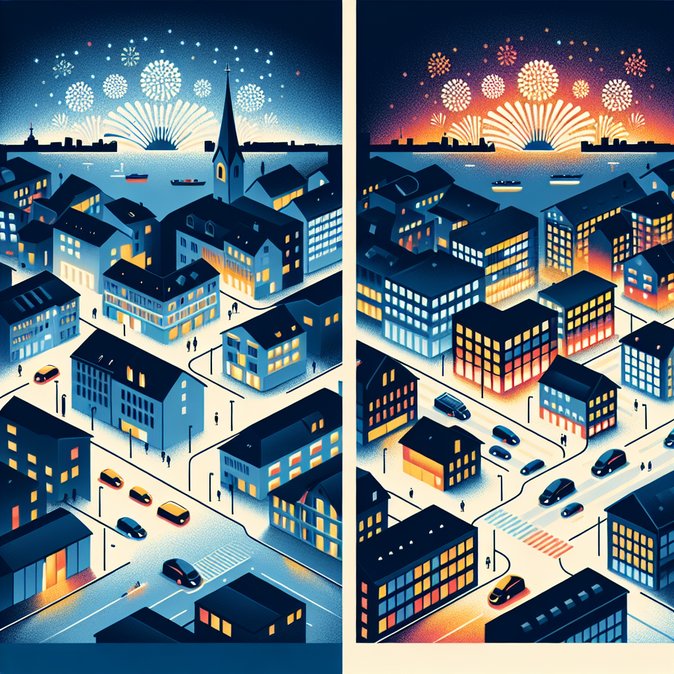
Celebrating 2026 will look different across Switzerland as many cities either cancel or significantly downsize their official fireworks displays. A survey released on 31 December by news agency Keystone-SDA shows that Basel, Bern, Lausanne, St Gallen and several mid-sized towns have opted for light shows or no event at all, citing cost, animal-welfare and air-quality concerns. Zurich and Geneva are among the few that will keep the tradition alive, staging lakeside pyrotechnics under tightened safety and traffic rules.
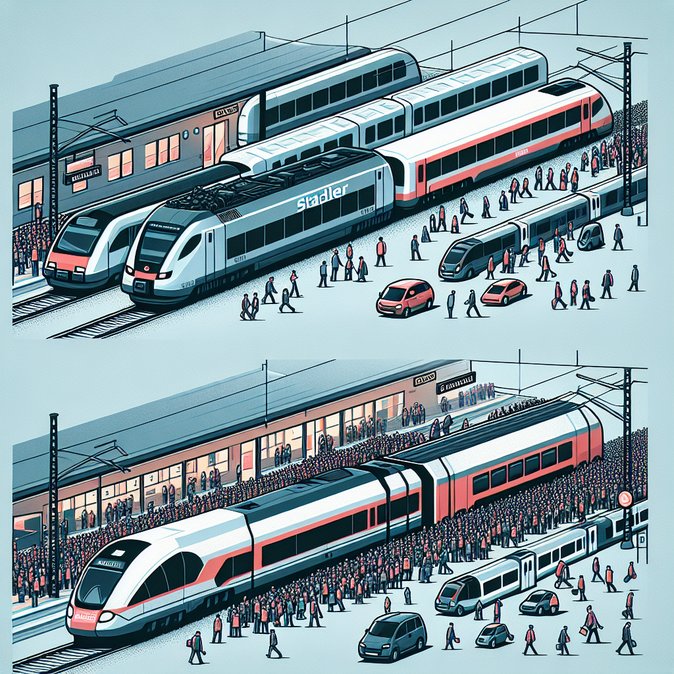
Zurich’s “Silvesterzauber” kicks off at 20:00 with food stalls and music around the lake basin; the 15-minute show is scheduled for 00:20. The city police have imposed a night-long firework-free zone extending along the Limmat and across Quaibrücke, and will close several quayside roads from 15:00 on 31 December until noon on 1 January. Organisers expect up to 150,000 visitors—half the pre-pandemic peak—so extra S-Bahn trains and night trams will run, but private cars are discouraged.
Travellers planning to ring in the New Year in Switzerland should also double-check their entry documents: VisaHQ’s user-friendly platform (https://www.visahq.com/switzerland/) can quickly verify individual visa requirements and submit applications for tourist, business or work permits. By taking care of the paperwork in advance, expatriates and holiday-makers alike can spend less time on administration and more time enjoying the lakeside celebrations.
![Swiss cities scale back New Year’s Eve fireworks, altering crowd and traffic flows]()
Geneva’s lakeside party carries the motto “Ensemble on brille!” and features karaoke stages and food trucks at the Gustave-Ador pier. Public-transport operator TPG will extend bus and tram services, while the cantonal police have issued a temporary ban on personal fireworks within a 500-metre radius of the event site. Lucerne remains the only central-Swiss city financing an official display, hoping to boost winter tourism occupancy.
The shrinking firework map has practical implications for global-mobility managers arranging expatriate moves or short-term assignments over the holiday period. Employees living near Zurich’s lakefront may need temporary remote-work arrangements on 1 January due to overnight road closures, while those in Basel face no city-sponsored spectacle but must still comply with strict private-firework rules.
Environmental NGOs welcomed the trend, noting that particulate-matter spikes from fireworks can exceed daily emission levels in a single hour. Hoteliers, however, fear a potential dip in overnight stays, especially in Bern and Lausanne where the New-Year display was traditionally a visitor draw. Municipalities say they will evaluate crowd data in early January before deciding on 2026 festivities.
Zurich’s “Silvesterzauber” kicks off at 20:00 with food stalls and music around the lake basin; the 15-minute show is scheduled for 00:20. The city police have imposed a night-long firework-free zone extending along the Limmat and across Quaibrücke, and will close several quayside roads from 15:00 on 31 December until noon on 1 January. Organisers expect up to 150,000 visitors—half the pre-pandemic peak—so extra S-Bahn trains and night trams will run, but private cars are discouraged.
Travellers planning to ring in the New Year in Switzerland should also double-check their entry documents: VisaHQ’s user-friendly platform (https://www.visahq.com/switzerland/) can quickly verify individual visa requirements and submit applications for tourist, business or work permits. By taking care of the paperwork in advance, expatriates and holiday-makers alike can spend less time on administration and more time enjoying the lakeside celebrations.

Geneva’s lakeside party carries the motto “Ensemble on brille!” and features karaoke stages and food trucks at the Gustave-Ador pier. Public-transport operator TPG will extend bus and tram services, while the cantonal police have issued a temporary ban on personal fireworks within a 500-metre radius of the event site. Lucerne remains the only central-Swiss city financing an official display, hoping to boost winter tourism occupancy.
The shrinking firework map has practical implications for global-mobility managers arranging expatriate moves or short-term assignments over the holiday period. Employees living near Zurich’s lakefront may need temporary remote-work arrangements on 1 January due to overnight road closures, while those in Basel face no city-sponsored spectacle but must still comply with strict private-firework rules.
Environmental NGOs welcomed the trend, noting that particulate-matter spikes from fireworks can exceed daily emission levels in a single hour. Hoteliers, however, fear a potential dip in overnight stays, especially in Bern and Lausanne where the New-Year display was traditionally a visitor draw. Municipalities say they will evaluate crowd data in early January before deciding on 2026 festivities.