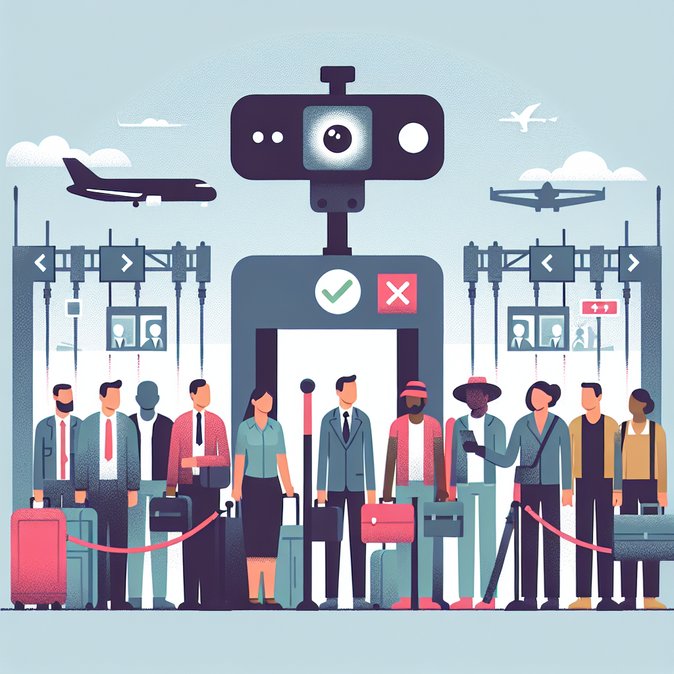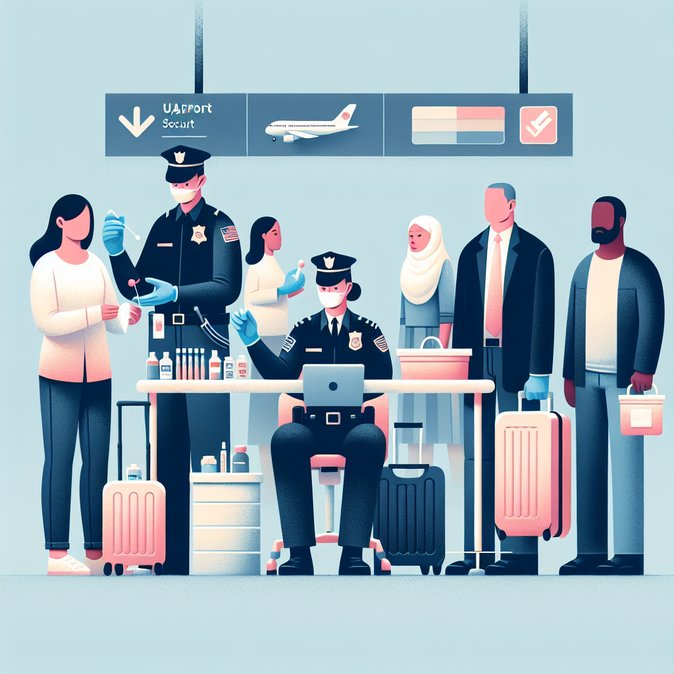
Just three days after expanding facial-recognition checks, U.S. airports have taken another controversial step: collecting DNA swabs and fingerprints from certain international passengers. According to a CBP notice confirmed on December 29, frontline officers may now request cheek-swab samples when they believe additional verification is needed—particularly in removal proceedings, asylum claims or cases of suspected document fraud.
The programme, currently limited to the 20 busiest international terminals (including JFK, LAX, MIA and ATL), is part of DHS’s broader biometrics modernization strategy and dovetails with a 2020 Justice Department rule that authorised DNA collection from non-citizens in federal custody. CBP insists the swabs will be used only for identity confirmation and will be destroyed once an individual’s immigration case is resolved, but civil-liberty advocates call the expansion “genetic surveillance by stealth.”
Operationally, the biggest impact is likely to be in secondary inspection areas where selected passengers will undergo swabbing—a process that CBP estimates will add five to seven minutes per passenger. Airlines and airport authorities are scrambling to re-route peak-season queues. Business-aviation groups worry private-jet travellers could face unpredictable holds that ripple through tight itineraries.
![US Airports Begin DNA Collection Pilot on International Travellers]()
For travellers who want to avoid last-minute surprises at U.S. ports of entry, VisaHQ can provide up-to-date guidance on biometrics policy changes, help confirm whether additional documentation might be required, and even facilitate expedited visa processing when applicable. The company’s platform (https://www.visahq.com/united-states/) aggregates real-time CBP advisories, ensuring corporate mobility teams and individual passengers alike stay compliant before they board a flight.
Companies that relocate staff on short-notice assignments should alert international assignees that refusal to provide DNA could be treated as non-co-operation and trigger inadmissibility findings. Legal counsel recommend carrying proof of existing U.S. immigration status to reduce the likelihood of referral.
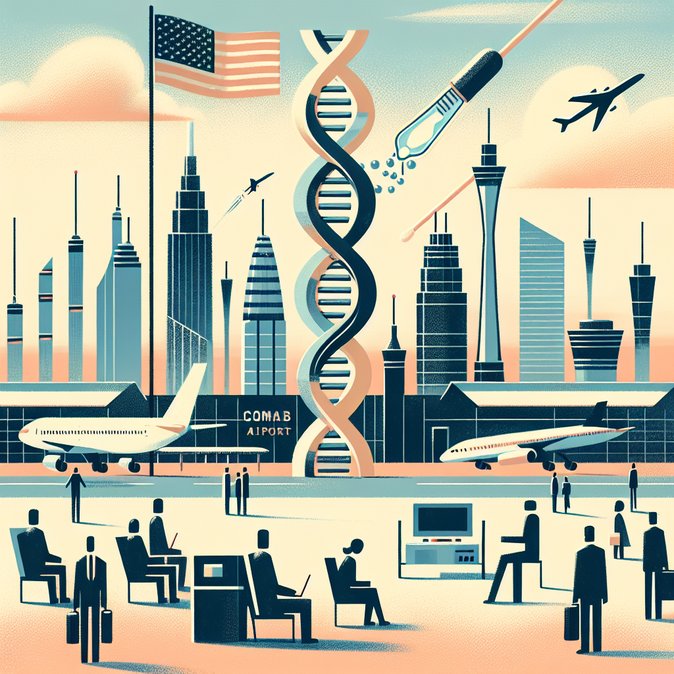
CBP aims to evaluate the pilot by April 2026. If expanded nationwide, DNA capture would join face and fingerprint data in a triad of identifiers stored in DHS’s IDENT database—raising complex questions under GDPR-style data-protection laws for multinationals moving EU personnel into the United States.
The programme, currently limited to the 20 busiest international terminals (including JFK, LAX, MIA and ATL), is part of DHS’s broader biometrics modernization strategy and dovetails with a 2020 Justice Department rule that authorised DNA collection from non-citizens in federal custody. CBP insists the swabs will be used only for identity confirmation and will be destroyed once an individual’s immigration case is resolved, but civil-liberty advocates call the expansion “genetic surveillance by stealth.”
Operationally, the biggest impact is likely to be in secondary inspection areas where selected passengers will undergo swabbing—a process that CBP estimates will add five to seven minutes per passenger. Airlines and airport authorities are scrambling to re-route peak-season queues. Business-aviation groups worry private-jet travellers could face unpredictable holds that ripple through tight itineraries.
For travellers who want to avoid last-minute surprises at U.S. ports of entry, VisaHQ can provide up-to-date guidance on biometrics policy changes, help confirm whether additional documentation might be required, and even facilitate expedited visa processing when applicable. The company’s platform (https://www.visahq.com/united-states/) aggregates real-time CBP advisories, ensuring corporate mobility teams and individual passengers alike stay compliant before they board a flight.
Companies that relocate staff on short-notice assignments should alert international assignees that refusal to provide DNA could be treated as non-co-operation and trigger inadmissibility findings. Legal counsel recommend carrying proof of existing U.S. immigration status to reduce the likelihood of referral.
CBP aims to evaluate the pilot by April 2026. If expanded nationwide, DNA capture would join face and fingerprint data in a triad of identifiers stored in DHS’s IDENT database—raising complex questions under GDPR-style data-protection laws for multinationals moving EU personnel into the United States.