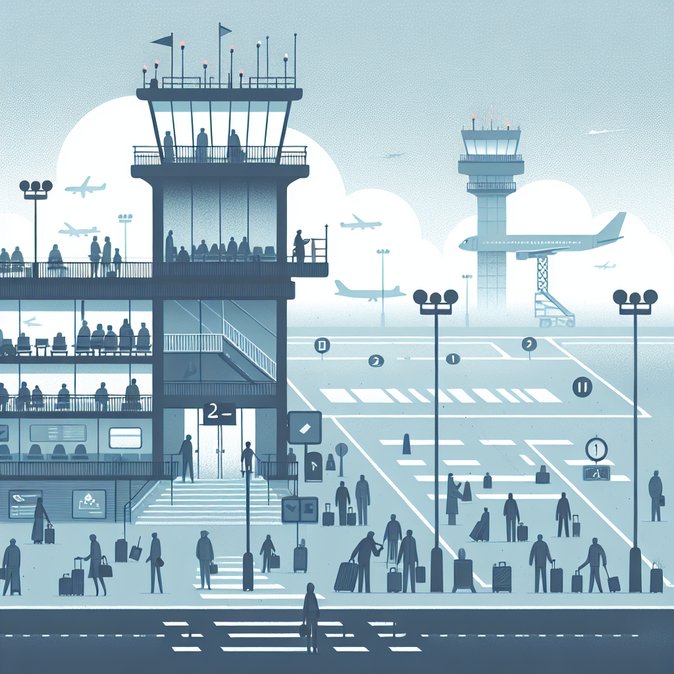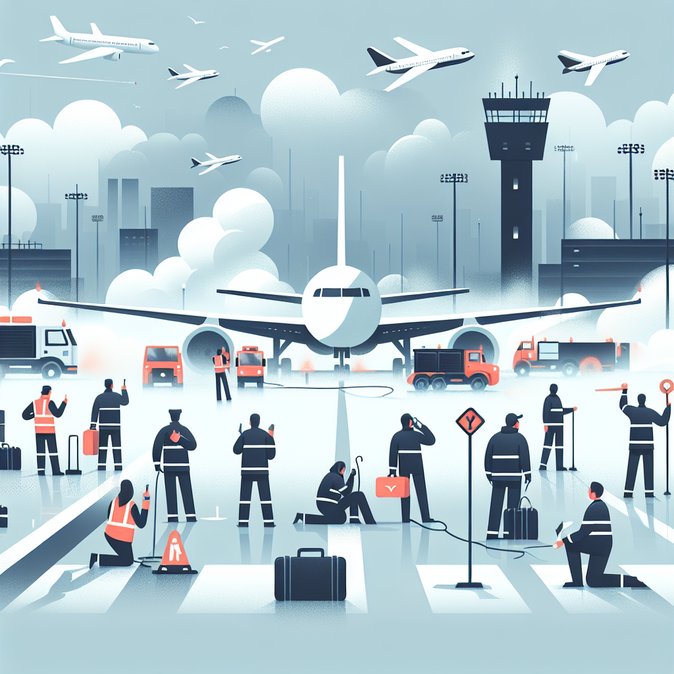
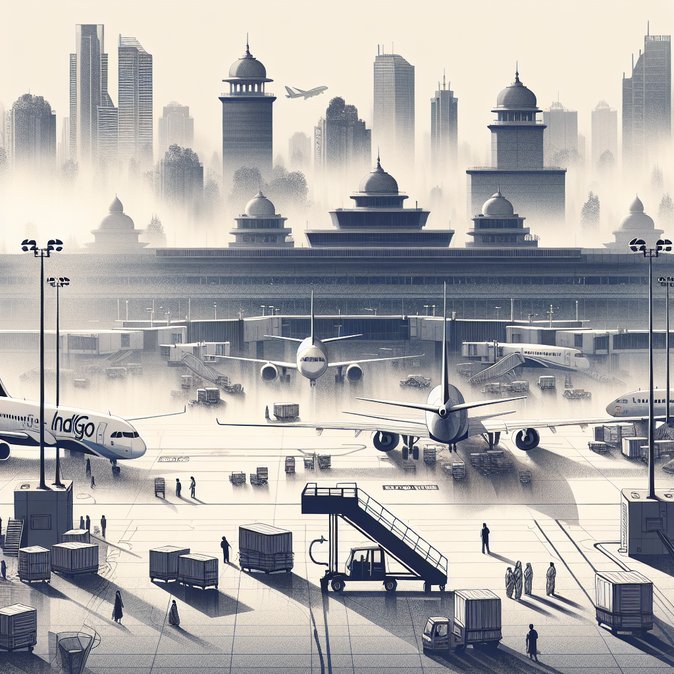
A thick blanket of fog descended on Delhi and large parts of northern India in the early hours of 29 December 2025, slashing visibility at Indira Gandhi International Airport to 50 metres and triggering an orange alert from the India Meteorological Department (IMD). Within minutes, departure banks at Delhi, Lucknow, Amritsar, Patna and Varanasi showed cascading delays, while Air Traffic Control began spacing arriving jets at 10-minute intervals to maintain safe separation. Airlines scrambled to reposition crews and aircraft: IndiGo cancelled more than 80 flights system-wide, while Air India activated its “FogCare” re-booking and free-refund scheme for the second consecutive day.
The Ministry of Civil Aviation stepped in by mid-morning with a public advisory urging passengers to “check flight status before leaving for the airport and allow extra travel time.” It also reminded carriers of their obligation to provide meals and hotel accommodation for delays exceeding six hours. Civil Aviation Secretary Vumlunmang Vualnam said a task-force of regulators, airlines and airport operators would meet daily until the fog episode subsides.
![Dense fog paralyzes air traffic across North India; government and airlines issue emergency advisories]()
For travellers whose postponed flights connect to onward international journeys, visa paperwork can add another layer of anxiety. VisaHQ (https://www.visahq.com/india/) offers an efficient workaround by handling visa applications end-to-end, providing real-time status alerts and even arranging courier pickup and delivery of documents—so that once skies clear, your documentation is ready to go.
Business travellers were hit hardest: board-meetings in Mumbai were shifted online, and several export houses in Noida reported that foreign buyers missed factory visits. Logistics firms estimate that every hour of fog-related disruption at Delhi costs the economy roughly ₹35 crore in lost productivity and cargo delays. Hoteliers around the airport, however, saw occupancy spike to nearly 95 percent as stranded passengers booked last-minute rooms.
Experts say the frequency of severe fog events is rising. “Urban heat-island effects and stagnant winter air trap pollutants, creating a perfect mix for radiation fog,” notes Dr Mona Bedi, atmospheric scientist at IIT-Kanpur. She urged accelerated roll-out of CAT-III-B compliant runways beyond Delhi and Lucknow so that tier-II airports can maintain operations in poor visibility. Until then, travellers can expect repeated disruptions through January.
The Ministry of Civil Aviation stepped in by mid-morning with a public advisory urging passengers to “check flight status before leaving for the airport and allow extra travel time.” It also reminded carriers of their obligation to provide meals and hotel accommodation for delays exceeding six hours. Civil Aviation Secretary Vumlunmang Vualnam said a task-force of regulators, airlines and airport operators would meet daily until the fog episode subsides.
For travellers whose postponed flights connect to onward international journeys, visa paperwork can add another layer of anxiety. VisaHQ (https://www.visahq.com/india/) offers an efficient workaround by handling visa applications end-to-end, providing real-time status alerts and even arranging courier pickup and delivery of documents—so that once skies clear, your documentation is ready to go.
Business travellers were hit hardest: board-meetings in Mumbai were shifted online, and several export houses in Noida reported that foreign buyers missed factory visits. Logistics firms estimate that every hour of fog-related disruption at Delhi costs the economy roughly ₹35 crore in lost productivity and cargo delays. Hoteliers around the airport, however, saw occupancy spike to nearly 95 percent as stranded passengers booked last-minute rooms.
Experts say the frequency of severe fog events is rising. “Urban heat-island effects and stagnant winter air trap pollutants, creating a perfect mix for radiation fog,” notes Dr Mona Bedi, atmospheric scientist at IIT-Kanpur. She urged accelerated roll-out of CAT-III-B compliant runways beyond Delhi and Lucknow so that tier-II airports can maintain operations in poor visibility. Until then, travellers can expect repeated disruptions through January.