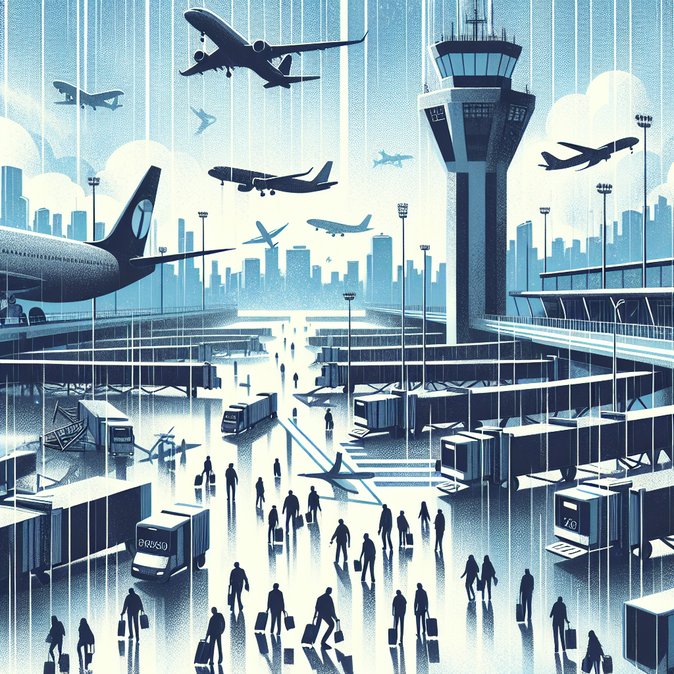
Travellers hoping for a smooth getaway from Brazil’s busiest international hub woke up to a wall of red on departure boards this morning. By 10 a.m. local time (29 December) São Paulo-Guarulhos International Airport (GRU) had logged 90 delayed departures and 11 outright cancellations, according to real-time data cited by airport officials. Routes to high-yield U.S. gateways—Miami, New York and Orlando—were among the hardest hit, along with trans-Atlantic services to Madrid and Lisbon.
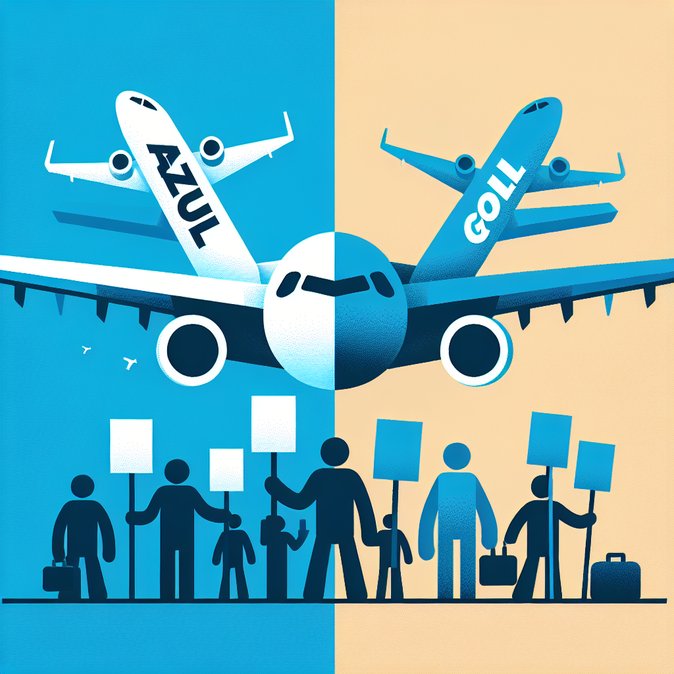
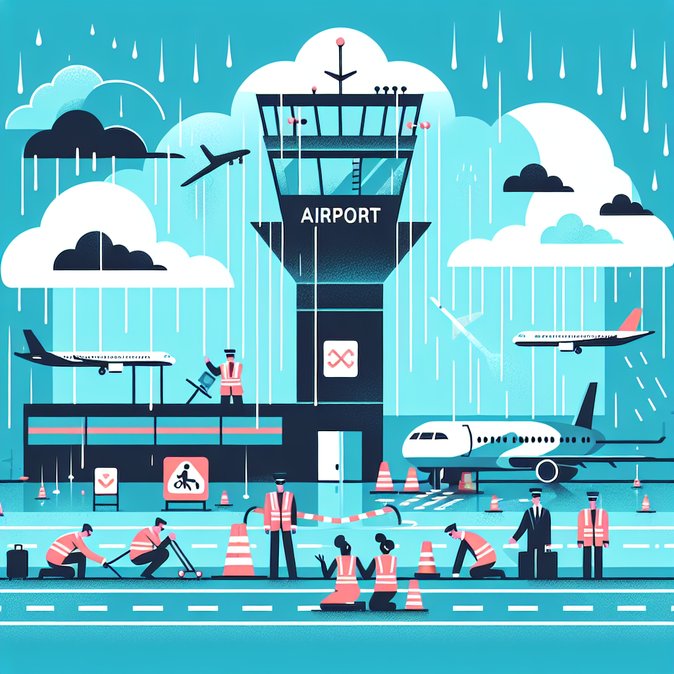
LATAM Brasil and Azul accounted for the bulk of the disruption, though American Airlines and TAP also reported knock-on delays as they waited for slots and crews. Ground handlers blamed a perfect storm: heavy overnight rain flooded two remote stands, forcing a last-minute reshuffle of gate assignments, while an earlier staffing shortage in air-traffic-control’s night shift triggered cascading slot re-sequencing.
For corporate mobility teams the timing could not be worse. The week between Christmas and New Year already sees load factors near 95 percent, leaving little slack for re-booking. Deloitte Brazil told clients to expect two-day knock-on effects as aircraft and crews return to position; its own consultants were forced to move a Miami board meeting online after missing the only viable connection.
![Chaos at São Paulo/Guarulhos: 90 Delays, 11 Cancellations Snarl Year-End Travel]()
If sudden itinerary changes mean your travellers now need fresh transit permits, emergency passport renewals or updated entry visas, VisaHQ can step in. Through its digital platform (https://www.visahq.com/brazil/) the service streamlines Brazil eVisa applications, tracks real-time status and can often secure documents within 24–48 hours—buying precious time when a cancelled flight threatens to snowball into project delays.
Travellers stranded in Terminal 3 reported queue times of up to four hours at airline service desks. Brazil’s consumer-protection agency PROCON has reminded carriers that under Resolution 400 they must offer meals after one hour of delay and hotel accommodation after four. Business-class tickets do not exempt travellers from these obligations, a point worth reiterating to VIP passengers who often assume lounge access covers all contingencies.
Practical tip: multinational employers should activate 24-hour assistance numbers and authorise travellers to book their own hotels when queues exceed one hour—receipts can be reconciled later. Mobility managers should also monitor whether the disruption triggers the compensation thresholds under corporate insurance policies, many of which start at six-hour delays.
LATAM Brasil and Azul accounted for the bulk of the disruption, though American Airlines and TAP also reported knock-on delays as they waited for slots and crews. Ground handlers blamed a perfect storm: heavy overnight rain flooded two remote stands, forcing a last-minute reshuffle of gate assignments, while an earlier staffing shortage in air-traffic-control’s night shift triggered cascading slot re-sequencing.
For corporate mobility teams the timing could not be worse. The week between Christmas and New Year already sees load factors near 95 percent, leaving little slack for re-booking. Deloitte Brazil told clients to expect two-day knock-on effects as aircraft and crews return to position; its own consultants were forced to move a Miami board meeting online after missing the only viable connection.
If sudden itinerary changes mean your travellers now need fresh transit permits, emergency passport renewals or updated entry visas, VisaHQ can step in. Through its digital platform (https://www.visahq.com/brazil/) the service streamlines Brazil eVisa applications, tracks real-time status and can often secure documents within 24–48 hours—buying precious time when a cancelled flight threatens to snowball into project delays.
Travellers stranded in Terminal 3 reported queue times of up to four hours at airline service desks. Brazil’s consumer-protection agency PROCON has reminded carriers that under Resolution 400 they must offer meals after one hour of delay and hotel accommodation after four. Business-class tickets do not exempt travellers from these obligations, a point worth reiterating to VIP passengers who often assume lounge access covers all contingencies.
Practical tip: multinational employers should activate 24-hour assistance numbers and authorise travellers to book their own hotels when queues exceed one hour—receipts can be reconciled later. Mobility managers should also monitor whether the disruption triggers the compensation thresholds under corporate insurance policies, many of which start at six-hour delays.