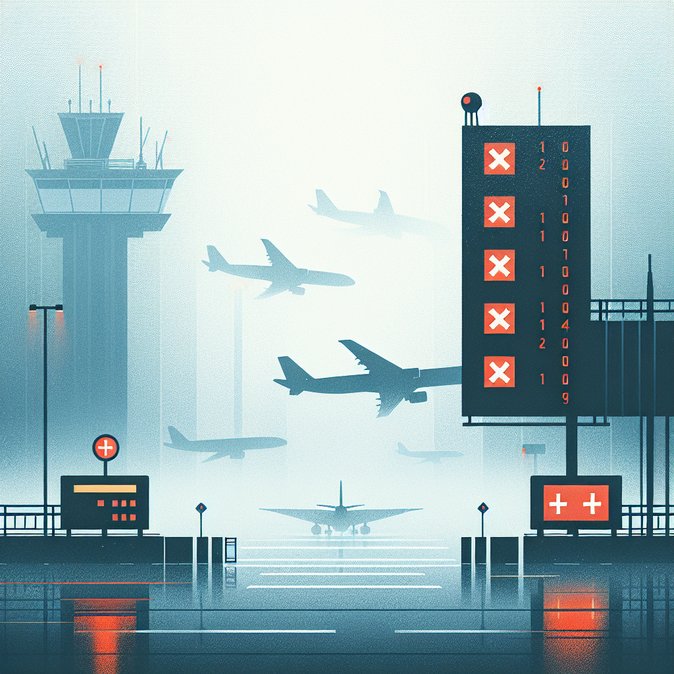
Australia-India News reports that dense fog at New Delhi’s Indira Gandhi International Airport forced the cancellation of 128 flights and the diversion of eight more on 29 December 2025, the peak of the southern-summer travel season for Australian tourists and business travellers. Visibility dropped to 125 metres, triggering CAT III low-visibility procedures that many airlines and crews are not certified to operate.
Among the cancelled services were multiple Air India, Qantas-codeshare and Vistara flights connecting Delhi with Sydney and Melbourne via Singapore. Travel-management companies estimate that more than 600 Australia-bound passengers are now in hotel quarantine near the airport because onward services are fully booked until at least 2 January. Rail networks in northern India also suffered delays, hampering alternative overland routes to Mumbai and Bengaluru.
In addition, sudden schedule changes often mean travellers must amend or extend entry documents. VisaHQ’s online platform (https://www.visahq.com/australia/) can quickly arrange Indian e-visas or Australian ETA renewals, provide real-time status updates, and even coordinate courier pickup of passports for sticker visas—all from a hotel room or airport lounge. Having this support streamlines the paperwork so passengers can focus on rebooking flights rather than worrying about visa validity.
![Delhi fog grounds 128 flights, stranding holidaymakers including hundreds of Australians]()
The Directorate-General of Civil Aviation (DGCA) has officially declared 10 December 2025 – 10 February 2026 the annual “fog season” and warned carriers to build additional turnaround buffers into rosters. Australian insurers remind policyholders that weather-related flight cancellations fall under “force majeure” clauses: entitlement is often limited to modest accommodation and meal allowances unless travellers purchased premium cover.
Corporate mobility teams with project staff in India should review split-ticket itineraries that route through Delhi and consider rerouting via Mumbai or Bengaluru, where CAT IIIB infrastructure is more robust. Travellers unable to secure re-accommodation in airline-contracted hotels should retain receipts, as India’s air-passenger-rights rules cap airline liability at roughly INR 10,000 (about AUD 185).
Health authorities also caution that the same meteorological inversion producing fog is trapping hazardous PM2.5 pollution over Delhi; staying indoors and using N95 masks is advisable for travellers with respiratory conditions while awaiting rebooking.
Among the cancelled services were multiple Air India, Qantas-codeshare and Vistara flights connecting Delhi with Sydney and Melbourne via Singapore. Travel-management companies estimate that more than 600 Australia-bound passengers are now in hotel quarantine near the airport because onward services are fully booked until at least 2 January. Rail networks in northern India also suffered delays, hampering alternative overland routes to Mumbai and Bengaluru.
In addition, sudden schedule changes often mean travellers must amend or extend entry documents. VisaHQ’s online platform (https://www.visahq.com/australia/) can quickly arrange Indian e-visas or Australian ETA renewals, provide real-time status updates, and even coordinate courier pickup of passports for sticker visas—all from a hotel room or airport lounge. Having this support streamlines the paperwork so passengers can focus on rebooking flights rather than worrying about visa validity.
The Directorate-General of Civil Aviation (DGCA) has officially declared 10 December 2025 – 10 February 2026 the annual “fog season” and warned carriers to build additional turnaround buffers into rosters. Australian insurers remind policyholders that weather-related flight cancellations fall under “force majeure” clauses: entitlement is often limited to modest accommodation and meal allowances unless travellers purchased premium cover.
Corporate mobility teams with project staff in India should review split-ticket itineraries that route through Delhi and consider rerouting via Mumbai or Bengaluru, where CAT IIIB infrastructure is more robust. Travellers unable to secure re-accommodation in airline-contracted hotels should retain receipts, as India’s air-passenger-rights rules cap airline liability at roughly INR 10,000 (about AUD 185).
Health authorities also caution that the same meteorological inversion producing fog is trapping hazardous PM2.5 pollution over Delhi; staying indoors and using N95 masks is advisable for travellers with respiratory conditions while awaiting rebooking.