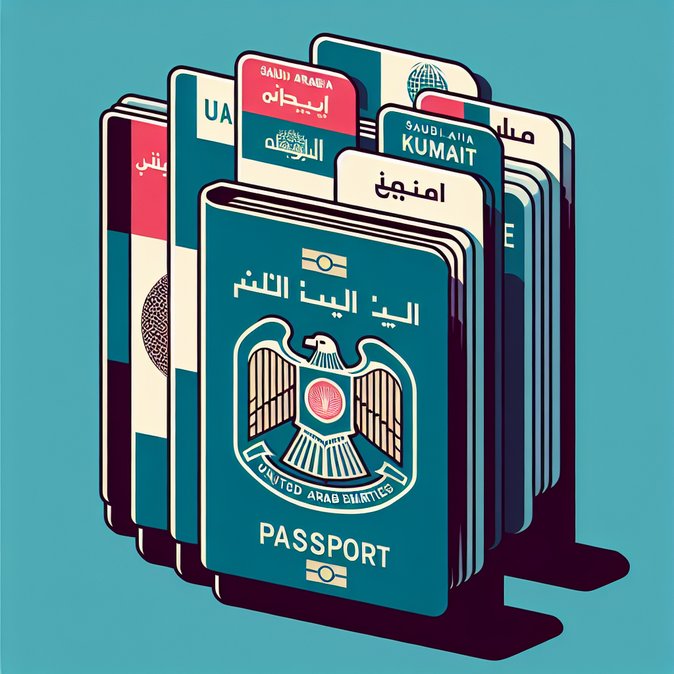
Hopes that tourists would be able to move seamlessly between the Gulf’s six states on a single permit next year have been dashed. Gulf officials confirmed on 29 December that the long-awaited GCC Unified Tourist Visa—often dubbed the ‘Grand Tours Visa’—will not launch in 2025 as previously signalled but will now roll out in 2026.
Saudi Tourism Minister Ahmed Al Khateeb told the Gulf Gateway Investment Forum that deeper technical and security alignment is still required among the UAE, Saudi Arabia, Qatar, Oman, Kuwait and Bahrain. The project needs a shared digital immigration platform, real-time data-sharing protocols and harmonised security vetting before borders can operate under a single system—complexities that have pushed the timeline back by at least 12 months.
For the UAE’s hospitality and events sectors the delay means another high season of multiple visa applications for multi-country Gulf itineraries. Dubai’s tour operators say average processing costs for a six-stop package can exceed US$400 per traveller—expenses that would fall sharply once a unified visa arrives. Airlines such as Emirates and flydubai, which bank on transit traffic across their Gulf networks, must also continue to navigate varying visa-on-arrival rules that complicate through-ticket marketing.
![GCC’s Schengen-style tourist visa slips to 2026, prolonging multi-visa burden for UAE-bound travellers]()
In the meantime, travelers who still need to secure individual UAE visas can simplify the process with VisaHQ: the company’s online portal (https://www.visahq.com/united-arab-emirates/) offers step-by-step guidance, real-time tracking and dedicated support to help applicants meet fluctuating Gulf requirements quickly and confidently.
Corporate travel managers should keep existing multi-visa workflows in place and ensure passengers understand that individual entry rules still apply at each GCC border. However, officials emphasise that the visa architecture is largely finalised; 2026 will be used to complete systems integration and phased testing. Industry analysts believe the extra year could actually produce a more reliable launch, avoiding the stop-start glitches that afflicted the EU’s Schengen Entry/Exit upgrade in 2024.
Until then, the UAE will retain its own tourist-visa regime—including the recently expanded e-extension option—while continuing to champion the unified visa as a centre-piece of regional tourism growth.
Saudi Tourism Minister Ahmed Al Khateeb told the Gulf Gateway Investment Forum that deeper technical and security alignment is still required among the UAE, Saudi Arabia, Qatar, Oman, Kuwait and Bahrain. The project needs a shared digital immigration platform, real-time data-sharing protocols and harmonised security vetting before borders can operate under a single system—complexities that have pushed the timeline back by at least 12 months.
For the UAE’s hospitality and events sectors the delay means another high season of multiple visa applications for multi-country Gulf itineraries. Dubai’s tour operators say average processing costs for a six-stop package can exceed US$400 per traveller—expenses that would fall sharply once a unified visa arrives. Airlines such as Emirates and flydubai, which bank on transit traffic across their Gulf networks, must also continue to navigate varying visa-on-arrival rules that complicate through-ticket marketing.

In the meantime, travelers who still need to secure individual UAE visas can simplify the process with VisaHQ: the company’s online portal (https://www.visahq.com/united-arab-emirates/) offers step-by-step guidance, real-time tracking and dedicated support to help applicants meet fluctuating Gulf requirements quickly and confidently.
Corporate travel managers should keep existing multi-visa workflows in place and ensure passengers understand that individual entry rules still apply at each GCC border. However, officials emphasise that the visa architecture is largely finalised; 2026 will be used to complete systems integration and phased testing. Industry analysts believe the extra year could actually produce a more reliable launch, avoiding the stop-start glitches that afflicted the EU’s Schengen Entry/Exit upgrade in 2024.
Until then, the UAE will retain its own tourist-visa regime—including the recently expanded e-extension option—while continuing to champion the unified visa as a centre-piece of regional tourism growth.