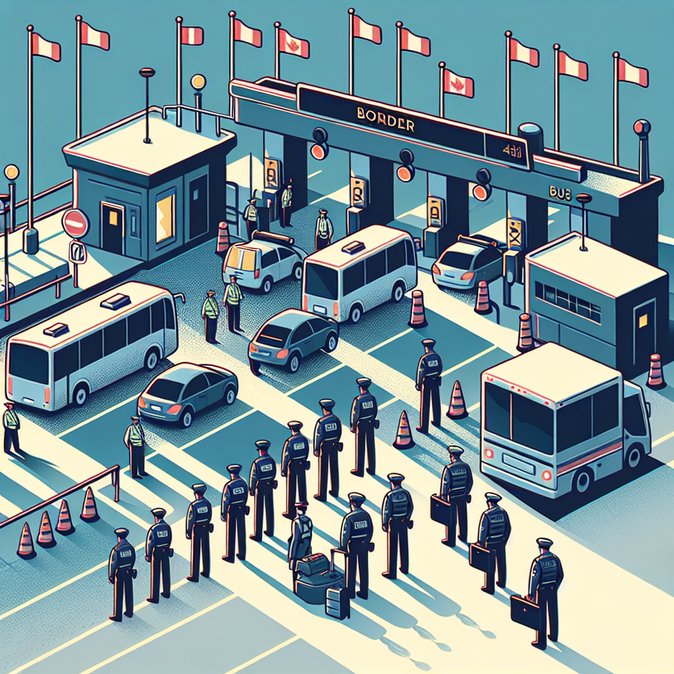
Border guards in Ukraine’s Lviv Oblast reported a sharp spike in passenger traffic through checkpoints with Poland on 28 December, prompting the deployment of extra patrols and additional automated workstations to keep queues moving. Checkpoints at Krakivets, Shehyni, Uhryniv and Rava-Ruska all saw long lines of cars and buses as holidaymakers shuttled between the two countries for New Year celebrations and last-minute shopping trips.
At 10:00 a.m. local time, officials counted 25 cars and 27 buses waiting to leave Ukraine via Krakivets alone, while inbound queues reached 30 cars and 10 buses. Smaller but still significant back-ups were logged at Uhryniv (40 cars) and Rava-Ruska (20 cars). The Western Regional Administration of Ukraine’s Border Guard Service said it was coordinating closely with Polish counterparts to minimise delays and had switched to an “intensified mode of operation” for the entire holiday period.
![Holiday surge clogs Poland–Ukraine crossings in Lviv region]()
To avoid administrative snags that can compound physical delays at the frontier, travelers can turn to VisaHQ’s online portal, which streamlines the process of securing Polish visas, work permits, and residence extensions. The platform allows users to complete applications remotely, receive expert document checks, and track status in real time—cutting the risk of being turned back at the checkpoint. Learn more at https://www.visahq.com/poland/
For business travellers and assignees shuttling between Polish and Ukrainian offices, the surge translates into longer door-to-door journey times and heightened risk of missing onward rail or air connections in Kraków, Rzeszów or Warsaw. Mobility managers are advising travellers to build in at least two extra hours at land borders or re-route via less congested crossings such as Smilnytsia, which reported no queues.
The episode foreshadows what operators expect will be an even busier first quarter as Ukrainians return to Poland for seasonal work and to renew temporary-protection documents that expire in March. Companies employing large numbers of Ukrainian nationals should monitor daily queue data feeds and, where possible, shift movements to night-time windows when traffic thins out.
At 10:00 a.m. local time, officials counted 25 cars and 27 buses waiting to leave Ukraine via Krakivets alone, while inbound queues reached 30 cars and 10 buses. Smaller but still significant back-ups were logged at Uhryniv (40 cars) and Rava-Ruska (20 cars). The Western Regional Administration of Ukraine’s Border Guard Service said it was coordinating closely with Polish counterparts to minimise delays and had switched to an “intensified mode of operation” for the entire holiday period.

To avoid administrative snags that can compound physical delays at the frontier, travelers can turn to VisaHQ’s online portal, which streamlines the process of securing Polish visas, work permits, and residence extensions. The platform allows users to complete applications remotely, receive expert document checks, and track status in real time—cutting the risk of being turned back at the checkpoint. Learn more at https://www.visahq.com/poland/
For business travellers and assignees shuttling between Polish and Ukrainian offices, the surge translates into longer door-to-door journey times and heightened risk of missing onward rail or air connections in Kraków, Rzeszów or Warsaw. Mobility managers are advising travellers to build in at least two extra hours at land borders or re-route via less congested crossings such as Smilnytsia, which reported no queues.
The episode foreshadows what operators expect will be an even busier first quarter as Ukrainians return to Poland for seasonal work and to renew temporary-protection documents that expire in March. Companies employing large numbers of Ukrainian nationals should monitor daily queue data feeds and, where possible, shift movements to night-time windows when traffic thins out.