Just ten weeks after the EU’s biometric Entry/Exit System (EES) went live, Airport Council International (ACI) Europe sounded the alarm on 27 December 2025, warning that technical glitches are stretching border-processing times by up to 70 per cent. In a letter to the European Commission and Schengen member states – Switzerland included – ACI demands an immediate operational review before traffic peaks again in early January.
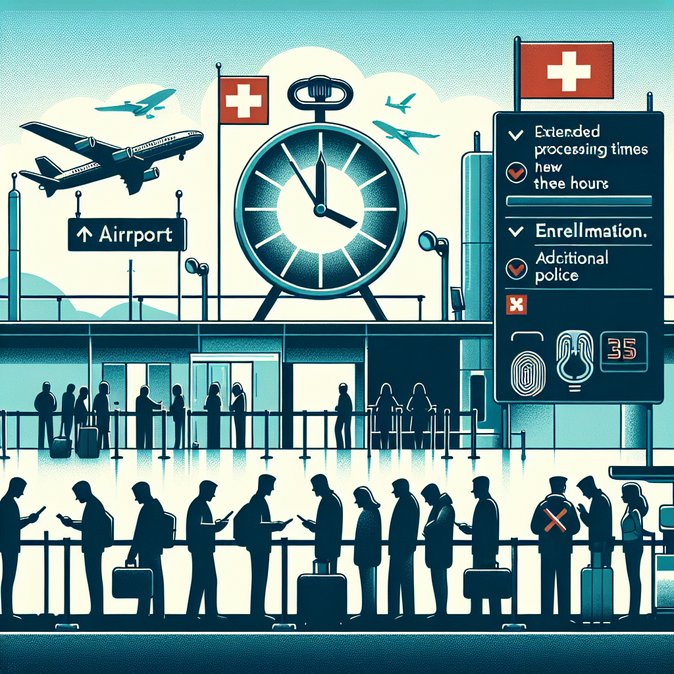
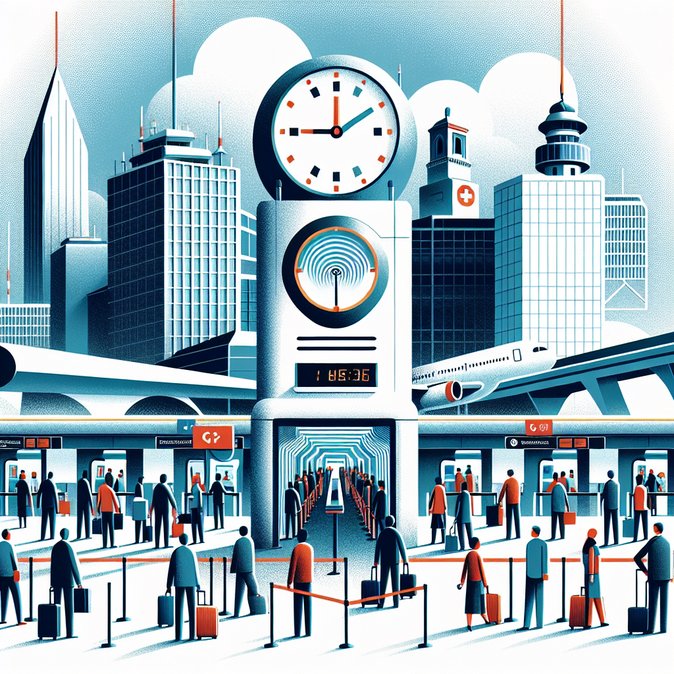
The EES replaces manual passport stamping for third-country nationals with fingerprint and face-image capture. While conceptually straightforward, several airports have reported kiosk outages, software mis-configurations and insufficient staffing. Travellers at Paris-CDG, Frankfurt and Rome have queued for more than three hours at peak times. Though Zürich Kloten and Geneva Cointrin have so far avoided headline-grabbing delays, Swiss border officials privately admit the holiday surge is testing newly installed booths; contingency lanes staffed by cantonal police remain open during rush periods.
ACI warns that the system is due to scale up further on 9 January, when the threshold for mandatory biometric capture rises from 15 to 35 per cent of eligible travellers. If bugs persist, congestion could become “systemic”, compromising not only the passenger experience but also air-side safety as crowds build in secure zones. Airlines fear missed connections will translate into compensation bills under EC 261 and ripple through already stretched winter schedules.
![Airports Urge Emergency Fix for EU Entry/Exit System as Queues Grow – Swiss Hubs on Alert]()
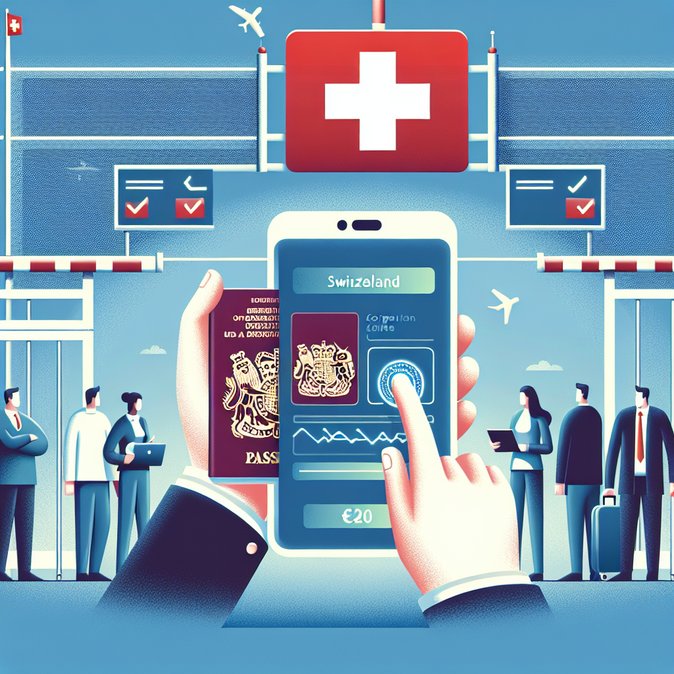
Meanwhile, individual travellers and corporate mobility teams looking for hands-on guidance with Europe’s shifting entry rules can turn to VisaHQ’s Switzerland desk. The online platform consolidates the latest EES advisories, offers document-check services and can schedule priority appointments, helping passengers avoid costly mistakes and reduce time spent at the border. Details are available at https://www.visahq.com/switzerland/
For Swiss corporates the message is clear: advise inbound non-EU suppliers and project teams to add at least 45 minutes to immigration estimates and to pre-watch instructional videos released by Zürich airport. Mobility managers should also verify that VIP “meet-and-assist” providers have EES-fast-track accreditation; some smaller handlers still await clearance from the Federal Office for Customs and Border Security.
Longer term, SEM and airport operators are evaluating a Swiss-hosted pre-enrolment portal that would let travellers upload biometrics before departure – a solution supported by ACI but requiring EU-wide approval. Until such upgrades materialise, companies moving talent through Swiss hubs should budget for delays and stagger arrival times to mitigate clustering at the new e-gates.
The EES replaces manual passport stamping for third-country nationals with fingerprint and face-image capture. While conceptually straightforward, several airports have reported kiosk outages, software mis-configurations and insufficient staffing. Travellers at Paris-CDG, Frankfurt and Rome have queued for more than three hours at peak times. Though Zürich Kloten and Geneva Cointrin have so far avoided headline-grabbing delays, Swiss border officials privately admit the holiday surge is testing newly installed booths; contingency lanes staffed by cantonal police remain open during rush periods.
ACI warns that the system is due to scale up further on 9 January, when the threshold for mandatory biometric capture rises from 15 to 35 per cent of eligible travellers. If bugs persist, congestion could become “systemic”, compromising not only the passenger experience but also air-side safety as crowds build in secure zones. Airlines fear missed connections will translate into compensation bills under EC 261 and ripple through already stretched winter schedules.
Meanwhile, individual travellers and corporate mobility teams looking for hands-on guidance with Europe’s shifting entry rules can turn to VisaHQ’s Switzerland desk. The online platform consolidates the latest EES advisories, offers document-check services and can schedule priority appointments, helping passengers avoid costly mistakes and reduce time spent at the border. Details are available at https://www.visahq.com/switzerland/
For Swiss corporates the message is clear: advise inbound non-EU suppliers and project teams to add at least 45 minutes to immigration estimates and to pre-watch instructional videos released by Zürich airport. Mobility managers should also verify that VIP “meet-and-assist” providers have EES-fast-track accreditation; some smaller handlers still await clearance from the Federal Office for Customs and Border Security.
Longer term, SEM and airport operators are evaluating a Swiss-hosted pre-enrolment portal that would let travellers upload biometrics before departure – a solution supported by ACI but requiring EU-wide approval. Until such upgrades materialise, companies moving talent through Swiss hubs should budget for delays and stagger arrival times to mitigate clustering at the new e-gates.