Just as Brazil’s airports gear up for the post-Christmas rush, the National Aeronauts’ Union (SNA) declared a “state of strike” on 26 December. The union—which represents more than 15 000 pilots, copilots and flight attendants—has scheduled online assemblies through 28 December to vote on the Superior Labour Court’s latest wage-settlement proposal. If members reject the offer, a face-to-face meeting in São Paulo on 29 December could trigger a nationwide walk-out from 1 January 2026.
SNA is demanding inflation-plus pay rises and tighter rostering rules, arguing that record passenger volumes and higher ticket prices have not translated into better working conditions. Airlines represented by the National Airline Syndicate (Snea) counter that fuel-price spikes and a weak real have kept margins razor-thin and that aggressive wage hikes would jeopardize fleet-expansion plans.
Travelers worried that strike-induced rerouting might force unexpected transits or layovers can turn to VisaHQ for rapid visa checks and processing support. The company’s online platform (https://www.visahq.com/brazil/) lets users verify entry requirements for Brazil and neighboring countries in minutes and arrange emergency documentation so disrupted itineraries stay on track.
![Pilots and cabin crew threaten 1 January strike, putting Brazil’s holiday travel at risk]()
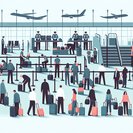
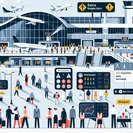
A New-Year strike would paralyze domestic and international operations at the height of Brazil’s summer holiday season. São Paulo/Guarulhos alone expects almost two million passengers between Christmas and 2 January; travel-management companies estimate that even a 24-hour stoppage could strand 300 000 travelers and create a cascading backlog well into the first business week of January.
Corporate mobility managers are activating contingency plans: rerouting staff via foreign carriers with non-Brazilian crews, booking flexible tickets through neighboring hubs and budgeting for extra accommodation and per-diem costs. Employers should also review duty-of-care procedures to ensure stranded employees have access to assistance hotlines and medical coverage.
The Labour Ministry is mediating but has so far refrained from imposing minimum-service requirements. Observers note that previous aeronaut strikes were averted at the eleventh hour, yet the union’s hardening tone suggests concessions will be needed to keep planes flying into 2026.
SNA is demanding inflation-plus pay rises and tighter rostering rules, arguing that record passenger volumes and higher ticket prices have not translated into better working conditions. Airlines represented by the National Airline Syndicate (Snea) counter that fuel-price spikes and a weak real have kept margins razor-thin and that aggressive wage hikes would jeopardize fleet-expansion plans.
Travelers worried that strike-induced rerouting might force unexpected transits or layovers can turn to VisaHQ for rapid visa checks and processing support. The company’s online platform (https://www.visahq.com/brazil/) lets users verify entry requirements for Brazil and neighboring countries in minutes and arrange emergency documentation so disrupted itineraries stay on track.

A New-Year strike would paralyze domestic and international operations at the height of Brazil’s summer holiday season. São Paulo/Guarulhos alone expects almost two million passengers between Christmas and 2 January; travel-management companies estimate that even a 24-hour stoppage could strand 300 000 travelers and create a cascading backlog well into the first business week of January.
Corporate mobility managers are activating contingency plans: rerouting staff via foreign carriers with non-Brazilian crews, booking flexible tickets through neighboring hubs and budgeting for extra accommodation and per-diem costs. Employers should also review duty-of-care procedures to ensure stranded employees have access to assistance hotlines and medical coverage.
The Labour Ministry is mediating but has so far refrained from imposing minimum-service requirements. Observers note that previous aeronaut strikes were averted at the eleventh hour, yet the union’s hardening tone suggests concessions will be needed to keep planes flying into 2026.