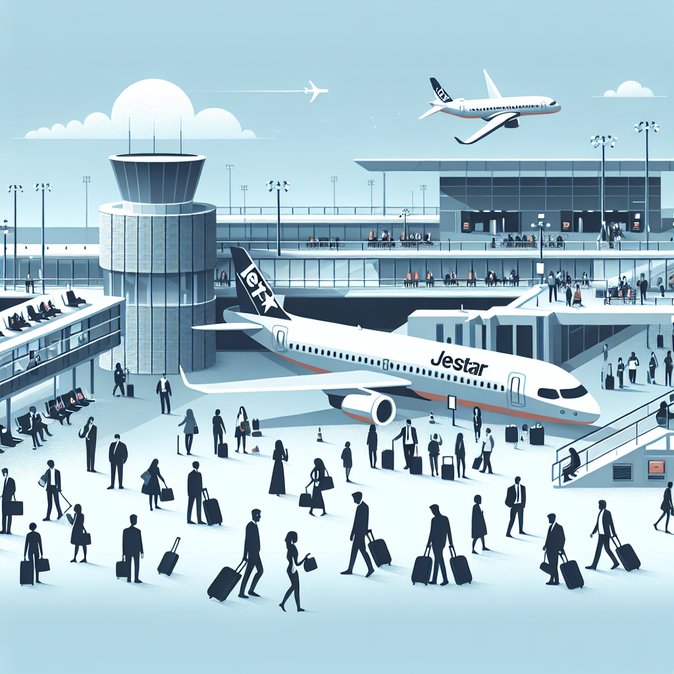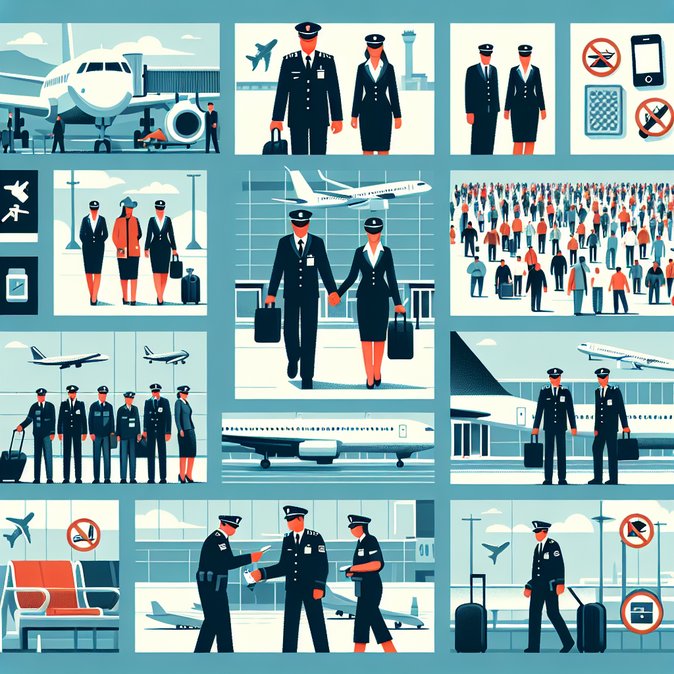
The Australian Federal Police (AFP) has launched an intensive aviation security operation to handle what is projected to be the busiest December–January travel season on record. More than 23.4 million domestic and international passengers are expected to move through nine AFP-designated airports over the Christmas–New-Year peak. Acting Aviation Commander Josh Sinclair-Wadham confirmed that more than 500 uniformed officers, supported by canine units and short-barrel rifle teams, will carry out high-visibility patrols in terminals, forecourts and air-side zones.
The AFP says it has already logged over 130,000 proactive policing hours in 2025—a 28 per cent jump on the previous year—and responded to more than 21,000 aviation-related incidents ranging from unruly behaviour to narcotics seizures. The new surge aims to deter disruptive conduct, speed up passenger flows and reassure airlines that capacity growth will not outstrip security resources. Business travellers—the first to feel the pain when delays cascade—stand to benefit from reduced queue times and a stronger security posture that lowers the risk of flight cancellations.
For travellers still finalising their paperwork, digital platforms like VisaHQ can streamline visa applications, track status updates in real time and flag any missing documentation—reducing the likelihood of last-minute airport surprises. Corporations can direct employees to VisaHQ’s Australia portal (https://www.visahq.com/australia/) for consolidated visa requirements and 24/7 support, ensuring that travel plans remain on schedule despite the holiday crunch.
![AFP steps up high-visibility patrols at Australia’s busiest airports as record holiday traffic surges]()
Airports have asked companies to remind staff about allowable carry-on items and alcohol limits, noting that 1,160 people have already been charged with 1,364 offences at terminals in 2025. The AFP’s data-driven deployment model will concentrate patrols at choke points during peak departure waves, mirroring the ‘holiday surge’ strategy used in major U.S. hubs. Corporate travel managers are advised to build extra dwell time into itineraries between now and late January, especially for fly-in-fly-out (FIFO) rotations.
Beyond the immediate season, the operation is a test bed for Australia’s longer-term goal of integrating policing, customs and biosecurity checks into a single “one-stop” passenger clearance. Lessons learned about crowd dynamics and technology gaps—such as the need for more e-gates—will feed into the federal government’s 2030 Seamless Borders blueprint. Transport analysts say the exercise also helps justify requests for additional budget allocations in the May 2026 federal budget.
For multinationals, the message is clear: Australia’s borders remain open and safe, but compliance expectations are rising. Companies should brief travelling staff on zero-tolerance policies for intoxication, weapons and abusive behaviour; breaches could trigger on-the-spot fines, travel-ban orders or even visa cancellations for foreign assignees.
The AFP says it has already logged over 130,000 proactive policing hours in 2025—a 28 per cent jump on the previous year—and responded to more than 21,000 aviation-related incidents ranging from unruly behaviour to narcotics seizures. The new surge aims to deter disruptive conduct, speed up passenger flows and reassure airlines that capacity growth will not outstrip security resources. Business travellers—the first to feel the pain when delays cascade—stand to benefit from reduced queue times and a stronger security posture that lowers the risk of flight cancellations.
For travellers still finalising their paperwork, digital platforms like VisaHQ can streamline visa applications, track status updates in real time and flag any missing documentation—reducing the likelihood of last-minute airport surprises. Corporations can direct employees to VisaHQ’s Australia portal (https://www.visahq.com/australia/) for consolidated visa requirements and 24/7 support, ensuring that travel plans remain on schedule despite the holiday crunch.
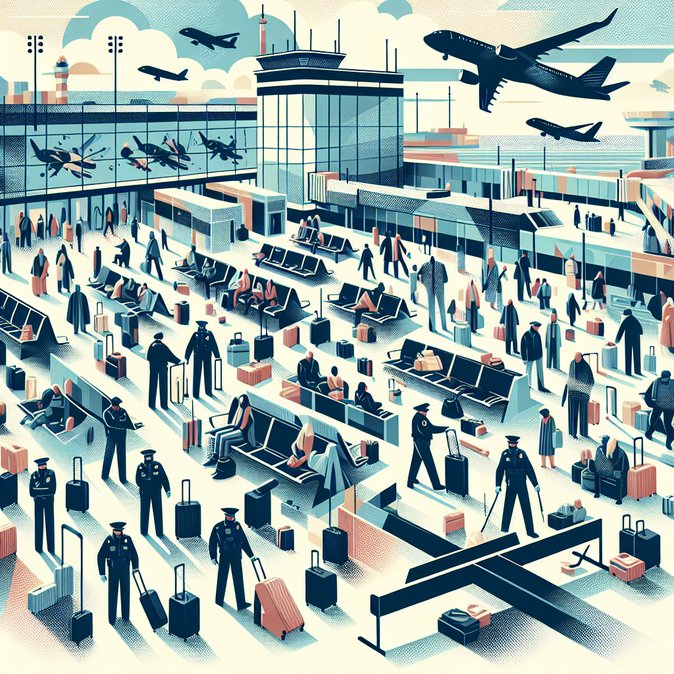
Airports have asked companies to remind staff about allowable carry-on items and alcohol limits, noting that 1,160 people have already been charged with 1,364 offences at terminals in 2025. The AFP’s data-driven deployment model will concentrate patrols at choke points during peak departure waves, mirroring the ‘holiday surge’ strategy used in major U.S. hubs. Corporate travel managers are advised to build extra dwell time into itineraries between now and late January, especially for fly-in-fly-out (FIFO) rotations.
Beyond the immediate season, the operation is a test bed for Australia’s longer-term goal of integrating policing, customs and biosecurity checks into a single “one-stop” passenger clearance. Lessons learned about crowd dynamics and technology gaps—such as the need for more e-gates—will feed into the federal government’s 2030 Seamless Borders blueprint. Transport analysts say the exercise also helps justify requests for additional budget allocations in the May 2026 federal budget.
For multinationals, the message is clear: Australia’s borders remain open and safe, but compliance expectations are rising. Companies should brief travelling staff on zero-tolerance policies for intoxication, weapons and abusive behaviour; breaches could trigger on-the-spot fines, travel-ban orders or even visa cancellations for foreign assignees.