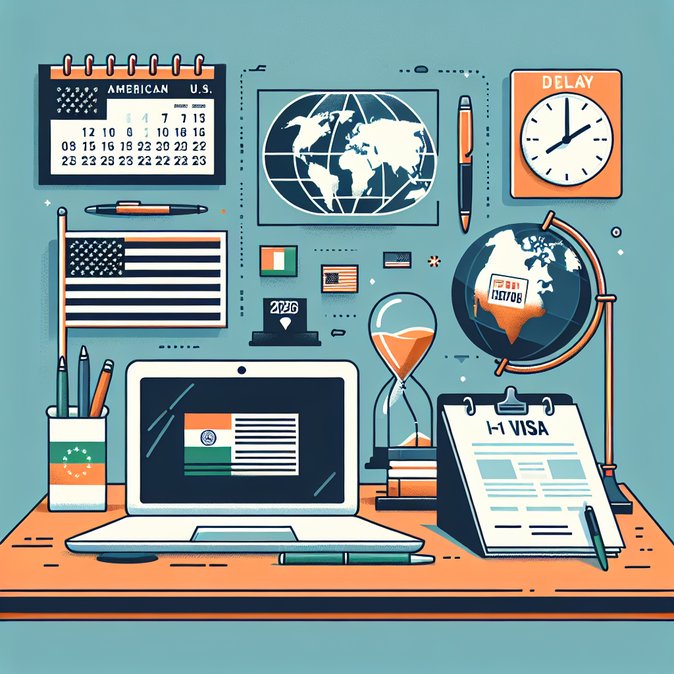
In New Delhi, India’s Ministry of External Affairs publicly confirmed on December 26 that it has lodged a formal protest with U.S. diplomats regarding a sudden wave of H-1B and other non-immigrant visa interview cancellations between December 15 and 26 . The disruptions coincided with a three-day closure of U.S. missions in India under a Presidential Executive Order granting federal employees additional holiday leave.
Thousands of Indian tech workers and students saw appointments pushed into late 2026, jeopardising start dates and family reunifications. The backlog compounds anxieties created by upcoming wage-weighted H-1B rules and heightened social-media vetting. Indian officials said “active discussions” with Washington are under way to secure extra staffing and interview slots.
![India Presses U.S. Over Holiday-Period H-1B Appointment Cancellations]()
For applicants scrambling to secure new dates, expert facilitators like VisaHQ can streamline the ordeal. Using its dedicated India-to-U.S. portal (https://www.visahq.com/united-states/), VisaHQ monitors slot availability, assembles the correct forms, and offers guidance on alternative consulates or visa classes—helping both travelers and employers navigate sudden disruptions without lost time.
For U.S. employers, the episode underscores the fragility of supply chains for global talent. Companies should identify critical candidates stuck in limbo, explore third-country processing (now limited by separate residency-rules) and consider remote onboarding where possible. Alternative classifications such as L-1 or O-1 may offer faster paths but require careful eligibility analysis.
The State Department said enhanced vetting introduced December 15 is meant “to ensure that no applicant poses a threat,” but did not explain why pre-scheduled slots were cancelled en masse. Indian IT-industry groups are weighing a request for premium-processing surcharges to fund overtime staffing at U.S. posts.
Thousands of Indian tech workers and students saw appointments pushed into late 2026, jeopardising start dates and family reunifications. The backlog compounds anxieties created by upcoming wage-weighted H-1B rules and heightened social-media vetting. Indian officials said “active discussions” with Washington are under way to secure extra staffing and interview slots.

For applicants scrambling to secure new dates, expert facilitators like VisaHQ can streamline the ordeal. Using its dedicated India-to-U.S. portal (https://www.visahq.com/united-states/), VisaHQ monitors slot availability, assembles the correct forms, and offers guidance on alternative consulates or visa classes—helping both travelers and employers navigate sudden disruptions without lost time.
For U.S. employers, the episode underscores the fragility of supply chains for global talent. Companies should identify critical candidates stuck in limbo, explore third-country processing (now limited by separate residency-rules) and consider remote onboarding where possible. Alternative classifications such as L-1 or O-1 may offer faster paths but require careful eligibility analysis.
The State Department said enhanced vetting introduced December 15 is meant “to ensure that no applicant poses a threat,” but did not explain why pre-scheduled slots were cancelled en masse. Indian IT-industry groups are weighing a request for premium-processing surcharges to fund overtime staffing at U.S. posts.