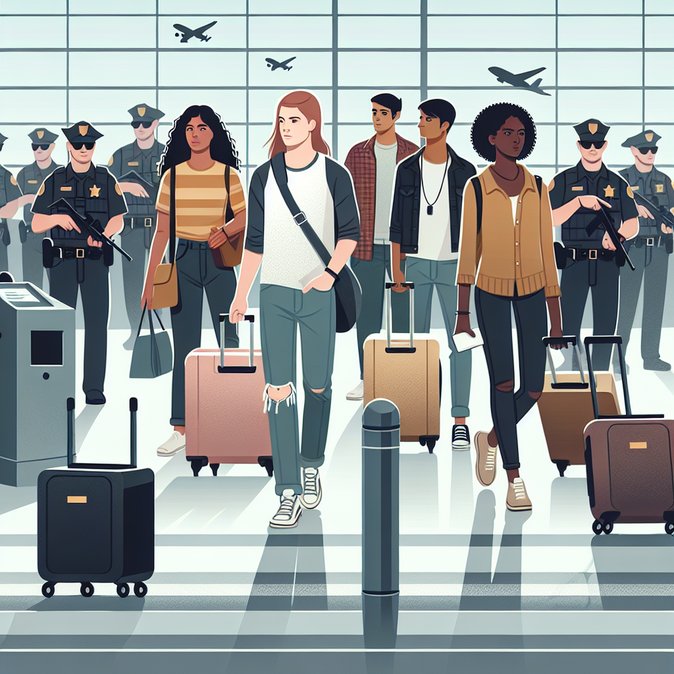
Australia’s Department of Foreign Affairs and Trade (DFAT) has upgraded its Smartraveller advice for Turkey to “exercise a high degree of caution” after Turkish police arrested scores of suspected Islamic State militants in nationwide raids on Christmas Day. The advisory highlights an elevated threat of attacks on tourist sites, public transport and New Year celebrations, urging Australians to avoid large gatherings and maintain a low profile.
Turkish authorities conducted coordinated operations across 124 locations, detaining individuals alleged to be plotting holiday-period assaults. The arrests follow recent US strikes against IS targets in Syria and Nigeria, which intelligence agencies fear may prompt reprisals against Western interests.
Turkey is a popular stop-over for Australians en route to Europe; more than 120,000 Australians visited in 2025, many on business-class fares that route through Istanbul’s growing hub airport. Tour operators report a spike in customer calls since the alert, with some requesting itinerary changes to bypass Istanbul or reduce layover times.
![Turkey Terror Raids Trigger DFAT Travel Alert for Australians]()
For Australians who decide to proceed with their trips despite the updated security advice, VisaHQ can help streamline the process of securing Turkish e-Visas and other travel documents. The online platform (https://www.visahq.com/australia/) offers step-by-step guidance, real-time status tracking and customer support, making it easier to adjust plans quickly if itineraries change at short notice.
Travel insurers generally honour DFAT level-changes made after a policy is purchased. Corporations with staff in Turkey should review duty-of-care protocols, ensure travellers are enrolled in tracking apps and confirm that hotels meet modern security standards (e.g. vehicle screening and baggage x-ray at lobby entrances).
DFAT will reassess the advice after 1 January 2026 once holiday-season security operations subside, but warns that additional updates may follow if credible threats emerge.
Turkish authorities conducted coordinated operations across 124 locations, detaining individuals alleged to be plotting holiday-period assaults. The arrests follow recent US strikes against IS targets in Syria and Nigeria, which intelligence agencies fear may prompt reprisals against Western interests.
Turkey is a popular stop-over for Australians en route to Europe; more than 120,000 Australians visited in 2025, many on business-class fares that route through Istanbul’s growing hub airport. Tour operators report a spike in customer calls since the alert, with some requesting itinerary changes to bypass Istanbul or reduce layover times.

For Australians who decide to proceed with their trips despite the updated security advice, VisaHQ can help streamline the process of securing Turkish e-Visas and other travel documents. The online platform (https://www.visahq.com/australia/) offers step-by-step guidance, real-time status tracking and customer support, making it easier to adjust plans quickly if itineraries change at short notice.
Travel insurers generally honour DFAT level-changes made after a policy is purchased. Corporations with staff in Turkey should review duty-of-care protocols, ensure travellers are enrolled in tracking apps and confirm that hotels meet modern security standards (e.g. vehicle screening and baggage x-ray at lobby entrances).
DFAT will reassess the advice after 1 January 2026 once holiday-season security operations subside, but warns that additional updates may follow if credible threats emerge.