
A fresh seat-capacity ranking from aviation data firm OAG confirms that Dubai International Airport (DXB) handled 5.5 million scheduled seats in December—nudging out Atlanta’s Hartsfield-Jackson and Tokyo Haneda for the top spot. Capacity rose 4 % year-on-year, underpinned by Emirates and flydubai’s winter schedule expansion.
For corporate planners the headline masks two practical realities. First, DXB’s slot congestion is back: the airport used 96 % of its declared hourly runway capacity on 18 separate days this month. Second, demand is increasingly long-haul. Emirates’ new Montreal, Osaka and Bogotá routes pushed North-South connectivity, meaning transfer passengers are clustering in the A-Concourse during the late-night bank.
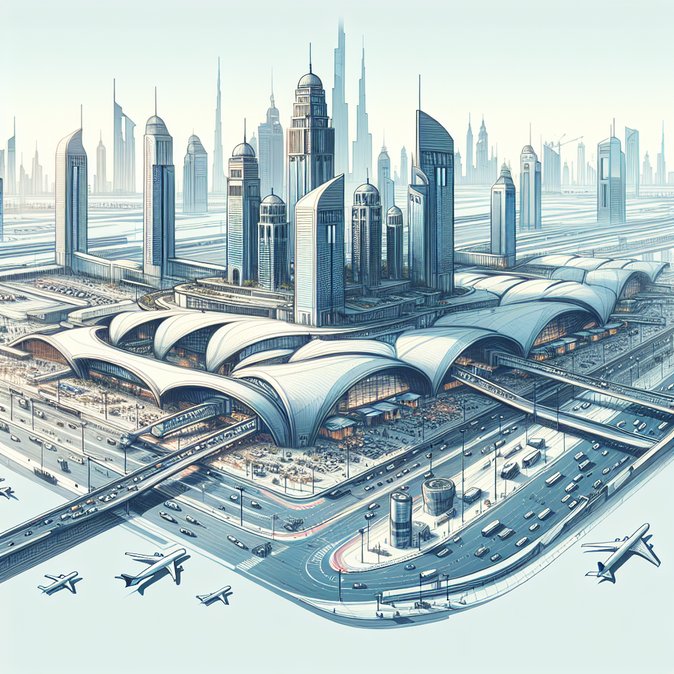
![Dubai International Retains Title as World’s Busiest Airport in December 2025]()
Business travellers juggling these complex routings should also ensure their travel documents are in order. VisaHQ’s UAE portal (https://www.visahq.com/united-arab-emirates/) streamlines the e-visa and passport-validation process, letting mobility teams track applications in one dashboard and receive real-time status alerts—handy insurance when last-minute itinerary changes push connections through DXB.
The airport operator is adding remote-stand capacity and has re-opened the erstwhile COVID-era Concourse D lounge to relieve pressure, but mobility managers should still warn travellers to allow the full 90 minutes for transits and to pre-book fast-track services during peak waves.
DXB’s continued dominance cements the UAE’s status as a global hub—useful leverage when negotiating corporate deals with carriers—but it also underscores the need for meticulous itinerary buffers, especially during the ongoing weather watch.
For corporate planners the headline masks two practical realities. First, DXB’s slot congestion is back: the airport used 96 % of its declared hourly runway capacity on 18 separate days this month. Second, demand is increasingly long-haul. Emirates’ new Montreal, Osaka and Bogotá routes pushed North-South connectivity, meaning transfer passengers are clustering in the A-Concourse during the late-night bank.
Business travellers juggling these complex routings should also ensure their travel documents are in order. VisaHQ’s UAE portal (https://www.visahq.com/united-arab-emirates/) streamlines the e-visa and passport-validation process, letting mobility teams track applications in one dashboard and receive real-time status alerts—handy insurance when last-minute itinerary changes push connections through DXB.
The airport operator is adding remote-stand capacity and has re-opened the erstwhile COVID-era Concourse D lounge to relieve pressure, but mobility managers should still warn travellers to allow the full 90 minutes for transits and to pre-book fast-track services during peak waves.
DXB’s continued dominance cements the UAE’s status as a global hub—useful leverage when negotiating corporate deals with carriers—but it also underscores the need for meticulous itinerary buffers, especially during the ongoing weather watch.