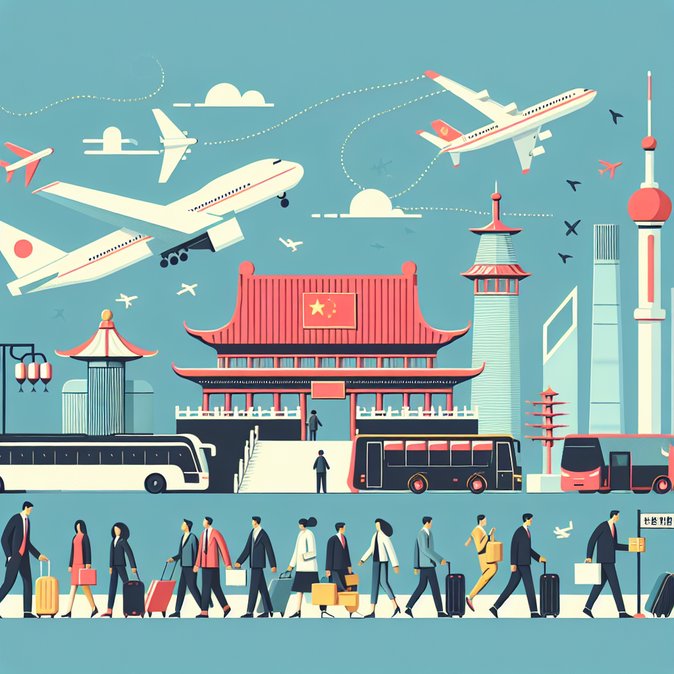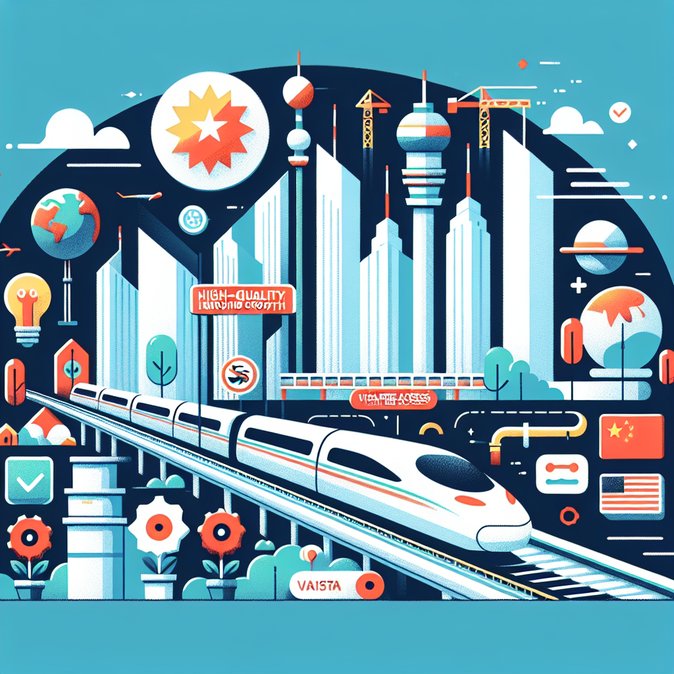
With just days left in 2025, Beijing has unveiled a sweeping re-imagining of inbound travel that goes far beyond post-pandemic reopening. The latest initiatives—adding more European and Asian countries to its visa-free list, integrating high-speed rail links into Southeast Asia and championing “slow, sustainable” journeys—point to a strategic shift from volume to value.
Officials frame the policy as part of a broader “Pan-Asian Tourism Corridor,” where travellers can board a train in Yunnan and reach Vientiane or Bangkok without touching a check-in desk. By blending seamless rail with 30-day visa waivers, China hopes to capture green-minded millennials and business delegates seeking multi-country itineraries under one carbon-light umbrella.
![‘High-quality’ tourism era: China’s 2025 visa-free expansion reshapes regional mobility]()
For travelers unsure whether they qualify for the new waiver or need a specific entry permit—say for business stays exceeding 30 days—VisaHQ offers a straightforward solution. Its dedicated China portal (https://www.visahq.com/china/) tracks real-time rule changes, pre-screens passports for eligibility, and arranges courier pickup for any remaining paperwork, letting visitors focus on planning those rail-linked adventures instead of deciphering consulate forms.
Major hubs already see the impact: Beijing and Shanghai report double-digit growth in foreign arrivals, while second-tier cities from Guilin to Xining are marketing authentic cultural experiences rather than mass sightseeing. The push dovetails with China’s National Park rollout and AR-enabled “Smart Tourism” services that cut queue times and personalise itineraries via facial-recognition ticketing.
For multinationals, the message is clear: China’s market is again wide open, but expectations are higher. Incentives now favour conferences in eco-certified venues, and local partners will expect ESG alignment. Mobility managers should review sustainability clauses in travel RFPs and consider rail-first routings for intra-Asian trips that previously defaulted to short-haul flights.
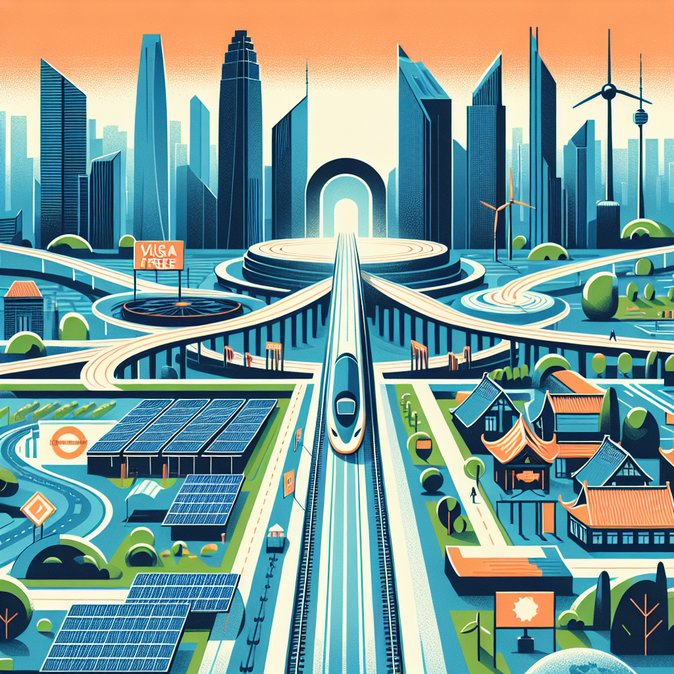
Officials frame the policy as part of a broader “Pan-Asian Tourism Corridor,” where travellers can board a train in Yunnan and reach Vientiane or Bangkok without touching a check-in desk. By blending seamless rail with 30-day visa waivers, China hopes to capture green-minded millennials and business delegates seeking multi-country itineraries under one carbon-light umbrella.
For travelers unsure whether they qualify for the new waiver or need a specific entry permit—say for business stays exceeding 30 days—VisaHQ offers a straightforward solution. Its dedicated China portal (https://www.visahq.com/china/) tracks real-time rule changes, pre-screens passports for eligibility, and arranges courier pickup for any remaining paperwork, letting visitors focus on planning those rail-linked adventures instead of deciphering consulate forms.
Major hubs already see the impact: Beijing and Shanghai report double-digit growth in foreign arrivals, while second-tier cities from Guilin to Xining are marketing authentic cultural experiences rather than mass sightseeing. The push dovetails with China’s National Park rollout and AR-enabled “Smart Tourism” services that cut queue times and personalise itineraries via facial-recognition ticketing.
For multinationals, the message is clear: China’s market is again wide open, but expectations are higher. Incentives now favour conferences in eco-certified venues, and local partners will expect ESG alignment. Mobility managers should review sustainability clauses in travel RFPs and consider rail-first routings for intra-Asian trips that previously defaulted to short-haul flights.