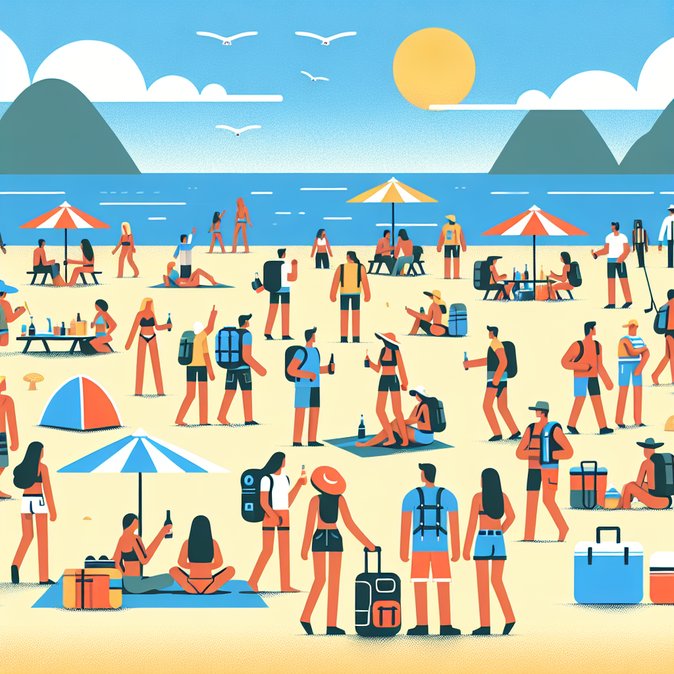
Sydney’s eastern suburbs saw a dramatic change of scene on Christmas Day after Waverley Council’s crackdown on last year’s unruly ‘Backpacker Christmas’ at Bronte Beach pushed revellers south to Coogee. Local media estimated several thousand working-holiday makers and expatriates gathered on the sand, dressed in Santa hats and national flags, turning the foreshore into an impromptu international party hub.
Randwick Council, forewarned by social-media chatter, deployed extra rangers, police, bins and portable toilets. Lifeguards issued repeated warnings about alcohol-related drownings, while patrols enforced bans on glass and large alcohol quantities. Despite some reports of public urination and long restroom queues, authorities said the majority behaved responsibly and no major arrests were made.
Before such holiday gatherings ever reach the sand, though, visitors must first secure the correct paperwork. VisaHQ’s Australia portal (https://www.visahq.com/australia/) streamlines applications for Working Holiday, tourist and other short-stay visas, offering step-by-step guidance, document checks and real-time status updates so travellers can spend less time on bureaucracy and more time enjoying Sydney’s beaches responsibly.
![Backpacker Christmas shifts south as thousands descend on Coogee Beach]()
The migration underscores an unintended consequence of targeted local restrictions: mobile traveller communities simply relocate, shifting crowd-control costs from one municipality to another. For businesses that employ working-holiday visa holders, the event is a reminder to reinforce safety briefings before the public-holiday period, particularly around alcohol consumption and beach hazards.
Tourism operators also watched closely; the lively scenes provide social-media promotion for Sydney’s beach culture but risk reputational damage if incidents occur. Waverley, which spent AU$250,000 on protective fencing and security at Bronte, says it will consult neighbouring councils on a coordinated approach in 2026.
From a mobility-policy standpoint, local councils may push for state-level support to manage seasonal influxes of temporary migrants whose presence boosts hospitality revenue yet strains public amenities on peak days.
Randwick Council, forewarned by social-media chatter, deployed extra rangers, police, bins and portable toilets. Lifeguards issued repeated warnings about alcohol-related drownings, while patrols enforced bans on glass and large alcohol quantities. Despite some reports of public urination and long restroom queues, authorities said the majority behaved responsibly and no major arrests were made.
Before such holiday gatherings ever reach the sand, though, visitors must first secure the correct paperwork. VisaHQ’s Australia portal (https://www.visahq.com/australia/) streamlines applications for Working Holiday, tourist and other short-stay visas, offering step-by-step guidance, document checks and real-time status updates so travellers can spend less time on bureaucracy and more time enjoying Sydney’s beaches responsibly.
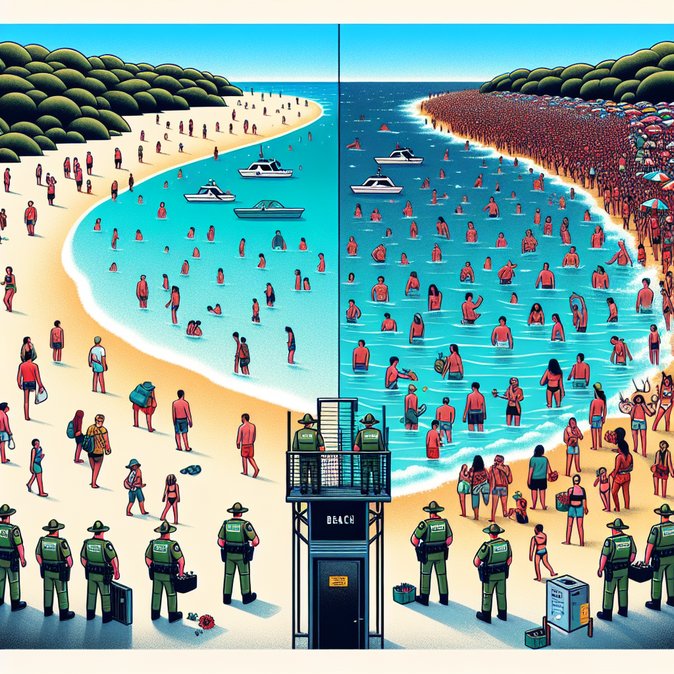
The migration underscores an unintended consequence of targeted local restrictions: mobile traveller communities simply relocate, shifting crowd-control costs from one municipality to another. For businesses that employ working-holiday visa holders, the event is a reminder to reinforce safety briefings before the public-holiday period, particularly around alcohol consumption and beach hazards.
Tourism operators also watched closely; the lively scenes provide social-media promotion for Sydney’s beach culture but risk reputational damage if incidents occur. Waverley, which spent AU$250,000 on protective fencing and security at Bronte, says it will consult neighbouring councils on a coordinated approach in 2026.
From a mobility-policy standpoint, local councils may push for state-level support to manage seasonal influxes of temporary migrants whose presence boosts hospitality revenue yet strains public amenities on peak days.