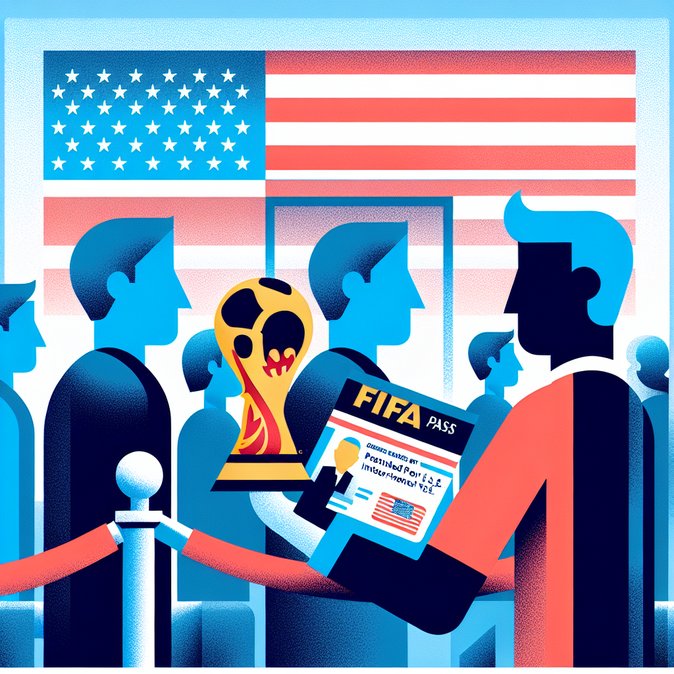
The U.S. State Department has opened a special tranche of visa-interview appointments—dubbed the “FIFA Pass”—for residents of Spain and six other European nations, Travel and Tour World reported on 24 December. Ticket-holding fans can now secure a B-1/B-2 interview within six-to-eight weeks instead of the typical 150-plus-day wait in Madrid or Barcelona.
How the programme works
• Applicants must upload proof of a purchased 2026 World Cup ticket to access the fast-track calendar.
• All standard documentary, fee and interview requirements remain; the pass shortens scheduling time but does not guarantee visa issuance.
• The window is “limited-time” and will close once country quotas are reached, the State Department said.
Business-mobility impact
Spanish corporates sponsoring hospitality, marketing or project teams for the U.S. tournament can leverage the FIFA Pass to move staff more quickly, avoiding the bottlenecks that frustrated travellers during previous mega-events. Mobility managers should coordinate early, as the six-to-eight-week timeline will shrink the usual planning cycle.
![U.S. Launches ‘FIFA Pass’ Priority Visa Interviews for Spanish Fans Heading to 2026 World Cup]()
For applicants who would rather not navigate the paperwork alone, VisaHQ can step in: its Spain-based service guides travellers through the DS-160, checks supporting documents and books the earliest possible U.S. embassy appointments—including those made available via the FIFA Pass. Full details can be found at https://www.visahq.com/spain/
Caveats for dual-purpose travel
Holders planning work-related activity (e.g., content production or paid endorsements) still need the appropriate U.S. work visa; misuse of the FIFA Pass could jeopardise future travel eligibility.
Competitive context
Spain joins France, Italy, Germany, Portugal and the UK on the priority list, suggesting Washington’s bid to smooth travel from major football markets and avoid diplomatic pressure closer to 2026.
Next steps
HR teams should brief employees on appointment-slot availability and ensure tickets are purchased before submitting DS-160 forms. Companies with high travel volumes may consider block-booking.
How the programme works
• Applicants must upload proof of a purchased 2026 World Cup ticket to access the fast-track calendar.
• All standard documentary, fee and interview requirements remain; the pass shortens scheduling time but does not guarantee visa issuance.
• The window is “limited-time” and will close once country quotas are reached, the State Department said.
Business-mobility impact
Spanish corporates sponsoring hospitality, marketing or project teams for the U.S. tournament can leverage the FIFA Pass to move staff more quickly, avoiding the bottlenecks that frustrated travellers during previous mega-events. Mobility managers should coordinate early, as the six-to-eight-week timeline will shrink the usual planning cycle.

For applicants who would rather not navigate the paperwork alone, VisaHQ can step in: its Spain-based service guides travellers through the DS-160, checks supporting documents and books the earliest possible U.S. embassy appointments—including those made available via the FIFA Pass. Full details can be found at https://www.visahq.com/spain/
Caveats for dual-purpose travel
Holders planning work-related activity (e.g., content production or paid endorsements) still need the appropriate U.S. work visa; misuse of the FIFA Pass could jeopardise future travel eligibility.
Competitive context
Spain joins France, Italy, Germany, Portugal and the UK on the priority list, suggesting Washington’s bid to smooth travel from major football markets and avoid diplomatic pressure closer to 2026.
Next steps
HR teams should brief employees on appointment-slot availability and ensure tickets are purchased before submitting DS-160 forms. Companies with high travel volumes may consider block-booking.