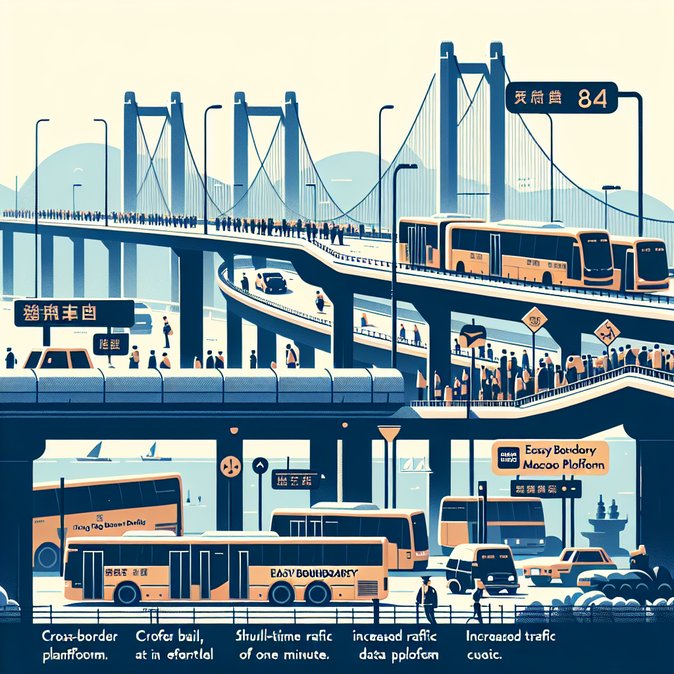
Hong Kong’s Immigration Department expects a record-breaking 11.52 million passenger movements at the city’s airports, ferry terminals and land checkpoints between December 24-28 and December 31-January 4. Roughly 9.65 million of those journeys will occur at the three busiest land crossings—Lo Wu, Lok Ma Chau Spur Line/Futian and Shenzhen Bay—where daily volumes could top 225 000 passengers.
To cope with the surge, leave for frontline immigration officers has been cancelled, more than 700 automated e-Channels have been activated city-wide, and a joint command centre will coordinate real-time responses with Police, Customs and MTR staff. The age threshold allowing Hong Kong permanent-resident children to use e-Channels has been lowered from 11 to seven years, provided the child is at least 1.1 metres tall.
Businesses and individual travellers looking to stay ahead of potential congestion can leverage VisaHQ’s online platform to secure Chinese visas and travel permits well in advance; the service’s expedited processing, document review and status alerts, available at https://www.visahq.com/china/ simplify compliance and reduce last-minute surprises at Hong Kong’s land and air checkpoints.
![Hong Kong Projects 11.5 Million Cross-Border Trips During Christmas–New Year Peak]()
For corporate mobility managers, the projections underscore the importance of scheduling Mainland assignments around peak dates, building extra buffer time into itineraries and encouraging employees to use automated gates where eligible. Travellers transiting Hong Kong to other Chinese cities should factor in possible queues at Lok Ma Chau Spur Line before boarding high-speed rail services into Guangdong.
From an economic standpoint, the traffic surge reflects the rebound of the Greater Bay Area as an integrated labour and consumer market. Retailers on both sides of the boundary are preparing extended hours and special promotions to capture cross-border spending during the festive period.
Immigration officials say data gathered from this peak season will feed into longer-term planning for Lunar New Year—traditionally Hong Kong’s busiest travel window—when passenger volumes could exceed 13 million if current trends continue.
To cope with the surge, leave for frontline immigration officers has been cancelled, more than 700 automated e-Channels have been activated city-wide, and a joint command centre will coordinate real-time responses with Police, Customs and MTR staff. The age threshold allowing Hong Kong permanent-resident children to use e-Channels has been lowered from 11 to seven years, provided the child is at least 1.1 metres tall.
Businesses and individual travellers looking to stay ahead of potential congestion can leverage VisaHQ’s online platform to secure Chinese visas and travel permits well in advance; the service’s expedited processing, document review and status alerts, available at https://www.visahq.com/china/ simplify compliance and reduce last-minute surprises at Hong Kong’s land and air checkpoints.

For corporate mobility managers, the projections underscore the importance of scheduling Mainland assignments around peak dates, building extra buffer time into itineraries and encouraging employees to use automated gates where eligible. Travellers transiting Hong Kong to other Chinese cities should factor in possible queues at Lok Ma Chau Spur Line before boarding high-speed rail services into Guangdong.
From an economic standpoint, the traffic surge reflects the rebound of the Greater Bay Area as an integrated labour and consumer market. Retailers on both sides of the boundary are preparing extended hours and special promotions to capture cross-border spending during the festive period.
Immigration officials say data gathered from this peak season will feed into longer-term planning for Lunar New Year—traditionally Hong Kong’s busiest travel window—when passenger volumes could exceed 13 million if current trends continue.