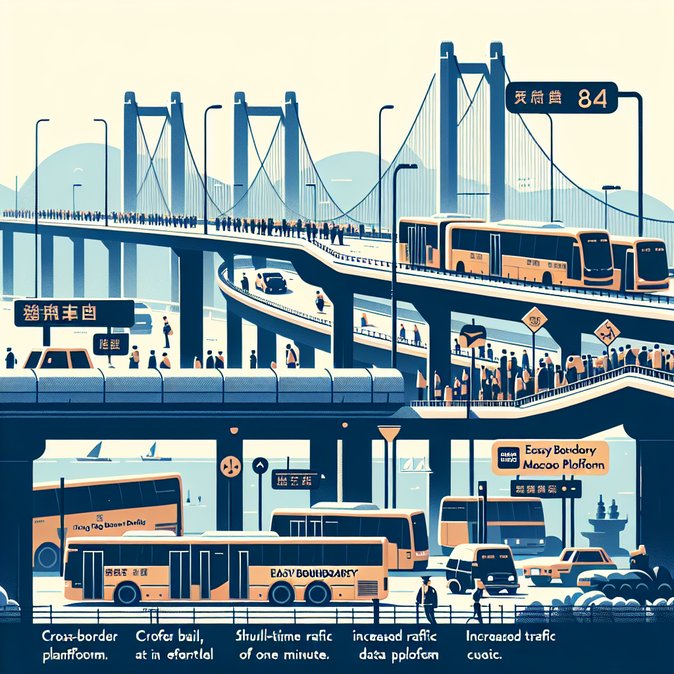
An interdepartmental working group led by Hong Kong’s Chief Secretary has released an extensive traffic and public-transport plan to keep holiday travellers moving between the city, Shenzhen and Macao from December 24-28. Shuttle-bus frequencies on the Hong Kong-Zhuhai-Macao Bridge (Gold Bus) will rise to one departure per minute during peaks, while the Lok Ma Chau–Huanggang ‘Yellow Bus’ will run every two minutes if required.
Cross-boundary coach quotas have been increased, and franchised “B-routes” linking urban districts to border points will run at higher-than-weekend levels. The MTR Corporation is adding trains on the East Rail Line to Lo Wu and Lok Ma Chau and will monitor crowd density in real time. Motorists have been warned that special traffic diversions could be imposed at Shenzhen Bay and Lok Ma Chau control points if congestion builds.
Passengers who still need to arrange entry permits before taking advantage of these enhanced transport links can turn to VisaHQ, which simplifies applications for China visas as well as documentation for Macao and other jurisdictions. The service offers step-by-step online guidance, document review and courier options, all accessible at https://www.visahq.com/china/ helping travellers avoid last-minute paperwork amid the holiday rush.
![Christmas Weekend Transport Plan Boosts Capacity at Hong Kong–Mainland Checkpoints]()
Travellers are advised to plan journeys outside peak hours, reserve coach tickets early and consult the Security Bureau’s “Easy Boundary” platform or the TD’s HKeMobility app for live checkpoint wait times. Corporations moving staff or goods across the boundary should share these resources with employees and logistics partners.
The operation illustrates how Hong Kong authorities now treat transport management as part of border facilitation strategy, integrating data from shuttle-bus operators, MTR, CCTV feeds and immigration clearance systems to make dynamic service adjustments.
Officials say lessons from the Christmas deployment will shape crowd-flow algorithms for the upcoming Lunar New Year rush, when daily passenger volumes typically climb another 20-30 percent.
Cross-boundary coach quotas have been increased, and franchised “B-routes” linking urban districts to border points will run at higher-than-weekend levels. The MTR Corporation is adding trains on the East Rail Line to Lo Wu and Lok Ma Chau and will monitor crowd density in real time. Motorists have been warned that special traffic diversions could be imposed at Shenzhen Bay and Lok Ma Chau control points if congestion builds.
Passengers who still need to arrange entry permits before taking advantage of these enhanced transport links can turn to VisaHQ, which simplifies applications for China visas as well as documentation for Macao and other jurisdictions. The service offers step-by-step online guidance, document review and courier options, all accessible at https://www.visahq.com/china/ helping travellers avoid last-minute paperwork amid the holiday rush.
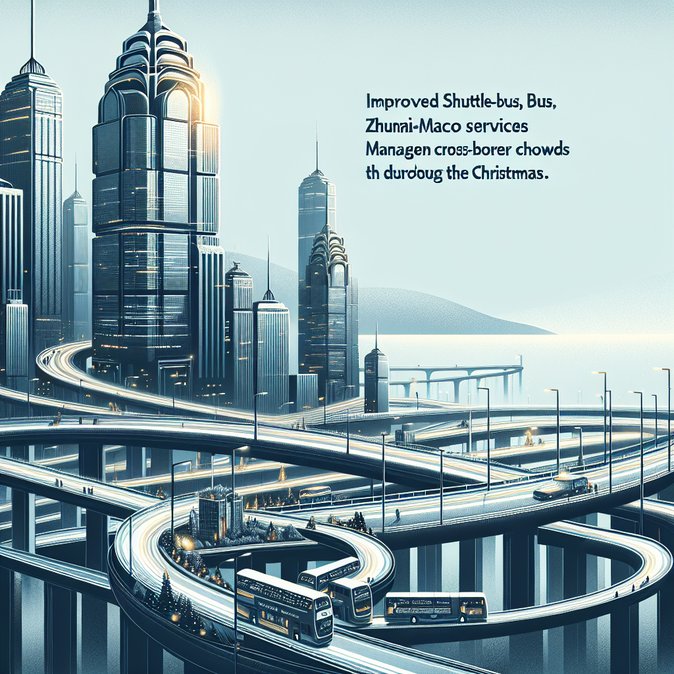
Travellers are advised to plan journeys outside peak hours, reserve coach tickets early and consult the Security Bureau’s “Easy Boundary” platform or the TD’s HKeMobility app for live checkpoint wait times. Corporations moving staff or goods across the boundary should share these resources with employees and logistics partners.
The operation illustrates how Hong Kong authorities now treat transport management as part of border facilitation strategy, integrating data from shuttle-bus operators, MTR, CCTV feeds and immigration clearance systems to make dynamic service adjustments.
Officials say lessons from the Christmas deployment will shape crowd-flow algorithms for the upcoming Lunar New Year rush, when daily passenger volumes typically climb another 20-30 percent.