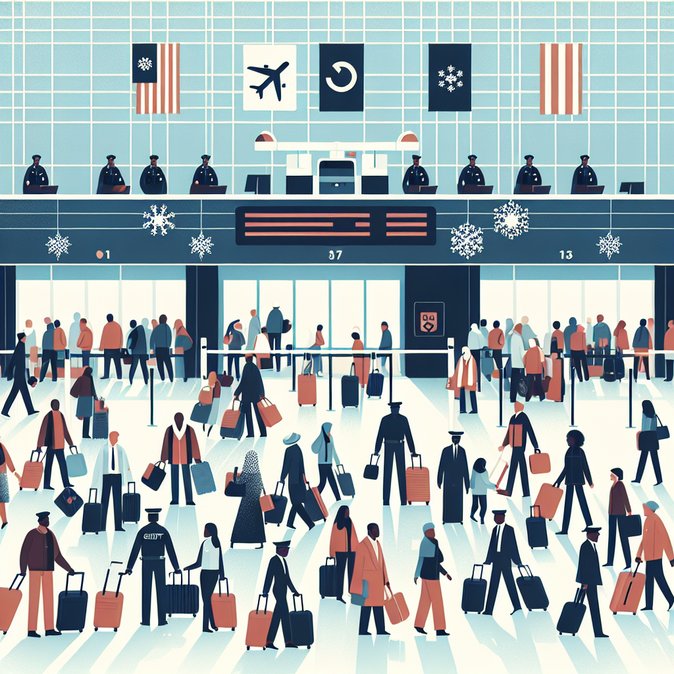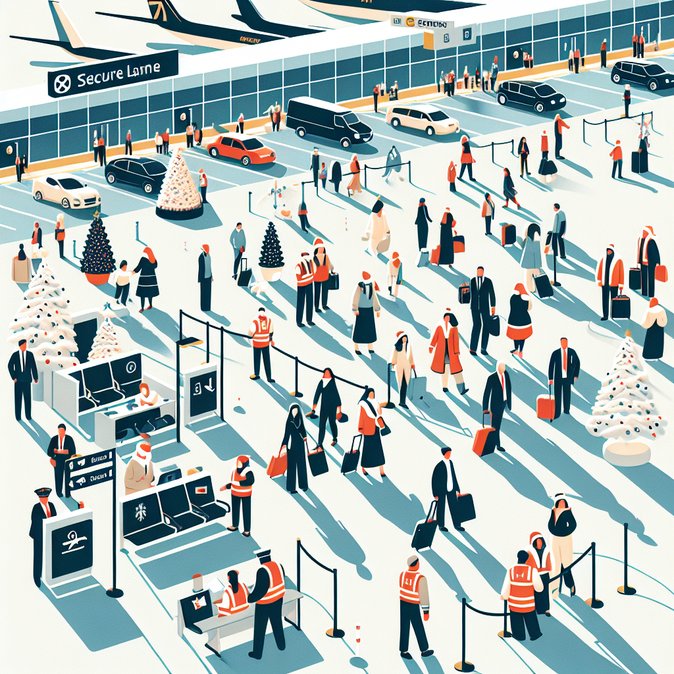
Tasmania’s gateway is bracing for its busiest Christmas on record, with Hobart Airport forecasting 160,000 passengers and more than 1,000 flight movements between 24 December and 5 January. Boxing Day alone will see 84 departures and arrivals, a 12 % jump on last year.
To cope, the airport has hired extra security screeners, reinstated volunteer ‘terminal navigators’ and even enlisted local violinist Charlie McCarthy to provide calming live music in the departures lounge. Chief Operating Officer Matt Cocker urged travellers to check in online and arrive early, warning that car-park capacity will be stretched at peak times.
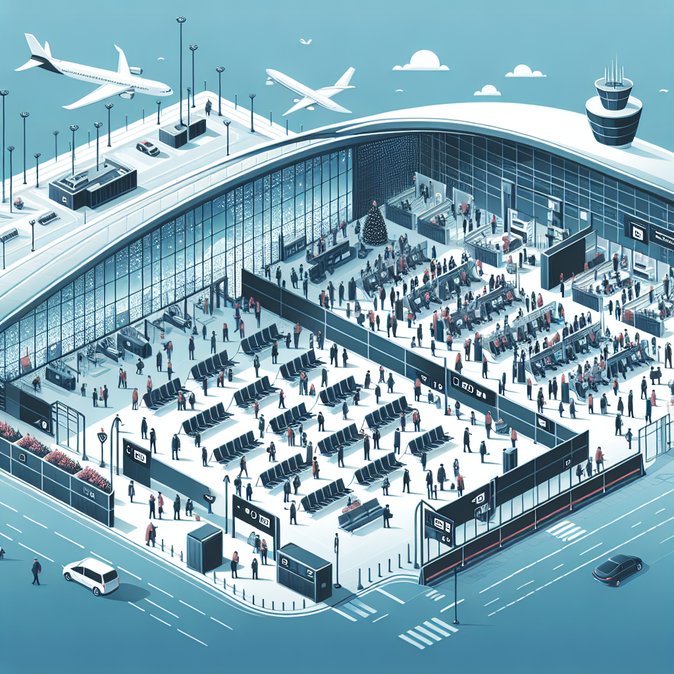
The surge coincides with completion of Stage 1 of the airport’s AU$200 million expansion programme, which has delivered a new centralised security hall, larger duty-free store and 500 additional seats. Construction will pause until mid-January before crews begin work on international-arrival baggage belts, expanded border-processing booths and two glass-walled jet bridges. The full upgrade is scheduled for mid-2027 and will lift the airport’s international capacity from three wide-body jets a day to six.
![Hobart Airport gears up for 160,000 festive passengers as $200 million upgrade hits first milestone]()
Travellers planning onward journeys beyond Australia—or international visitors arriving for Tasmania’s festivals—can organise any required visas quickly through VisaHQ. The online service (https://www.visahq.com/australia/) offers instant eligibility checks, streamlined applications and real-time tracking, helping passengers avoid documentation snags during the peak summer rush at Hobart Airport.
For mobility planners the message is that Tasmania is cementing its position as a conference and incentive-travel destination: Qantas and Virgin have already loaded extra holiday charters from Sydney and Brisbane, while Air New Zealand’s seasonal Auckland-Hobart route returns with a Boeing 787 in February.
Companies rotating fly-in-fly-out engineering teams to the state’s growing renewable-energy projects should revisit accommodation blocks and car-hire allocations during the festive window, when domestic leisure demand will dominate.
To cope, the airport has hired extra security screeners, reinstated volunteer ‘terminal navigators’ and even enlisted local violinist Charlie McCarthy to provide calming live music in the departures lounge. Chief Operating Officer Matt Cocker urged travellers to check in online and arrive early, warning that car-park capacity will be stretched at peak times.
The surge coincides with completion of Stage 1 of the airport’s AU$200 million expansion programme, which has delivered a new centralised security hall, larger duty-free store and 500 additional seats. Construction will pause until mid-January before crews begin work on international-arrival baggage belts, expanded border-processing booths and two glass-walled jet bridges. The full upgrade is scheduled for mid-2027 and will lift the airport’s international capacity from three wide-body jets a day to six.
Travellers planning onward journeys beyond Australia—or international visitors arriving for Tasmania’s festivals—can organise any required visas quickly through VisaHQ. The online service (https://www.visahq.com/australia/) offers instant eligibility checks, streamlined applications and real-time tracking, helping passengers avoid documentation snags during the peak summer rush at Hobart Airport.
For mobility planners the message is that Tasmania is cementing its position as a conference and incentive-travel destination: Qantas and Virgin have already loaded extra holiday charters from Sydney and Brisbane, while Air New Zealand’s seasonal Auckland-Hobart route returns with a Boeing 787 in February.
Companies rotating fly-in-fly-out engineering teams to the state’s growing renewable-energy projects should revisit accommodation blocks and car-hire allocations during the festive window, when domestic leisure demand will dominate.