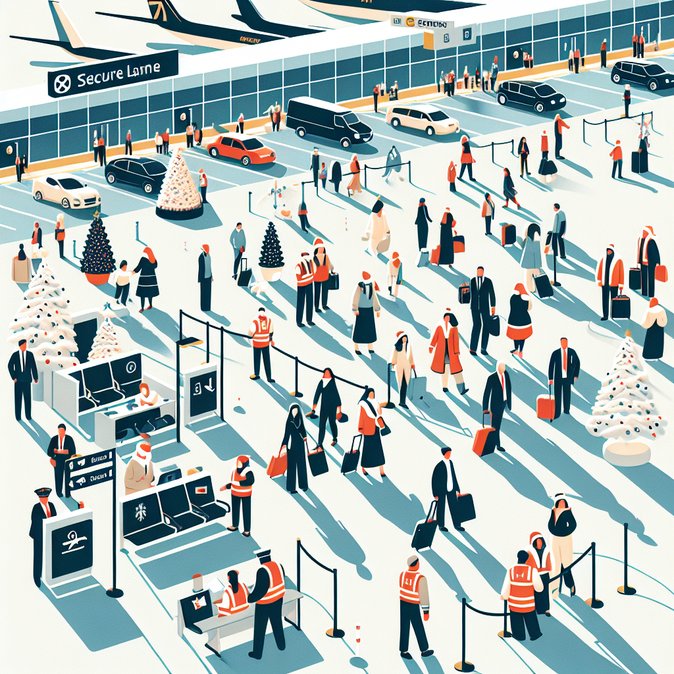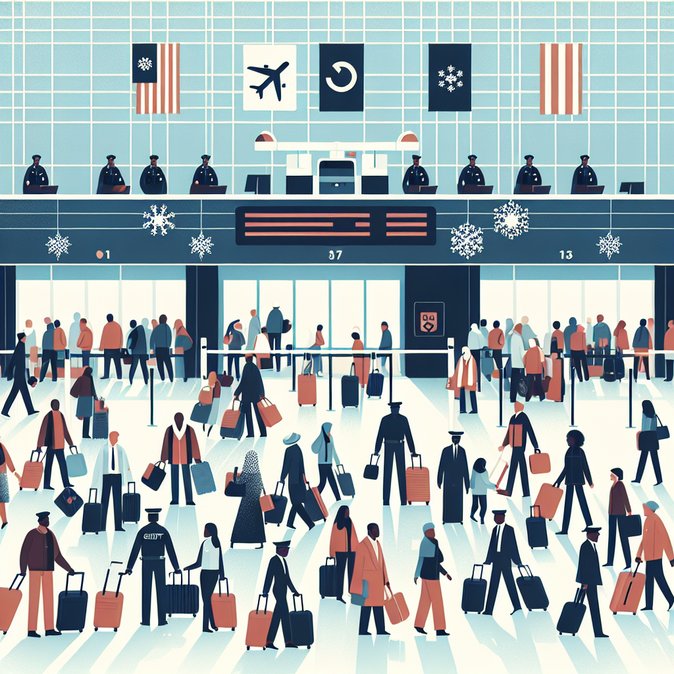
With Australia’s summer exodus peaking, the Australian Federal Police (AFP) and Australian Border Force (ABF) have launched a joint high-visibility operation across the country’s nine designated international airports. The agencies expect more than 23.4 million arriving and departing passengers over December–January, eclipsing pre-pandemic numbers and setting a new record for the Christmas–New Year window.
More than 500 uniformed AFP aviation officers have been redeployed to Sydney, Melbourne, Brisbane and Perth, while the ABF has increased SmartGate staffing and opened additional manual channels during peak banks. Acting Aviation Commander Josh Sinclair-Wadham said surge rosters would remain in place until at least 8 January to deter unruly behaviour, fast-track secondary screenings and keep inbound duty-of-care referrals moving.
Airports and airlines have welcomed the extra feet on the ground after a spate of alcohol-fuelled incidents and capacity crunches last summer. The Australian Airports Association urged passengers to arrive earlier, complete Digital Incoming Passenger Cards online and check liquids and powders rules to avoid secondary inspection queues.
![AFP and Border Force surge staff as Australia braces for record 23.4 million holiday travellers]()
Travellers who still need to secure an Australian visa—or simply want peace of mind that they have the correct documentation—can streamline the process through VisaHQ’s digital platform. The service provides step-by-step guidance, real-time status tracking and dedicated support for everything from tourist ETAs to complex work permits; full details are available at https://www.visahq.com/australia/
From a corporate-mobility standpoint, travel managers should anticipate longer kerb-to-gate times and factor in additional buffer when scheduling same-day connections or onward domestic hops. The ABF has reiterated that “fast-track” lines remain unavailable to most temporary visa holders except APEC Business-Travel-Card carriers, diplomats and airline crew.
Employers are being advised to monitor client-facing staff for fatigue and to remind travellers that abusive conduct towards aviation workers carries on-the-spot fines of up to AU$1,334 and potential flight bans under the Aviation Transport Security Regulations.
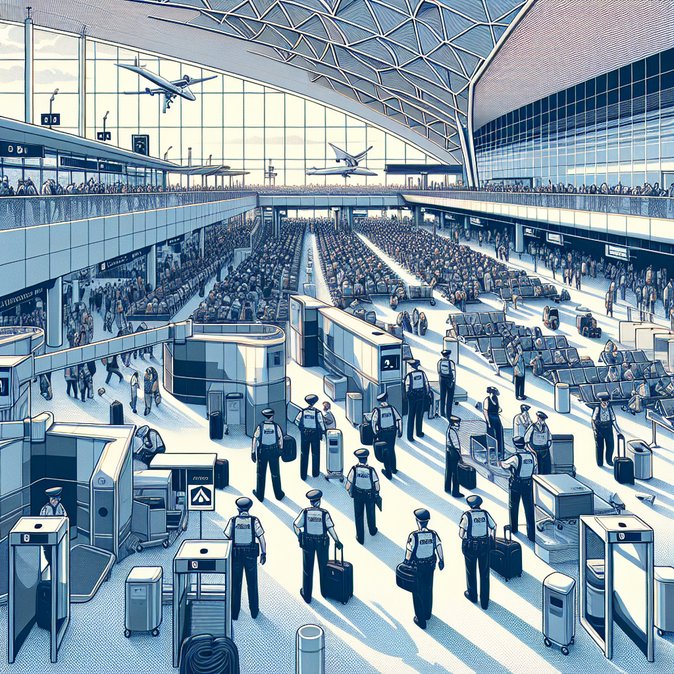
More than 500 uniformed AFP aviation officers have been redeployed to Sydney, Melbourne, Brisbane and Perth, while the ABF has increased SmartGate staffing and opened additional manual channels during peak banks. Acting Aviation Commander Josh Sinclair-Wadham said surge rosters would remain in place until at least 8 January to deter unruly behaviour, fast-track secondary screenings and keep inbound duty-of-care referrals moving.
Airports and airlines have welcomed the extra feet on the ground after a spate of alcohol-fuelled incidents and capacity crunches last summer. The Australian Airports Association urged passengers to arrive earlier, complete Digital Incoming Passenger Cards online and check liquids and powders rules to avoid secondary inspection queues.
Travellers who still need to secure an Australian visa—or simply want peace of mind that they have the correct documentation—can streamline the process through VisaHQ’s digital platform. The service provides step-by-step guidance, real-time status tracking and dedicated support for everything from tourist ETAs to complex work permits; full details are available at https://www.visahq.com/australia/
From a corporate-mobility standpoint, travel managers should anticipate longer kerb-to-gate times and factor in additional buffer when scheduling same-day connections or onward domestic hops. The ABF has reiterated that “fast-track” lines remain unavailable to most temporary visa holders except APEC Business-Travel-Card carriers, diplomats and airline crew.
Employers are being advised to monitor client-facing staff for fatigue and to remind travellers that abusive conduct towards aviation workers carries on-the-spot fines of up to AU$1,334 and potential flight bans under the Aviation Transport Security Regulations.