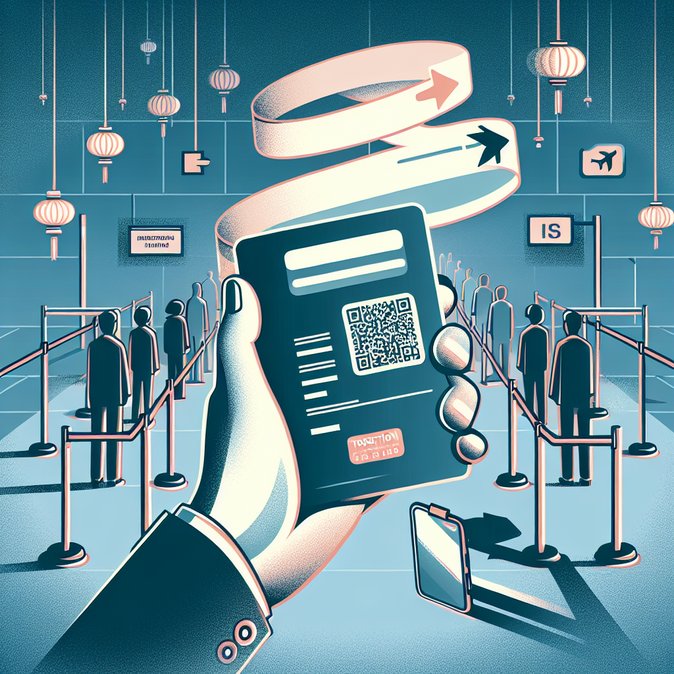
Travellers entering China no longer need to fumble with paper arrival cards. The National Immigration Administration (NIA) has begun rolling out an electronic arrival-card system: passengers can pre-submit details via the NIA website, the “NIA 12367” app or WeChat/Alipay mini-programmes and receive a QR code for scanning at passport control.
Large signs have appeared at major airports, and airlines are distributing QR codes at check-in to encourage early submission. Paper cards will remain available during a six-month transition, but officials aim to make e-filing the default before the Lunar New Year rush in late January.
![China Begins Nationwide Phase-Out of Paper Arrival Cards, Introduces Digital QR System]()
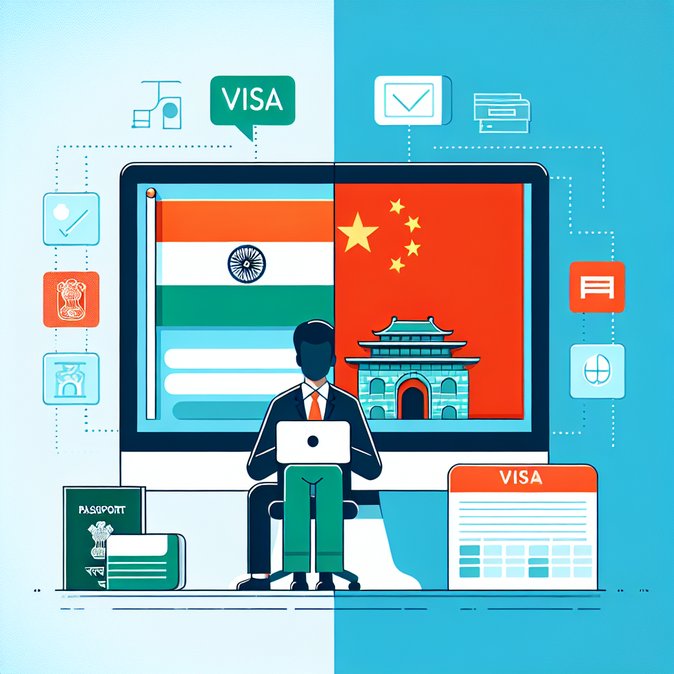
VisaHQ can make the move to a fully digital arrival even easier. Through its China travel portal (https://www.visahq.com/china/), travelers and corporate travel managers can store passenger data once and have it automatically populate both visa applications and the new NIA arrival card, while real-time dashboards track compliance for entire teams—saving time and preventing last-minute border surprises.
For multinationals the switch offers tangible productivity gains: Beijing Capital Airport estimates that manual card-filling adds eight minutes per passenger; eliminating it could shave hours off group clearances for trade-fair delegates. Travel-management companies are embedding the QR link in itineraries, and some corporates will mandate pre-submission for all staff to avoid border delays.
Data-privacy committees remain cautious. The NIA says information is stored on mainland servers and purged after a statutory retention period, but firms handling sensitive IP may let employees use the paper form until internal reviews are complete. Authorities hint that the e-card will eventually integrate with facial-recognition “Smart Lane” gates for a fully paperless arrival experience.
Large signs have appeared at major airports, and airlines are distributing QR codes at check-in to encourage early submission. Paper cards will remain available during a six-month transition, but officials aim to make e-filing the default before the Lunar New Year rush in late January.

VisaHQ can make the move to a fully digital arrival even easier. Through its China travel portal (https://www.visahq.com/china/), travelers and corporate travel managers can store passenger data once and have it automatically populate both visa applications and the new NIA arrival card, while real-time dashboards track compliance for entire teams—saving time and preventing last-minute border surprises.
For multinationals the switch offers tangible productivity gains: Beijing Capital Airport estimates that manual card-filling adds eight minutes per passenger; eliminating it could shave hours off group clearances for trade-fair delegates. Travel-management companies are embedding the QR link in itineraries, and some corporates will mandate pre-submission for all staff to avoid border delays.
Data-privacy committees remain cautious. The NIA says information is stored on mainland servers and purged after a statutory retention period, but firms handling sensitive IP may let employees use the paper form until internal reviews are complete. Authorities hint that the e-card will eventually integrate with facial-recognition “Smart Lane” gates for a fully paperless arrival experience.