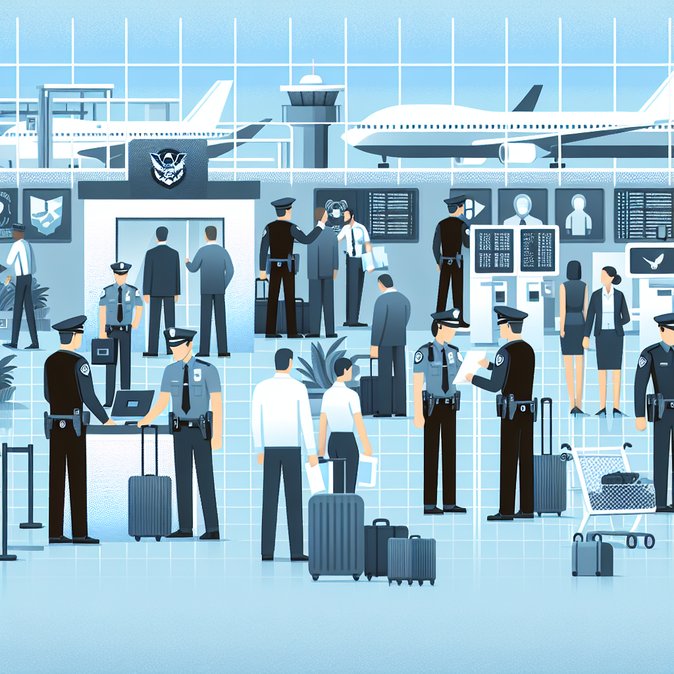
With passenger volumes expected to jump 15 percent over the Christmas-New Year peak, Brazil’s Ministry of Ports and Airports activated Operação Fim de Ano on 19 December, sending 200 additional National Civil Aviation Agency (ANAC) inspectors to the country’s 15 busiest airports.
The task-force monitors check-in queues, security lanes and baggage systems via a new real-time “war-room” dashboard that aggregates on-time-performance and passenger-complaint data. Airports have opened pop-up service desks, while airlines have positioned spare aircraft and committed to strict compliance with Resolution 400 compensation rules. WhatsApp delay alerts in English and Spanish are being rolled out for the first time—a welcome move for non-Portuguese-speaking business travellers.
For mobility managers the surge offers both relief and risk. Additional staffing should smooth peak-season flows, but inspectors are authorised to fine travellers on the spot for overweight carry-ons or improper lithium-battery transport. Companies are advising assignees to arrive three hours before international departures and to keep e-Visas or physical visas readily accessible.
![Government Deploys 200 Extra Inspectors to 15 Airports to Keep Holiday Travel Flowing]()
If any travellers still need help securing an e-Visa or clarifying Brazil’s entry rules, VisaHQ can streamline the process in minutes. Its dedicated Brazil portal (https://www.visahq.com/brazil/) handles applications, tracks status updates and provides up-to-date guidance on baggage, battery and customs restrictions—tools that can spare passengers costly surprises when ANAC inspectors are in full force.
The operation runs through 5 January 2026, after which ANAC will publish a performance report likely to shape future resource allocations. Early indicators suggest a modest improvement in on-time performance versus 2024.
Travel teams should monitor live dashboard feeds (available on ANAC’s website) and adjust ground-transport reservations to account for potential terminal congestion during the busy return-to-work window in early January.
The task-force monitors check-in queues, security lanes and baggage systems via a new real-time “war-room” dashboard that aggregates on-time-performance and passenger-complaint data. Airports have opened pop-up service desks, while airlines have positioned spare aircraft and committed to strict compliance with Resolution 400 compensation rules. WhatsApp delay alerts in English and Spanish are being rolled out for the first time—a welcome move for non-Portuguese-speaking business travellers.
For mobility managers the surge offers both relief and risk. Additional staffing should smooth peak-season flows, but inspectors are authorised to fine travellers on the spot for overweight carry-ons or improper lithium-battery transport. Companies are advising assignees to arrive three hours before international departures and to keep e-Visas or physical visas readily accessible.

If any travellers still need help securing an e-Visa or clarifying Brazil’s entry rules, VisaHQ can streamline the process in minutes. Its dedicated Brazil portal (https://www.visahq.com/brazil/) handles applications, tracks status updates and provides up-to-date guidance on baggage, battery and customs restrictions—tools that can spare passengers costly surprises when ANAC inspectors are in full force.
The operation runs through 5 January 2026, after which ANAC will publish a performance report likely to shape future resource allocations. Early indicators suggest a modest improvement in on-time performance versus 2024.
Travel teams should monitor live dashboard feeds (available on ANAC’s website) and adjust ground-transport reservations to account for potential terminal congestion during the busy return-to-work window in early January.