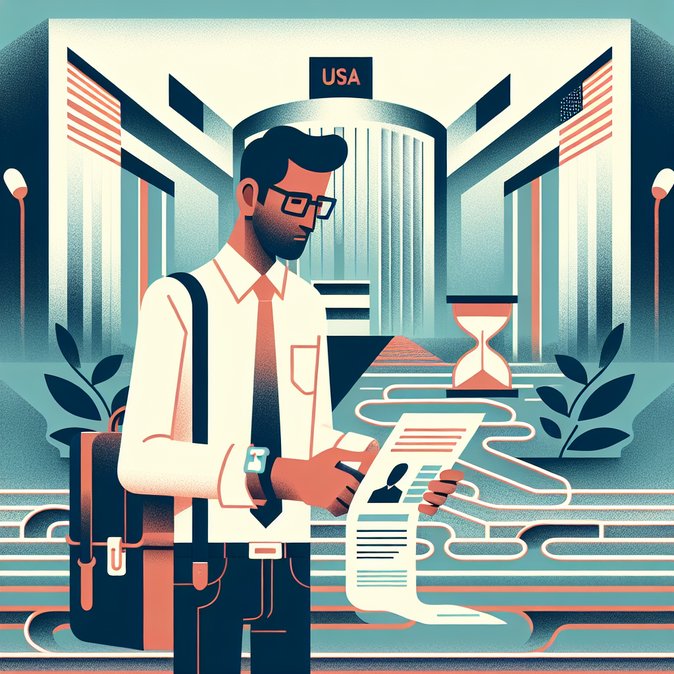
The US Embassy in India has warned H-1B and H-4 visa applicants to “apply as early as possible” after the US State Department quietly expanded **online-presence reviews** to _all_ candidates worldwide on 15 December. Consular officers will now trawl public social-media profiles, posts and photos when assessing petitions—an extension of pilot checks first introduced for B-visas in 2024.
The advisory—posted on X and amplified by major Indian tech portals on 22 December—arrives amid mounting reports of Indian professionals stranded in Pune, Bengaluru and Hyderabad because interview slots were suddenly pushed back by up to six months. Apple, Google and Microsoft have reportedly cautioned visa-holding staff against non-essential travel, fearing re-entry delays if passports remain at consulates for extended administrative processing.
For Indian talent mobility teams, the new scrutiny means longer lead-times for US assignments and heightened reputational risk if employees’ online content is deemed controversial. Immigration lawyers recommend that candidates review public privacy settings and be ready to explain political posts or nickname discrepancies across platforms. Employers should also revise client-delivery schedules that depend on H-1B resources returning to the US in Q1 2026.
![US Embassy Issues Worldwide Alert: H-1B & H-4 Applicants Face Social-Media Screening]()
Companies and individual travellers looking for extra support during this uncertain period can take advantage of VisaHQ’s India portal, which provides real-time appointment tracking, document pre-screening and courier management for U.S. H-1B, H-4 and other visa categories. The streamlined service—available at https://www.visahq.com/india/—helps applicants secure the earliest possible slot and avoid unexpected delays, giving HR teams and assignees greater control over project timelines.
The State Department insists the policy safeguards programme integrity without capping approvals, yet data from 2025 already show a 12 % uptick in H-1B “221(g)” administrative holds. With FY 2027 cap registration only three months away, Indian consultancies fear project margins will erode unless clarity on processing times emerges.
Until then, corporates are advised to: (1) pre-book visa interviews at least four months ahead, (2) counsel staff on digital footprints, and (3) keep remote-work contingencies ready in case travel plans derail.
The advisory—posted on X and amplified by major Indian tech portals on 22 December—arrives amid mounting reports of Indian professionals stranded in Pune, Bengaluru and Hyderabad because interview slots were suddenly pushed back by up to six months. Apple, Google and Microsoft have reportedly cautioned visa-holding staff against non-essential travel, fearing re-entry delays if passports remain at consulates for extended administrative processing.
For Indian talent mobility teams, the new scrutiny means longer lead-times for US assignments and heightened reputational risk if employees’ online content is deemed controversial. Immigration lawyers recommend that candidates review public privacy settings and be ready to explain political posts or nickname discrepancies across platforms. Employers should also revise client-delivery schedules that depend on H-1B resources returning to the US in Q1 2026.

Companies and individual travellers looking for extra support during this uncertain period can take advantage of VisaHQ’s India portal, which provides real-time appointment tracking, document pre-screening and courier management for U.S. H-1B, H-4 and other visa categories. The streamlined service—available at https://www.visahq.com/india/—helps applicants secure the earliest possible slot and avoid unexpected delays, giving HR teams and assignees greater control over project timelines.
The State Department insists the policy safeguards programme integrity without capping approvals, yet data from 2025 already show a 12 % uptick in H-1B “221(g)” administrative holds. With FY 2027 cap registration only three months away, Indian consultancies fear project margins will erode unless clarity on processing times emerges.
Until then, corporates are advised to: (1) pre-book visa interviews at least four months ahead, (2) counsel staff on digital footprints, and (3) keep remote-work contingencies ready in case travel plans derail.