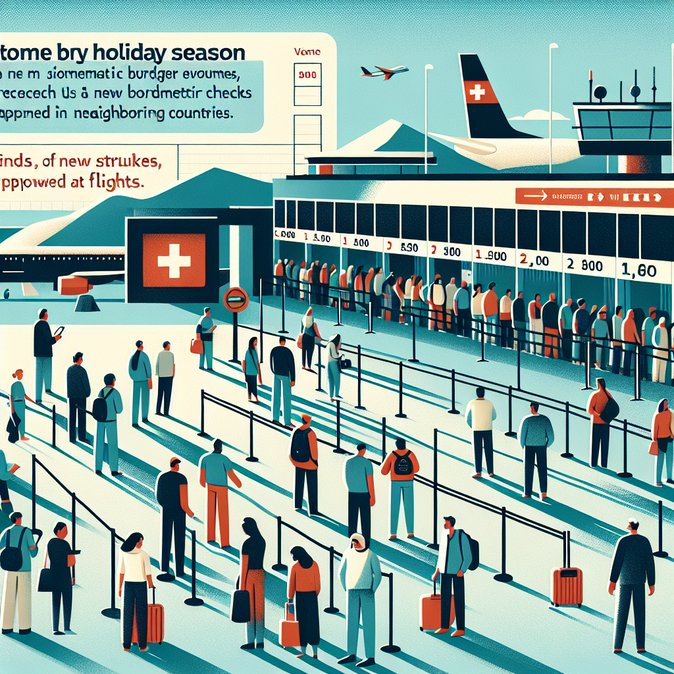
Switzerland’s three international airports – Zurich, Geneva and Basel-Mulhouse – are warning travellers to build extra buffers into their itineraries between Christmas and New Year after a perfect storm of external strikes and the EU’s new biometric Entry/Exit System (EES) began to ripple through the country’s gateways.
Airport spokespeople in Zurich and Geneva told local media on Monday, 22 December, that passenger volumes are tracking 10-15 % higher than last year and are expected to peak on 26 and 28 December. While air-traffic control and ground staff in Switzerland are operating normally, industrial action at London-Luton, several Spanish hubs and parts of the French railway and aviation sectors is pushing knock-on delays of up to two hours onto Swiss arrival and departure banks. Aircraft arriving late from strike-hit airports compress the schedule, causing queues at baggage belts, passport control and remote stands.
For travellers unsure about documentation requirements or the new biometric procedures, VisaHQ’s Switzerland portal (https://www.visahq.com/switzerland/) offers up-to-the-minute visa guidance, passport validity checks and personalised alerts. The service can help passengers pre-verify that their documents are EES-ready and, where necessary, arrange fast renewals or second passports—potentially shaving precious minutes off airport processing times.
![Swiss Airports Brace for Holiday Chaos Amid Strikes and New EU Border Checks]()
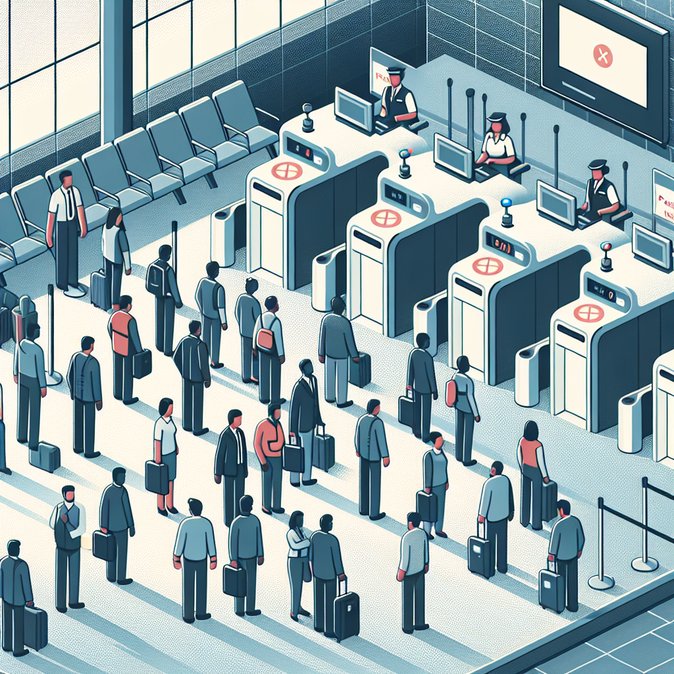
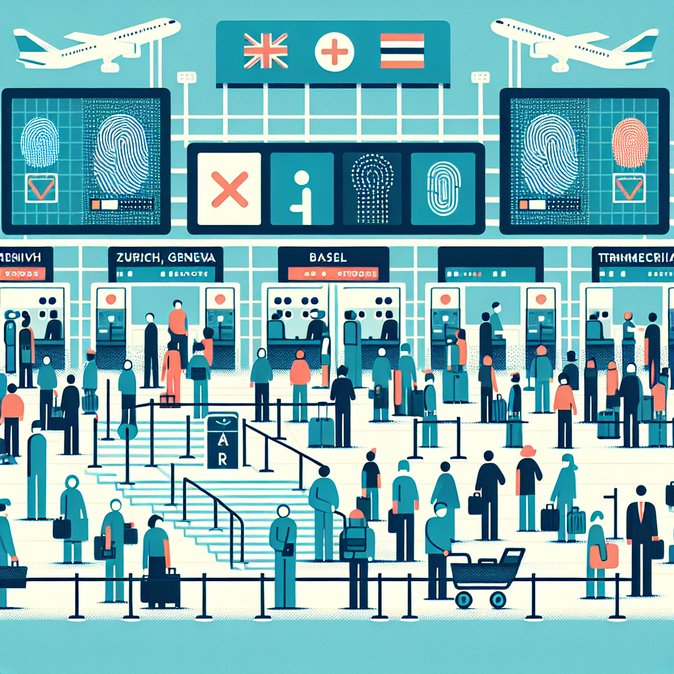
Making matters worse, the EES – which Switzerland introduced at Zurich and Geneva airports in October – is still in pilot mode. The system requires first-time non-EU travellers to enrol fingerprints and a live facial image before clearing immigration. Geneva’s biometric kiosks froze twice on Saturday, forcing border police to shut them down temporarily and revert to manual processing. According to VisaHQ, some non-EU passengers waited up to four hours to clear the border, prompting the airport to increase staffing and install extra crowd-control barriers for the coming week.
Swiss tour operators fear the delays could cost ski resorts valuable transfer slots. “If coaches have to wait an extra hour at the airport, they miss their slot on mountain roads that close at night,” said Martin Brunner of SwissSnowBus. Corporate mobility managers are also fielding calls from executives concerned about tight connections to onward meetings or year-end plant shutdowns. Travel-management company Kuoni Business Travel is advising clients to avoid tight 90-minute turn-arounds and to budget at least three hours for connections through Swiss hubs.
Practical tips issued by the airports include arriving three hours ahead of departure, using online check-in and bag-drop where possible, and ensuring that passports are scannable by e-gates (machine-readable and with at least six months’ validity). Companies moving staff across borders should monitor live airport dashboards and consider flexible tickets or rail alternatives for intra-European hops.
Airport spokespeople in Zurich and Geneva told local media on Monday, 22 December, that passenger volumes are tracking 10-15 % higher than last year and are expected to peak on 26 and 28 December. While air-traffic control and ground staff in Switzerland are operating normally, industrial action at London-Luton, several Spanish hubs and parts of the French railway and aviation sectors is pushing knock-on delays of up to two hours onto Swiss arrival and departure banks. Aircraft arriving late from strike-hit airports compress the schedule, causing queues at baggage belts, passport control and remote stands.
For travellers unsure about documentation requirements or the new biometric procedures, VisaHQ’s Switzerland portal (https://www.visahq.com/switzerland/) offers up-to-the-minute visa guidance, passport validity checks and personalised alerts. The service can help passengers pre-verify that their documents are EES-ready and, where necessary, arrange fast renewals or second passports—potentially shaving precious minutes off airport processing times.
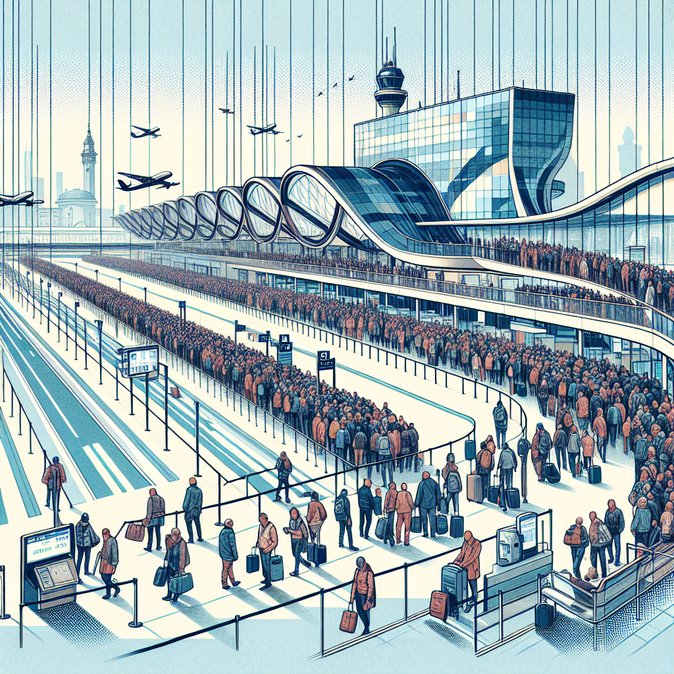
Making matters worse, the EES – which Switzerland introduced at Zurich and Geneva airports in October – is still in pilot mode. The system requires first-time non-EU travellers to enrol fingerprints and a live facial image before clearing immigration. Geneva’s biometric kiosks froze twice on Saturday, forcing border police to shut them down temporarily and revert to manual processing. According to VisaHQ, some non-EU passengers waited up to four hours to clear the border, prompting the airport to increase staffing and install extra crowd-control barriers for the coming week.
Swiss tour operators fear the delays could cost ski resorts valuable transfer slots. “If coaches have to wait an extra hour at the airport, they miss their slot on mountain roads that close at night,” said Martin Brunner of SwissSnowBus. Corporate mobility managers are also fielding calls from executives concerned about tight connections to onward meetings or year-end plant shutdowns. Travel-management company Kuoni Business Travel is advising clients to avoid tight 90-minute turn-arounds and to budget at least three hours for connections through Swiss hubs.
Practical tips issued by the airports include arriving three hours ahead of departure, using online check-in and bag-drop where possible, and ensuring that passports are scannable by e-gates (machine-readable and with at least six months’ validity). Companies moving staff across borders should monitor live airport dashboards and consider flexible tickets or rail alternatives for intra-European hops.