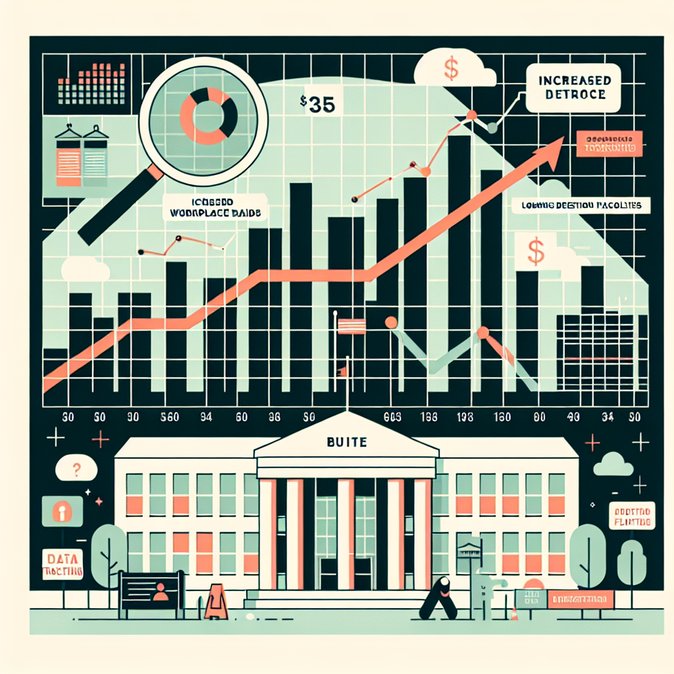
President Donald Trump is laying the groundwork for what aides call “the largest deportation operation in U.S. history,” according to an exclusive Reuters report published Sunday. Fresh from securing a $170 billion funding boost in July’s homeland-security spending bill, the administration plans to hire thousands of new agents, open additional detention centers and resume large-scale workplace raids that had been on hold since the pandemic.
The policy blueprint—circulated to agency chiefs this week—calls for targeting both undocumented immigrants and those who have lost Temporary Protected Status (TPS) after recent terminations for Haiti, Venezuela and Afghanistan. Officials told Reuters that Immigration and Customs Enforcement (ICE) will partner with data-analytics vendors to mine utility records and payroll data in order to locate fugitives, a tactic critics liken to mass surveillance.
Business groups are alarmed. The U.S. Chamber of Commerce warns that surprise factory raids could snarl already-thin supply chains and push up labor costs, undermining the administration’s fight against inflation. Labor-intensive sectors such as agriculture, food processing and hospitality are bracing for double-digit turnover as workers retreat into the underground economy.
![White House prepares billion-dollar surge for ICE and Border Patrol as 2026 deportation drive looms]()
Amid this uncertainty, companies and foreign nationals often need fast, accurate guidance on visas and compliance. VisaHQ can help by streamlining document preparation, flagging deadline-sensitive renewals and offering real-time support for U.S. visa and travel questions; more details are available at https://www.visahq.com/united-states/
Politically, the crackdown is risky. Miami voters—many with immigrant roots—just elected the city’s first Democratic mayor in three decades, citing opposition to aggressive federal tactics. National polls show Trump’s approval on immigration sliding to 41 percent, down nine points since March. Yet White House border czar Tom Homan told Reuters the president is “determined to remove one million people a year,” arguing that critics will “thank us when wages rise.”
What should employers do now? Legal experts recommend updating I-9 files, auditing subcontractor compliance and preparing rapid-response plans for work-site inspections. Companies that rely on high-skilled foreign talent should also watch for possible spill-over into visa revocations: ICE has already stepped up arrests at adjustment-of-status interviews and citizenship ceremonies, areas previously seen as low-risk.
The policy blueprint—circulated to agency chiefs this week—calls for targeting both undocumented immigrants and those who have lost Temporary Protected Status (TPS) after recent terminations for Haiti, Venezuela and Afghanistan. Officials told Reuters that Immigration and Customs Enforcement (ICE) will partner with data-analytics vendors to mine utility records and payroll data in order to locate fugitives, a tactic critics liken to mass surveillance.
Business groups are alarmed. The U.S. Chamber of Commerce warns that surprise factory raids could snarl already-thin supply chains and push up labor costs, undermining the administration’s fight against inflation. Labor-intensive sectors such as agriculture, food processing and hospitality are bracing for double-digit turnover as workers retreat into the underground economy.

Amid this uncertainty, companies and foreign nationals often need fast, accurate guidance on visas and compliance. VisaHQ can help by streamlining document preparation, flagging deadline-sensitive renewals and offering real-time support for U.S. visa and travel questions; more details are available at https://www.visahq.com/united-states/
Politically, the crackdown is risky. Miami voters—many with immigrant roots—just elected the city’s first Democratic mayor in three decades, citing opposition to aggressive federal tactics. National polls show Trump’s approval on immigration sliding to 41 percent, down nine points since March. Yet White House border czar Tom Homan told Reuters the president is “determined to remove one million people a year,” arguing that critics will “thank us when wages rise.”
What should employers do now? Legal experts recommend updating I-9 files, auditing subcontractor compliance and preparing rapid-response plans for work-site inspections. Companies that rely on high-skilled foreign talent should also watch for possible spill-over into visa revocations: ICE has already stepped up arrests at adjustment-of-status interviews and citizenship ceremonies, areas previously seen as low-risk.
More From United States of America
View all
State Department admits visa-appointment backlog could stretch a year, prompting corporate travel freezes

‘Security grinches’ at U.S. airports: TSA warns holiday flyers of strict gift and battery rules as record crowds descend