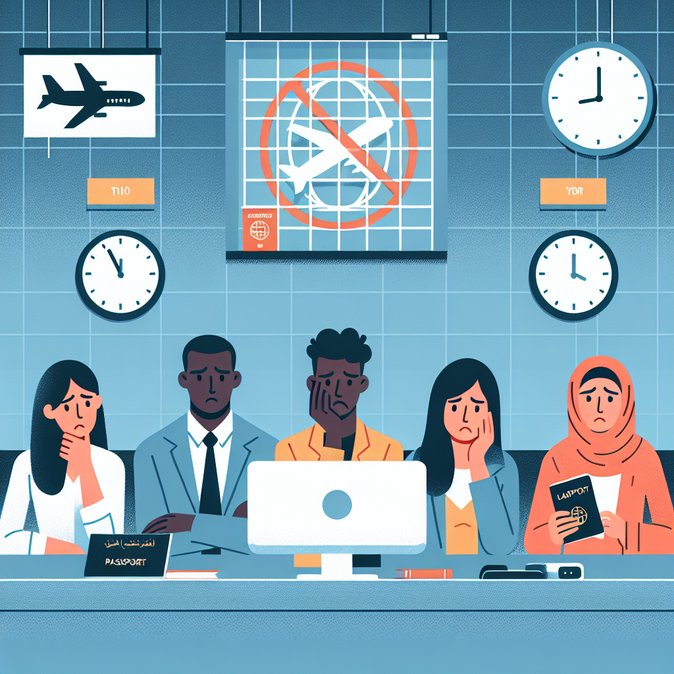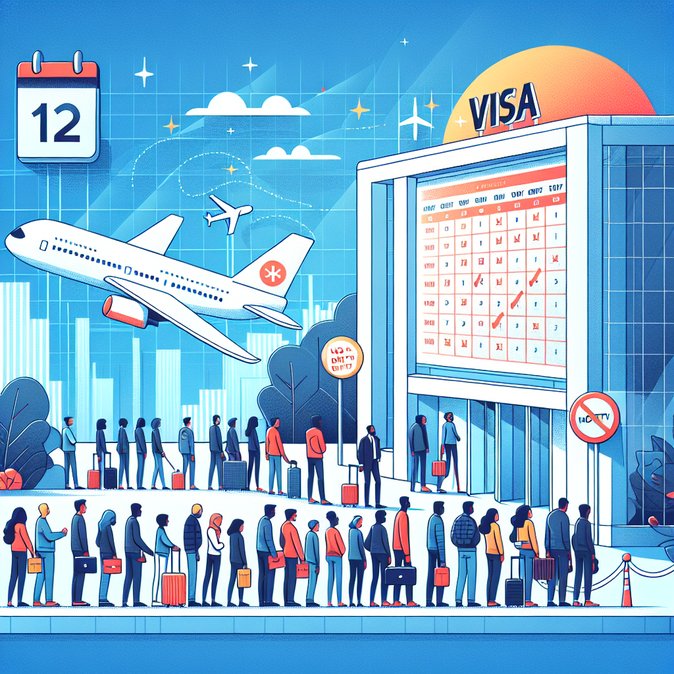
In a rare public acknowledgement, a U.S. State Department spokesperson told Business Insider that many embassies are now booking non-immigrant visa interviews 8-12 months out as they implement a new “online-presence review” for every applicant. The confirmation, published by The Times of India, validates anecdotal reports from immigration lawyers and global mobility managers who have spent December juggling last-minute cancellations.
Consular posts in Mumbai, Dublin and Ho Chi Minh City are among the hardest hit because they process large volumes of H-1B renewals. Officials say the delays stem from December 1 guidance that expanded social-media screening to include LinkedIn pages and GitHub repositories for tech workers. Embassy IT systems were never designed for the additional data harvest, forcing manual reviews that dramatically cut daily interview capacity.
For applicants trying to navigate these backlogs, VisaHQ can serve as an invaluable ally. Its platform tracks appointment availability, flags eligibility for interview waivers, and helps assemble error-free application packets so travelers avoid costly rescheduling. Employers and individuals can tap VisaHQ’s real-time expertise for any U.S. consulate worldwide—details are available at https://www.visahq.com/united-states/
![State Department admits visa-appointment backlog could stretch a year, prompting corporate travel freezes]()
The ripple effects are immediate: major U.S. tech firms have frozen all non-essential overseas travel for visa holders; Indian outsourcing giants have moved winter training programs from Bengaluru to Austin to keep trainees stateside; and multinational clients are adding “force majeure-visa delay” clauses to service agreements. Universities are warning spring-semester F-1 students not to leave the country during the mid-term break unless their visas are valid through summer.
Business groups are urging the State Department to reinstate the broad interview-waiver authority that expired on September 2, trim social-media look-back requirements to two years, and publish real-time appointment dashboards so companies can plan rotations accurately. For now, mobility teams are dusting off pandemic playbooks: arranging Canadian visa-runs for urgent travelers, scheduling remote work from near-shore hubs, and stockpiling “just-in-case” global payroll registrations.
Companies with employees already stuck abroad should lodge expedite requests citing “significant economic impact” and prepare payroll documentation that shows project deadlines and financial penalties. Attorneys caution, however, that approval rates vary widely by post and that evidence of unavoidable travel—such as a parent’s funeral—still carries more weight than business hardship. Expect wait times to remain elevated at least through the H-1B cap filing rush in April 2026, practitioners say.
Consular posts in Mumbai, Dublin and Ho Chi Minh City are among the hardest hit because they process large volumes of H-1B renewals. Officials say the delays stem from December 1 guidance that expanded social-media screening to include LinkedIn pages and GitHub repositories for tech workers. Embassy IT systems were never designed for the additional data harvest, forcing manual reviews that dramatically cut daily interview capacity.
For applicants trying to navigate these backlogs, VisaHQ can serve as an invaluable ally. Its platform tracks appointment availability, flags eligibility for interview waivers, and helps assemble error-free application packets so travelers avoid costly rescheduling. Employers and individuals can tap VisaHQ’s real-time expertise for any U.S. consulate worldwide—details are available at https://www.visahq.com/united-states/

The ripple effects are immediate: major U.S. tech firms have frozen all non-essential overseas travel for visa holders; Indian outsourcing giants have moved winter training programs from Bengaluru to Austin to keep trainees stateside; and multinational clients are adding “force majeure-visa delay” clauses to service agreements. Universities are warning spring-semester F-1 students not to leave the country during the mid-term break unless their visas are valid through summer.
Business groups are urging the State Department to reinstate the broad interview-waiver authority that expired on September 2, trim social-media look-back requirements to two years, and publish real-time appointment dashboards so companies can plan rotations accurately. For now, mobility teams are dusting off pandemic playbooks: arranging Canadian visa-runs for urgent travelers, scheduling remote work from near-shore hubs, and stockpiling “just-in-case” global payroll registrations.
Companies with employees already stuck abroad should lodge expedite requests citing “significant economic impact” and prepare payroll documentation that shows project deadlines and financial penalties. Attorneys caution, however, that approval rates vary widely by post and that evidence of unavoidable travel—such as a parent’s funeral—still carries more weight than business hardship. Expect wait times to remain elevated at least through the H-1B cap filing rush in April 2026, practitioners say.
More From United States of America
View all
White House prepares billion-dollar surge for ICE and Border Patrol as 2026 deportation drive looms
‘Security grinches’ at U.S. airports: TSA warns holiday flyers of strict gift and battery rules as record crowds descend