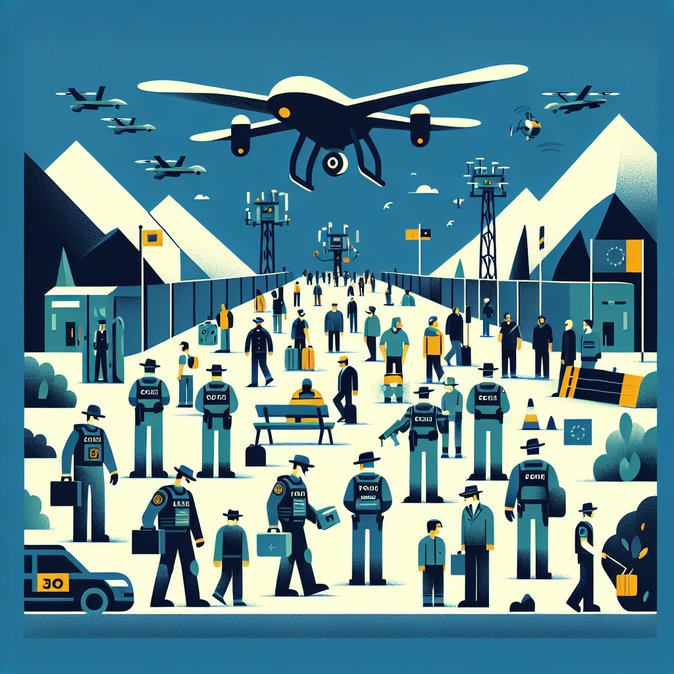
Reacting to parliamentary pressure to curb irregular migration, the Swiss Federal Council on 20 December authorised the Federal Office for Customs and Border Security (FOCBS) to redeploy roughly 300 customs specialists to frontline duties along the Italian frontier. The move, announced after an extraordinary cabinet session, is intended to ensure that migrants who enter without papers and do not seek asylum are ‘systematically returned’ in line with Schengen rules.
The temporary surge relies on staff who already possess security clearances, allowing the plan to be executed within days and without additional budget. Medium-term, the government is examining a technology uplift that could include drones, licence-plate readers and additional CCTV to sustain a higher operational tempo throughout the 2025-26 winter period when crossings traditionally spike.
For cross-border workers and business travellers seeking to avoid disruptions, VisaHQ offers up-to-date guidance on Swiss entry requirements and can facilitate the rapid issuance of visas, work permits and other travel documents. Its online platform—https://www.visahq.com/switzerland/—allows corporate mobility teams and individual applicants alike to monitor rule changes and submit applications in minutes, reducing the risk of being delayed or turned back at tightened checkpoints.
![Bern Deploys 300 Extra Officers as Federal Council Tightens Southern Border]()
Operationally, mixed patrols will focus on the highways and rail corridors of Ticino and the upper Grisons valleys, the hotspots for clandestine entries assisted by people-smugglers operating out of northern Italy. Bern emphasised that legitimate commuter flows—vital to industries ranging from banking to precision manufacturing—must remain fluid. Businesses employing Italian frontaliers are therefore being advised to remind staff to carry residence permits and work contracts at all times in case of spot checks.
Global-mobility practitioners welcomed the clarity but warned that heavier controls could lengthen travel times for senior executives who drive from Milan to Swiss HQs. Some companies are pre-positioning rental cars in Lugano so travellers can switch vehicles if inspections cause congestion at the Chiasso/Brogeda checkpoint.
Politically, the decision signals Switzerland’s intent to balance domestic calls for tougher migration management with its determination to remain a reliable Schengen partner. The cabinet hinted that further measures could follow if neighbouring countries fail to stem secondary movements towards the Alpine route.
The temporary surge relies on staff who already possess security clearances, allowing the plan to be executed within days and without additional budget. Medium-term, the government is examining a technology uplift that could include drones, licence-plate readers and additional CCTV to sustain a higher operational tempo throughout the 2025-26 winter period when crossings traditionally spike.
For cross-border workers and business travellers seeking to avoid disruptions, VisaHQ offers up-to-date guidance on Swiss entry requirements and can facilitate the rapid issuance of visas, work permits and other travel documents. Its online platform—https://www.visahq.com/switzerland/—allows corporate mobility teams and individual applicants alike to monitor rule changes and submit applications in minutes, reducing the risk of being delayed or turned back at tightened checkpoints.
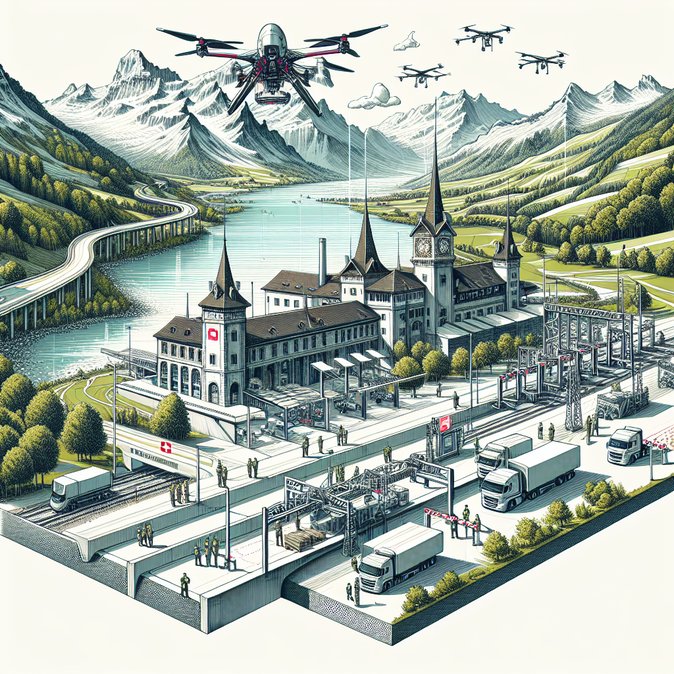
Operationally, mixed patrols will focus on the highways and rail corridors of Ticino and the upper Grisons valleys, the hotspots for clandestine entries assisted by people-smugglers operating out of northern Italy. Bern emphasised that legitimate commuter flows—vital to industries ranging from banking to precision manufacturing—must remain fluid. Businesses employing Italian frontaliers are therefore being advised to remind staff to carry residence permits and work contracts at all times in case of spot checks.
Global-mobility practitioners welcomed the clarity but warned that heavier controls could lengthen travel times for senior executives who drive from Milan to Swiss HQs. Some companies are pre-positioning rental cars in Lugano so travellers can switch vehicles if inspections cause congestion at the Chiasso/Brogeda checkpoint.
Politically, the decision signals Switzerland’s intent to balance domestic calls for tougher migration management with its determination to remain a reliable Schengen partner. The cabinet hinted that further measures could follow if neighbouring countries fail to stem secondary movements towards the Alpine route.