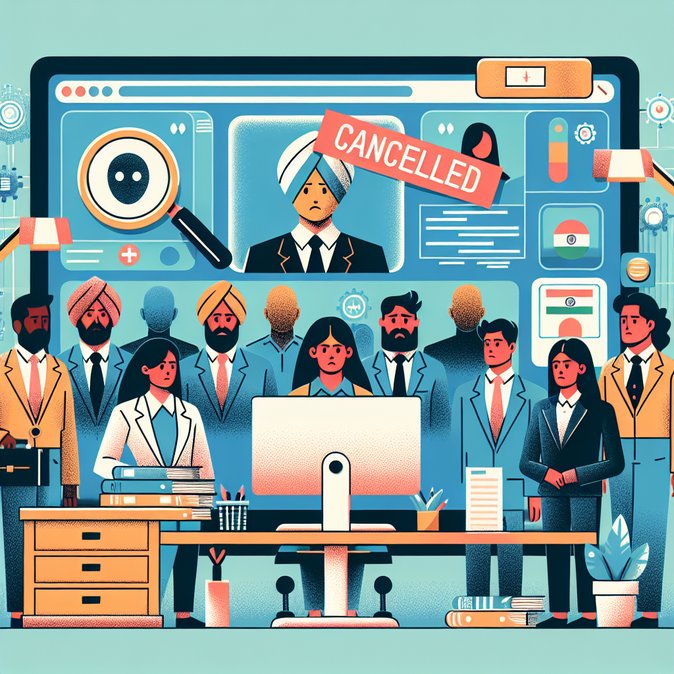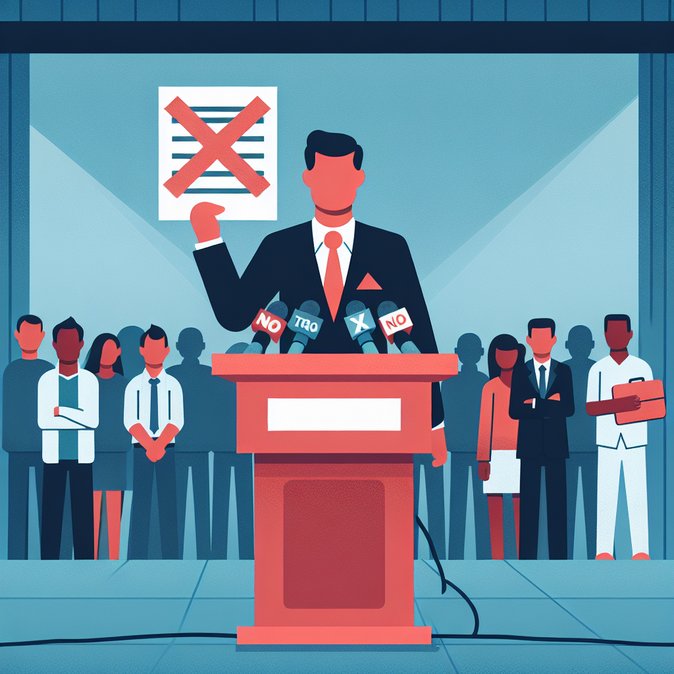
U.S. Secretary of State Marco Rubio on 20 December defended sweeping immigration curbs, declaring that a visa “is a privilege, not a right,” and confirming that 60,000-70,000 visas had been revoked or denied in the past year. His remarks amplify concerns among Indian F-1 and H-1B holders already grappling with record appointment backlogs and post-study work-route cuts.
Rubio hinted that the administration would continue post-entry surveillance of visa holders and exercise revocation powers where national-interest grounds arise. For Indian students—now the largest foreign cohort in U.S. master’s programmes—the comments raise the spectre of retroactive status checks affecting research collaborations or social-media activity.
![‘Visa Is a Privilege’: U.S. Signals Tougher Line, Alarming Indian Students and Professionals]()
Amid these shifting rules, Indian applicants can lean on specialist platforms such as VisaHQ, which consolidates U.S. visa requirements, automates form completion and monitors application milestones. The India-specific portal (https://www.visahq.com/india/) also pushes real-time policy alerts, helping students, employers and mobility teams avoid documentation errors and navigate embassy slot shortages with greater confidence.
Education consultants forecast a 10 % dip in Fall 2026 Indian enrolments if uncertainty persists, with Canada and Australia likely to benefit. Employers may see chilled talent mobility, as workers weigh the risk of sudden revocation before accepting U.S. postings.
Mobility teams should step up compliance briefings: remind staff about status-maintenance rules, social-media hygiene and the importance of timely address updates with USCIS. Institutions may also consider diversifying destination options for sponsored students and trainees.
Rubio hinted that the administration would continue post-entry surveillance of visa holders and exercise revocation powers where national-interest grounds arise. For Indian students—now the largest foreign cohort in U.S. master’s programmes—the comments raise the spectre of retroactive status checks affecting research collaborations or social-media activity.

Amid these shifting rules, Indian applicants can lean on specialist platforms such as VisaHQ, which consolidates U.S. visa requirements, automates form completion and monitors application milestones. The India-specific portal (https://www.visahq.com/india/) also pushes real-time policy alerts, helping students, employers and mobility teams avoid documentation errors and navigate embassy slot shortages with greater confidence.
Education consultants forecast a 10 % dip in Fall 2026 Indian enrolments if uncertainty persists, with Canada and Australia likely to benefit. Employers may see chilled talent mobility, as workers weigh the risk of sudden revocation before accepting U.S. postings.
Mobility teams should step up compliance briefings: remind staff about status-maintenance rules, social-media hygiene and the importance of timely address updates with USCIS. Institutions may also consider diversifying destination options for sponsored students and trainees.