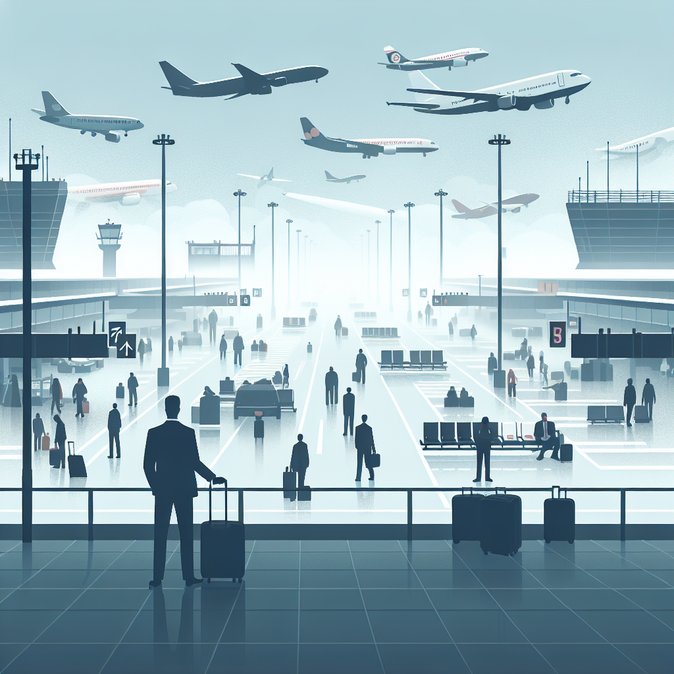
Air travel in and out of North India ground to a near-halt on 20 December when a thick blanket of fog reduced visibility at Delhi’s Indira Gandhi International Airport (IGIA) to as little as 200 metres. Airport officials confirmed that 129 flights—including 66 arrivals and 63 departures—were cancelled and more than 500 were delayed as the season’s first severe fog episode spread across the Indo-Gangetic plain.
IndiGo and Air India activated special disruption protocols. IndiGo issued a real-time X (formerly Twitter) advisory for passengers travelling to and from Chandigarh and Amritsar, urging them to re-check schedules before heading to the airport and to expect rolling delays throughout the weekend. Air India revived its “FogCare” waiver—first introduced in 2019—allowing no-fee date changes or full refunds for customers booked during the high-risk fog window. Ground teams were redeployed to help with re-routing and hotel accommodation where required.
The Airports Authority of India (AAI) said dedicated passenger-facilitation teams had been positioned at major affected airports, including Lucknow, Varanasi and Patna, to manage crowd flow and provide up-to-the-minute updates. Business-travel heavy routes such as Delhi-Mumbai, Delhi-Bengaluru and Delhi-Hyderabad saw cascading delays, forcing corporates to shift last-minute meetings online and scramble for rail alternatives.
![Dense Fog Grounds Over 100 Flights, Airlines Trigger ‘FogCare’ Plans Across North India]()
For travelers suddenly needing to reroute through a third country or switch to international rail corridors, visa logistics can become an unexpected hurdle. VisaHQ (https://www.visahq.com/india/) simplifies emergency applications by flagging real-time entry requirements, expediting e-visas, and offering courier pick-up of documents—allowing passengers to tackle flight changes while VisaHQ handles the paperwork.
Aviation analysts warn that India’s winter‐fog problem is intensifying; IMD data show Delhi experienced 42 dense-fog hours last December compared with 19 the previous year. Airlines now build additional block time and spare aircraft into December–January schedules, but the sheer passenger volume—IGIA handles 1,300+ daily movements—means disruption costs can run into tens of millions of rupees per day.
For mobility managers, the latest episode underscores the importance of contingency planning: consider early-morning departures (before fog thickens), book flexible fares, and alert expatriates to carry extra medication and essentials in hand baggage. Companies with time-critical cargo may also need to pre-book air-to-rail intermodal options or divert shipments through less-affected southern hubs such as Bengaluru or Hyderabad.
IndiGo and Air India activated special disruption protocols. IndiGo issued a real-time X (formerly Twitter) advisory for passengers travelling to and from Chandigarh and Amritsar, urging them to re-check schedules before heading to the airport and to expect rolling delays throughout the weekend. Air India revived its “FogCare” waiver—first introduced in 2019—allowing no-fee date changes or full refunds for customers booked during the high-risk fog window. Ground teams were redeployed to help with re-routing and hotel accommodation where required.
The Airports Authority of India (AAI) said dedicated passenger-facilitation teams had been positioned at major affected airports, including Lucknow, Varanasi and Patna, to manage crowd flow and provide up-to-the-minute updates. Business-travel heavy routes such as Delhi-Mumbai, Delhi-Bengaluru and Delhi-Hyderabad saw cascading delays, forcing corporates to shift last-minute meetings online and scramble for rail alternatives.

For travelers suddenly needing to reroute through a third country or switch to international rail corridors, visa logistics can become an unexpected hurdle. VisaHQ (https://www.visahq.com/india/) simplifies emergency applications by flagging real-time entry requirements, expediting e-visas, and offering courier pick-up of documents—allowing passengers to tackle flight changes while VisaHQ handles the paperwork.
Aviation analysts warn that India’s winter‐fog problem is intensifying; IMD data show Delhi experienced 42 dense-fog hours last December compared with 19 the previous year. Airlines now build additional block time and spare aircraft into December–January schedules, but the sheer passenger volume—IGIA handles 1,300+ daily movements—means disruption costs can run into tens of millions of rupees per day.
For mobility managers, the latest episode underscores the importance of contingency planning: consider early-morning departures (before fog thickens), book flexible fares, and alert expatriates to carry extra medication and essentials in hand baggage. Companies with time-critical cargo may also need to pre-book air-to-rail intermodal options or divert shipments through less-affected southern hubs such as Bengaluru or Hyderabad.