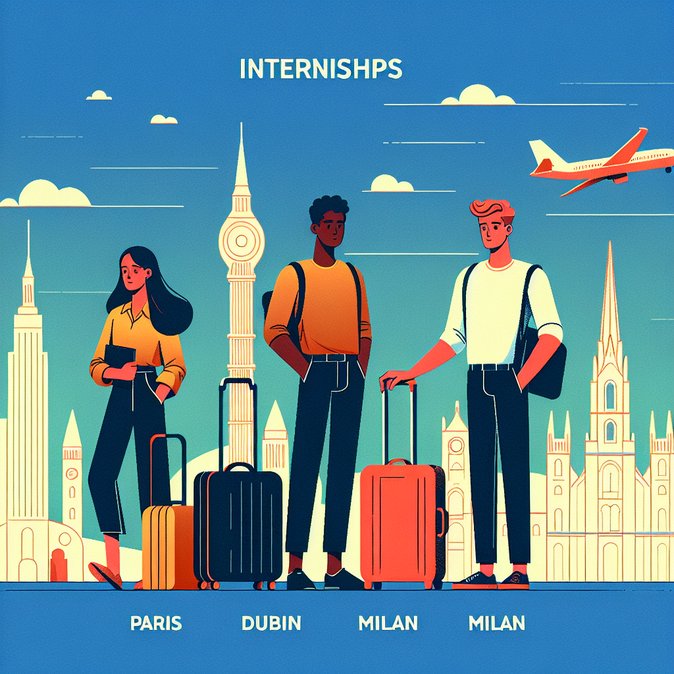
The regional government of La Rioja has opened applications for six Foreign-Action scholarships that will place young graduates in Spain’s commercial offices at embassies in Paris, Dublin, Milan, Casablanca, Lisbon and Düsseldorf during 2026. The programme, updated on 20 December, is financed with €330,000 co-funded by the European Social Fund.
The grants aim to internationalise local talent and support Riojan SMEs seeking export growth. Scholars will handle market research, trade-promotion events and on-the-ground support for companies entering new markets. Candidates must be born in 1995 or later and hold a B2 level of English; applications close on 12 November.
![La Rioja Offers €330k in Scholarships for Placements at Spanish Embassies Abroad]()
For organisations that need quick, reliable visa processing for outgoing scholars or incoming staff, VisaHQ’s online portal (https://www.visahq.com/spain/) can take over the paperwork—securing Spanish, French, German or Irish permits, tracking each application in real time and providing expert support so HR teams stay focused on talent, not red tape.
For global-mobility professionals the scheme offers a pipeline of bilingual junior staff accustomed to cross-border postings – useful in a tight labour market. Companies sponsoring interns can leverage EU funding to offset relocation costs and can test-drive future hires in real-world export roles.
Practical takeaway: HR teams with operations in the listed cities can partner with the programme to secure Spanish-speaking interns who already hold diplomatic-channel visas, reducing onboarding bureaucracy.
The grants aim to internationalise local talent and support Riojan SMEs seeking export growth. Scholars will handle market research, trade-promotion events and on-the-ground support for companies entering new markets. Candidates must be born in 1995 or later and hold a B2 level of English; applications close on 12 November.

For organisations that need quick, reliable visa processing for outgoing scholars or incoming staff, VisaHQ’s online portal (https://www.visahq.com/spain/) can take over the paperwork—securing Spanish, French, German or Irish permits, tracking each application in real time and providing expert support so HR teams stay focused on talent, not red tape.
For global-mobility professionals the scheme offers a pipeline of bilingual junior staff accustomed to cross-border postings – useful in a tight labour market. Companies sponsoring interns can leverage EU funding to offset relocation costs and can test-drive future hires in real-world export roles.
Practical takeaway: HR teams with operations in the listed cities can partner with the programme to secure Spanish-speaking interns who already hold diplomatic-channel visas, reducing onboarding bureaucracy.