Switzerland has released its inaugural Consular Strategy, setting priorities for the 2026-29 period as global risks and citizen mobility continue to rise. The strategy, drafted by the Federal Department of Foreign Affairs (FDFA) and adopted by the Federal Council on 19 December, covers four pillars: prevention, emergency protection, administrative services and visa processing.
Swiss representations abroad already handle about 700,000 visa applications annually, support more than 800,000 Swiss citizens overseas and facilitate over 12 million Swiss trips. The new framework aims to digitalise these services further—leveraging AI for crisis messaging, expanding mobile-first passport renewals and integrating visa-tracking tools—while preserving a human touch for complex cases.
![Switzerland Unveils First-Ever Consular Strategy for 2026-29]()
For travellers who need hands-on assistance with these evolving requirements, VisaHQ can bridge the gap with user-friendly online tools, document-check services and step-by-step support for Swiss visas, including real-time status updates. Interested applicants can explore options at https://www.visahq.com/switzerland/
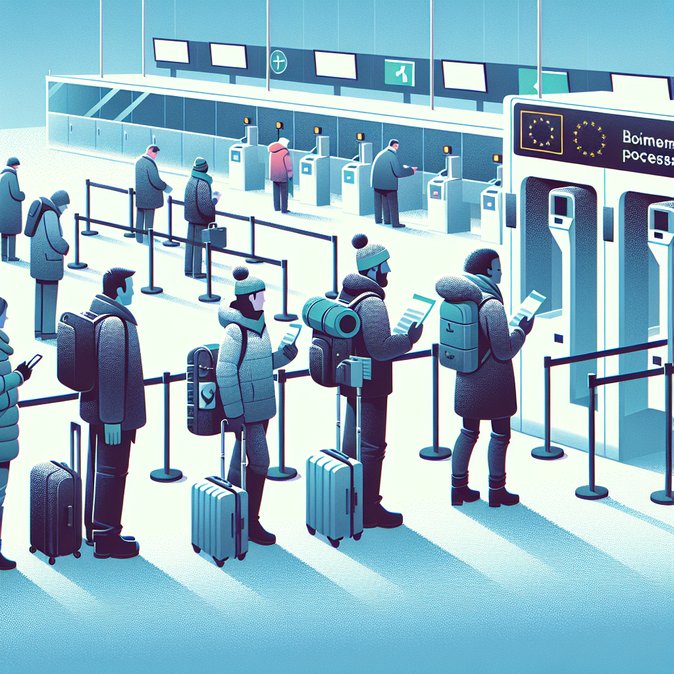
A key feature is enhanced risk-prevention communications, reflecting lessons from the COVID-19 pandemic and recent geopolitical crises. Embassies will issue tailored travel advisories via an opt-in app and upgrade emergency hotlines. Visa sections will pilot biometric kiosks to shorten wait times and feed data into the EU Entry/Exit System.
For employers sending staff abroad, the strategy promises faster document turn-arounds and clearer crisis channels. Industry groups welcomed the plan but urged that fee structures remain competitive versus neighbouring Schengen states.
Swiss representations abroad already handle about 700,000 visa applications annually, support more than 800,000 Swiss citizens overseas and facilitate over 12 million Swiss trips. The new framework aims to digitalise these services further—leveraging AI for crisis messaging, expanding mobile-first passport renewals and integrating visa-tracking tools—while preserving a human touch for complex cases.

For travellers who need hands-on assistance with these evolving requirements, VisaHQ can bridge the gap with user-friendly online tools, document-check services and step-by-step support for Swiss visas, including real-time status updates. Interested applicants can explore options at https://www.visahq.com/switzerland/
A key feature is enhanced risk-prevention communications, reflecting lessons from the COVID-19 pandemic and recent geopolitical crises. Embassies will issue tailored travel advisories via an opt-in app and upgrade emergency hotlines. Visa sections will pilot biometric kiosks to shorten wait times and feed data into the EU Entry/Exit System.
For employers sending staff abroad, the strategy promises faster document turn-arounds and clearer crisis channels. Industry groups welcomed the plan but urged that fee structures remain competitive versus neighbouring Schengen states.