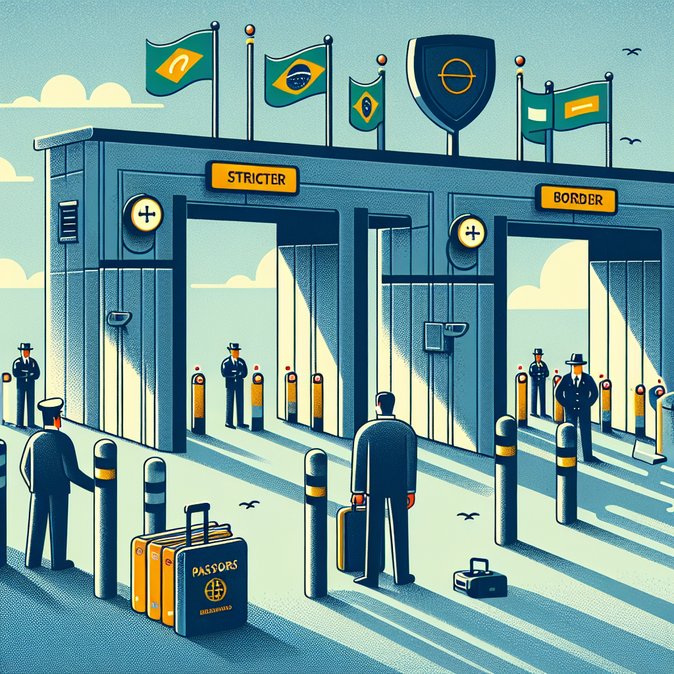
The European Commission’s eighth Visa Suspension Mechanism (VSM) report, released 19 December, singled out Brazil for “moderate risk” status amid rising asylum claims by Brazilians in Spain and Portugal and sluggish progress on readmission agreements. While Brussels praised Brazil’s new digital criminal-record certificates and tighter passport controls, it warned that visa-free travel could be suspended if remedial steps are not taken.
Key recommendations include submitting an action plan by March 2026 detailing how Brasília will curb irregular overstays and connect its API/PNR data feeds to EU databases. Although an actual suspension is considered unlikely, EU consulates are expected to increase document checks and question business travellers more aggressively.
![EU puts Brazil on notice in visa-free compliance report, demands action plan by March 2026]()
For travellers and HR teams seeking extra reassurance as these rules tighten, VisaHQ can coordinate Schengen business-visa submissions, provide up-to-date advice on ETIAS pilot rollouts, and flag any new documentation thresholds in real time. Their Brazil-specific portal (https://www.visahq.com/brazil/) centralises requirements and timelines so companies can keep mobility programmes compliant without adding administrative overhead.
For multinational employers the report is a wake-up call: refusal rates for Brazilian short-term business visas (Schengen C) could edge higher next year, inflating lead times and travel-planning complexity. Companies are advised to track Schengen entry stamps, ensure employees carry invitation letters and prepare for possible pilot schemes requiring pre-travel ETIAS approval sooner than scheduled.
Brazil’s National Immigration Council meets in January to map out compliance measures, including closer cooperation with Europol and public-information campaigns discouraging unfounded asylum applications.
Key recommendations include submitting an action plan by March 2026 detailing how Brasília will curb irregular overstays and connect its API/PNR data feeds to EU databases. Although an actual suspension is considered unlikely, EU consulates are expected to increase document checks and question business travellers more aggressively.

For travellers and HR teams seeking extra reassurance as these rules tighten, VisaHQ can coordinate Schengen business-visa submissions, provide up-to-date advice on ETIAS pilot rollouts, and flag any new documentation thresholds in real time. Their Brazil-specific portal (https://www.visahq.com/brazil/) centralises requirements and timelines so companies can keep mobility programmes compliant without adding administrative overhead.
For multinational employers the report is a wake-up call: refusal rates for Brazilian short-term business visas (Schengen C) could edge higher next year, inflating lead times and travel-planning complexity. Companies are advised to track Schengen entry stamps, ensure employees carry invitation letters and prepare for possible pilot schemes requiring pre-travel ETIAS approval sooner than scheduled.
Brazil’s National Immigration Council meets in January to map out compliance measures, including closer cooperation with Europol and public-information campaigns discouraging unfounded asylum applications.