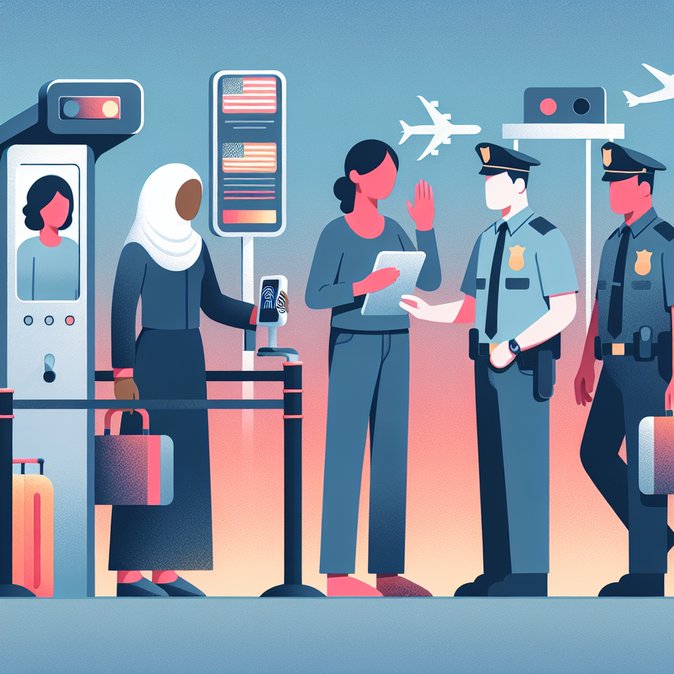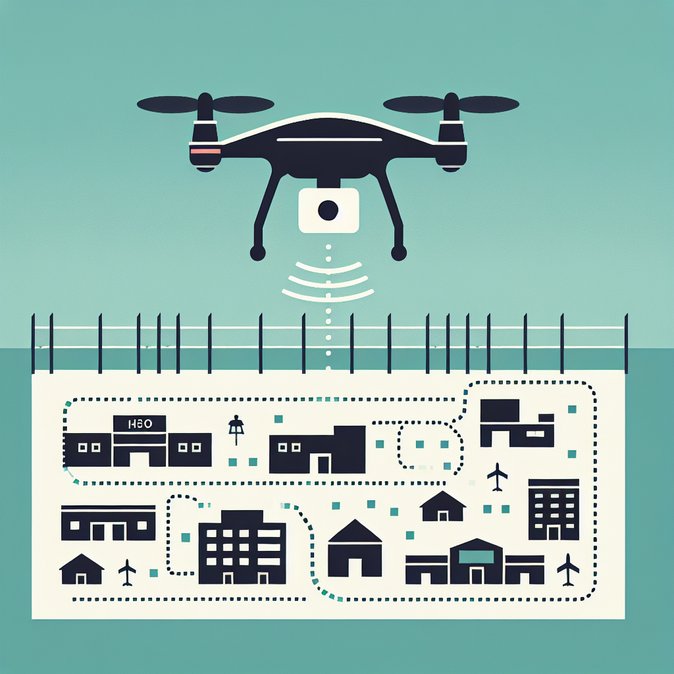
U.S. Customs and Border Protection is accelerating its purchase of human-portable drones to create a real-time surveillance mesh across remote stretches of the southern border, Wired reported December 17. Unlike the costly MQ-9 Predator fleet, the new quad- and fixed-wing systems weigh under 20 pounds, can be launched by a single agent and stream encrypted video to handheld devices. CBP’s FY 2026 technology budget sets aside up to $1.5 billion for drones and counter-drone gear, including thermal cameras and AI-driven object detection.
The shift reflects a strategic pivot toward a “distributed wall” that relies on sensors and airborne robots rather than physical barriers. Drones will plug gaps left by unfinished construction and enable rapid response teams to locate groups traversing deserts or river canyons. Officials say the technology has already cut agent response times by 40% in pilot sectors.
If your organization frequently moves staff or contractors through U.S. ports of entry, VisaHQ can simplify the paperwork and keep you informed about evolving border technologies. Its online platform (https://www.visahq.com/united-states/) streamlines visa processing, delivers status updates, and provides guidance on CBP policy changes—helping travelers avoid unexpected delays that heightened drone surveillance might otherwise cause.
![CBP Deploys Backpack-Size Drones to Build a ‘Distributed Wall’ Along U.S.–Mexico Border]()
Civil-liberties groups counter that CBP’s drone flights routinely stray 30–60 miles beyond border zones, surveilling protests and collecting footage of U.S. citizens without warrants. They warn that data-sharing agreements with local police departments could widen the surveillance net and chill First Amendment activity.
For cross-border companies, expanded aerial monitoring may reduce cargo-truck wait times at ports where agents are redeployed from patrol to processing, but it also increases compliance exposure: trucking firms have already faced fines when drone footage identified drivers ferrying unauthorized passengers.
Businesses sending employees to border facilities should update privacy notices, and technology suppliers should prepare for CBP solicitations that emphasize stealth, endurance and AI analytics, creating opportunities for U.S. defense startups.
The shift reflects a strategic pivot toward a “distributed wall” that relies on sensors and airborne robots rather than physical barriers. Drones will plug gaps left by unfinished construction and enable rapid response teams to locate groups traversing deserts or river canyons. Officials say the technology has already cut agent response times by 40% in pilot sectors.
If your organization frequently moves staff or contractors through U.S. ports of entry, VisaHQ can simplify the paperwork and keep you informed about evolving border technologies. Its online platform (https://www.visahq.com/united-states/) streamlines visa processing, delivers status updates, and provides guidance on CBP policy changes—helping travelers avoid unexpected delays that heightened drone surveillance might otherwise cause.
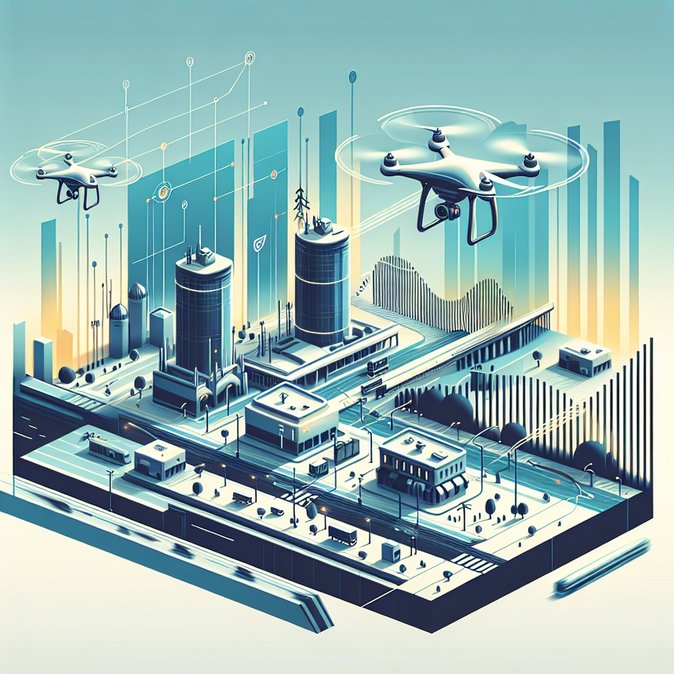
Civil-liberties groups counter that CBP’s drone flights routinely stray 30–60 miles beyond border zones, surveilling protests and collecting footage of U.S. citizens without warrants. They warn that data-sharing agreements with local police departments could widen the surveillance net and chill First Amendment activity.
For cross-border companies, expanded aerial monitoring may reduce cargo-truck wait times at ports where agents are redeployed from patrol to processing, but it also increases compliance exposure: trucking firms have already faced fines when drone footage identified drivers ferrying unauthorized passengers.
Businesses sending employees to border facilities should update privacy notices, and technology suppliers should prepare for CBP solicitations that emphasize stealth, endurance and AI analytics, creating opportunities for U.S. defense startups.