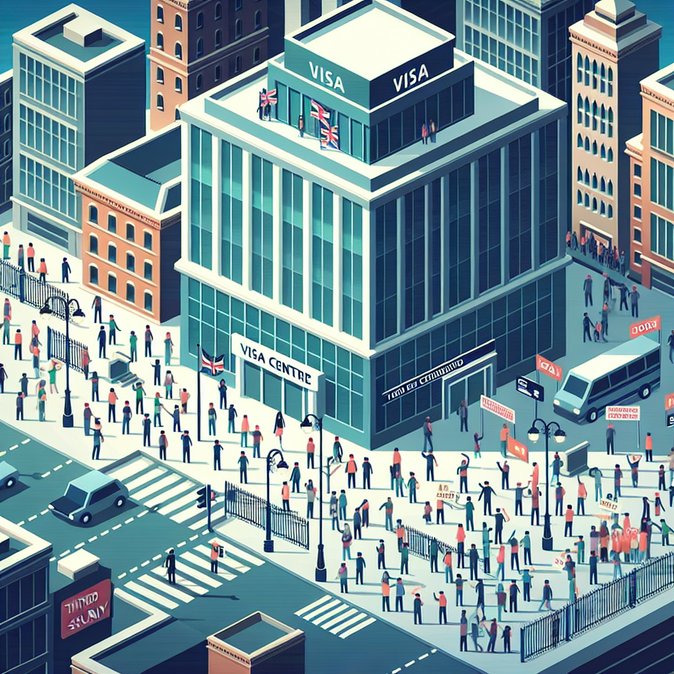
Indian consular operations in Bangladesh were disrupted on 18 December after thousands of protesters rallied near the Indian High Commission in Dhaka, accusing New Delhi of interference in Bangladeshi domestic politics. Citing ‘immediate security concerns’, India shuttered its main visa application centre in the capital for 24 hours and suspended services at two regional centres in Chittagong and Sylhet until further notice.
Bangladeshi police set up barricades and dispersed demonstrators before they reached diplomatic premises, but consular officials opted for caution. The Dhaka centre reopened the next morning with enhanced perimeter controls, restricted visitor slots and mandatory pre-screening of applicants. Visa Application Centre (VAC) operator VFS Global has advised travellers to expect longer appointment backlogs and to monitor its website for rescheduled biometric dates.
The incident underscores how political flashpoints in South Asia can quickly impact mobility flows. Bangladesh is India’s single largest foreign tourist market; more than 1.6 million Bangladeshi nationals visited India for medical care, education or business in 2024-25. Tour operators warn that any protracted disruption could dent winter travel demand and derail elective medical procedures scheduled at hospitals in Kolkata and Chennai.
![Protests in Bangladesh Force Temporary Closure of Indian Visa Centres, Dhaka Office Reopens Under Tight Security]()
For travellers who need to obtain Indian visas amid these uncertainties, VisaHQ’s online portal (https://www.visahq.com/india/) offers a practical workaround by tracking appointment openings, completing paperwork digitally and arranging secure courier submission of passports. The service’s real-time alerts and document validation tools help reduce dependence on in-person visits to temporarily overloaded VACs, providing an extra layer of flexibility until normal operations resume.
Corporate mobility teams moving staff between the two countries should build contingency plans: obtain multi-entry visas in advance, keep digital copies of appointment letters, and be prepared to route urgent travel through the Indian visa desk in Kolkata or the e-Medical visa channel, both of which remain operational.
Diplomatic sources say New Delhi and Dhaka are coordinating closely to prevent a repeat, but further demonstrations cannot be ruled out ahead of Bangladesh’s parliamentary elections in early 2026.
Bangladeshi police set up barricades and dispersed demonstrators before they reached diplomatic premises, but consular officials opted for caution. The Dhaka centre reopened the next morning with enhanced perimeter controls, restricted visitor slots and mandatory pre-screening of applicants. Visa Application Centre (VAC) operator VFS Global has advised travellers to expect longer appointment backlogs and to monitor its website for rescheduled biometric dates.
The incident underscores how political flashpoints in South Asia can quickly impact mobility flows. Bangladesh is India’s single largest foreign tourist market; more than 1.6 million Bangladeshi nationals visited India for medical care, education or business in 2024-25. Tour operators warn that any protracted disruption could dent winter travel demand and derail elective medical procedures scheduled at hospitals in Kolkata and Chennai.

For travellers who need to obtain Indian visas amid these uncertainties, VisaHQ’s online portal (https://www.visahq.com/india/) offers a practical workaround by tracking appointment openings, completing paperwork digitally and arranging secure courier submission of passports. The service’s real-time alerts and document validation tools help reduce dependence on in-person visits to temporarily overloaded VACs, providing an extra layer of flexibility until normal operations resume.
Corporate mobility teams moving staff between the two countries should build contingency plans: obtain multi-entry visas in advance, keep digital copies of appointment letters, and be prepared to route urgent travel through the Indian visa desk in Kolkata or the e-Medical visa channel, both of which remain operational.
Diplomatic sources say New Delhi and Dhaka are coordinating closely to prevent a repeat, but further demonstrations cannot be ruled out ahead of Bangladesh’s parliamentary elections in early 2026.
More From India
View all
India Eases Business Visa Rules and Launches Digital Sponsorship Platform to Attract Foreign (Especially Chinese) Experts
Dense Fog Grounds Flights at Delhi Airport: Over 250 Delays, 22 Cancellations, Airlines Issue Advisories