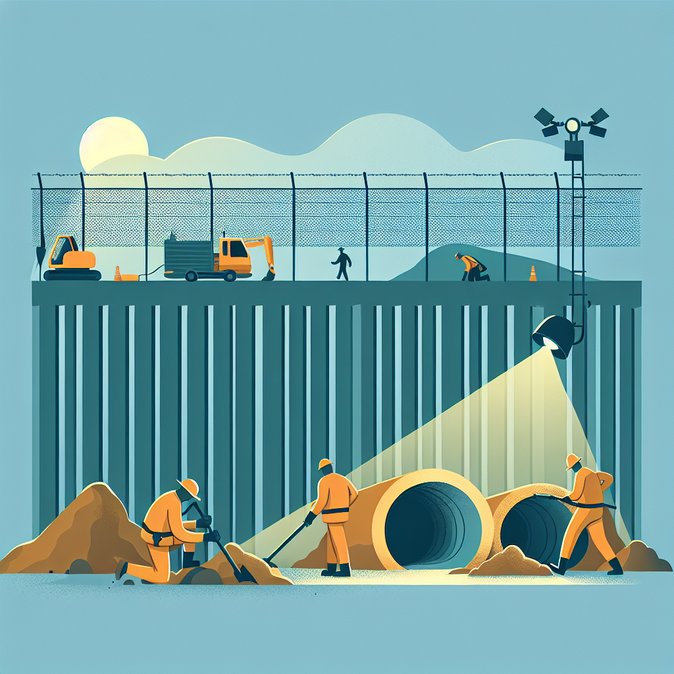
Poland’s defence ministry has taken the highly controversial step of re-starting domestic production of anti-personnel landmines, a weapon it renounced more than 25 years ago. Deputy Defence Minister Paweł Zalewski told Reuters that state-owned manufacturer Belma will be able to turn out up to 1.2 million mines annually—twelve times its current capacity—to reinforce the new ‘East Shield’ line of fortifications along Poland’s 418-kilometre frontier with Belarus and the 210-kilometre stretch bordering Russia’s Kaliningrad exclave. Warsaw’s decision follows its formal notification of withdrawal from the Ottawa Convention; the treaty ban will cease to apply to Poland on 20 February 2026.
Government officials argue that the move is a defensive necessity prompted by Russia’s ongoing war in Ukraine and Minsk’s “hybrid attacks”, which have seen thousands of third-country migrants pushed across the border since 2021. The mines will be laid only on Polish territory, behind the 5.5-metre steel fence erected in 2022, and coupled with remote-controlled de-activation technology, the ministry says. Yet humanitarian groups warn the weapons will inevitably endanger civilians, including local residents and cross-border seasonal workers, and could obstruct future trade corridors.
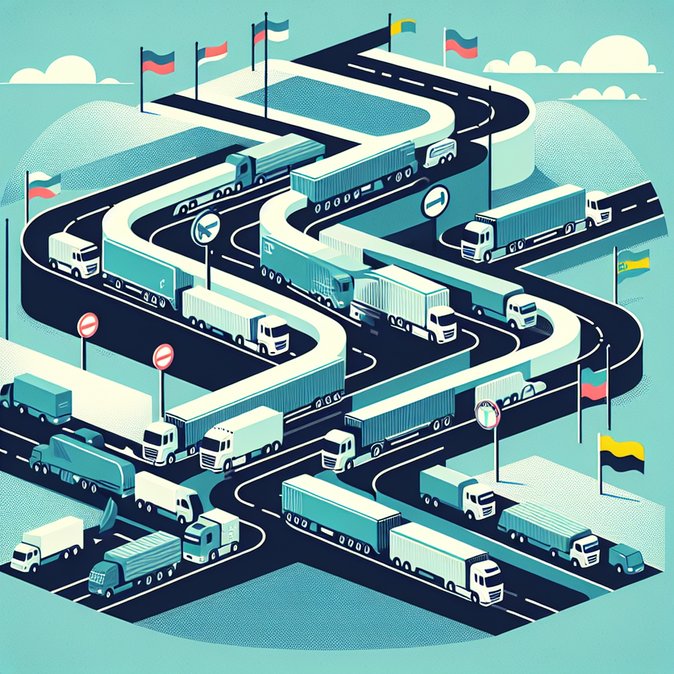
For mobility managers the announcement raises immediate practical questions. Construction of the East Shield earthworks has already reduced the number of authorised crossing points from 15 to nine; additional security zones and unexploded-ordnance surveys are likely to extend journey times for lorries travelling between the Gdańsk seaports and the Baltic States. Companies operating expatriate plants in eastern voivodeships have been advised to review emergency-evacuation plans and check that corporate travel insurance covers landmine risk.
![Poland Authorises Domestic Production of Anti-Personnel Mines for ‘East Shield’ Border Fortifications]()
In this context, VisaHQ’s Poland platform (https://www.visahq.com/poland/) can help organisations and individual travellers stay ahead of shifting documentation rules. The service provides real-time visa updates, electronic application assistance and courier options, ensuring that engineers, auditors and other specialists secure the right permits quickly even as new border checks come into force.
Internationally, the step may trigger copy-cat measures. Lithuania, Latvia, Estonia and Finland have all signalled intentions to follow Poland out of the Ottawa Convention. Should that happen, planners fear a semi-militarised Schengen fringe that complicates everything from leisure tourism to inter-site technician visits. Ukraine, which never signed the treaty, has already asked Warsaw for surplus stock once Poland’s own needs are met.
Long-term, the policy could have regulatory ripple effects. The European Commission is expected to revisit Schengen Borders Code derogations in early 2026; Brussels insiders say landmine deployment might justify “prolonged exceptional border controls”, allowing Poland to maintain spot checks on EU nationals far longer than the current six-month limit. Business travellers should therefore budget extra transit time and expect tighter document scrutiny when entering or exiting Poland’s eastern regions.
Government officials argue that the move is a defensive necessity prompted by Russia’s ongoing war in Ukraine and Minsk’s “hybrid attacks”, which have seen thousands of third-country migrants pushed across the border since 2021. The mines will be laid only on Polish territory, behind the 5.5-metre steel fence erected in 2022, and coupled with remote-controlled de-activation technology, the ministry says. Yet humanitarian groups warn the weapons will inevitably endanger civilians, including local residents and cross-border seasonal workers, and could obstruct future trade corridors.
For mobility managers the announcement raises immediate practical questions. Construction of the East Shield earthworks has already reduced the number of authorised crossing points from 15 to nine; additional security zones and unexploded-ordnance surveys are likely to extend journey times for lorries travelling between the Gdańsk seaports and the Baltic States. Companies operating expatriate plants in eastern voivodeships have been advised to review emergency-evacuation plans and check that corporate travel insurance covers landmine risk.

In this context, VisaHQ’s Poland platform (https://www.visahq.com/poland/) can help organisations and individual travellers stay ahead of shifting documentation rules. The service provides real-time visa updates, electronic application assistance and courier options, ensuring that engineers, auditors and other specialists secure the right permits quickly even as new border checks come into force.
Internationally, the step may trigger copy-cat measures. Lithuania, Latvia, Estonia and Finland have all signalled intentions to follow Poland out of the Ottawa Convention. Should that happen, planners fear a semi-militarised Schengen fringe that complicates everything from leisure tourism to inter-site technician visits. Ukraine, which never signed the treaty, has already asked Warsaw for surplus stock once Poland’s own needs are met.
Long-term, the policy could have regulatory ripple effects. The European Commission is expected to revisit Schengen Borders Code derogations in early 2026; Brussels insiders say landmine deployment might justify “prolonged exceptional border controls”, allowing Poland to maintain spot checks on EU nationals far longer than the current six-month limit. Business travellers should therefore budget extra transit time and expect tighter document scrutiny when entering or exiting Poland’s eastern regions.