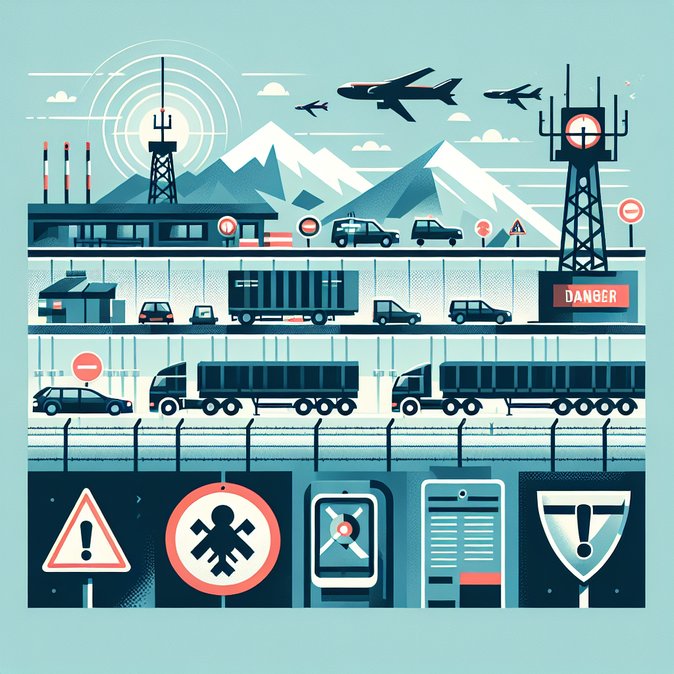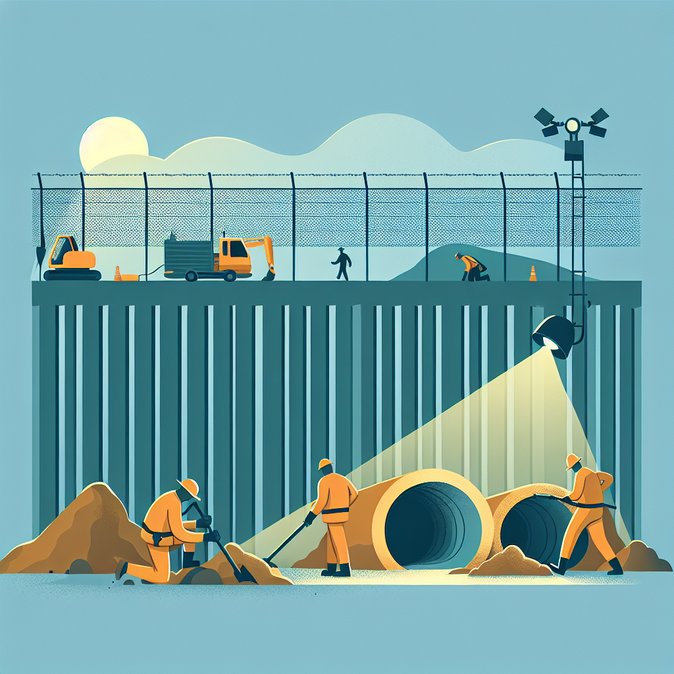
Poland’s Interior Ministry has revealed that four clandestine tunnels have been discovered this year running beneath its heavily fortified border with Belarus, the most recent near the village of Narewka. Officials claim that “specialists from the Middle East” were flown into Belarus expressly to construct the passages, allowing small groups of migrants to bypass the 5-metre steel fence and avoid border-guard patrols.
The tunnels—about 1.5 metres high and extending up to 60 metres—underscore the evolving cat-and-mouse game Warsaw faces since Minsk began funnelling third-country migrants toward the EU in 2021. Drone surveillance and ground-penetrating radar are now being expanded, while the defence ministry plans to embed seismic sensors in high-risk sectors of the ‘East Shield’ barrier.
For travellers and corporate mobility managers, staying ahead of ever-shifting entry regulations is equally critical. VisaHQ’s Poland portal (https://www.visahq.com/poland/) provides up-to-date guidance on visa requirements, border-area advisories, and document procurement, allowing companies to re-route personnel or adjust itineraries at short notice while ensuring full compliance with Schengen and national rules.
![Poland Accuses ‘Middle-East Specialists’ of Digging Smuggling Tunnels Under Belarus Border]()
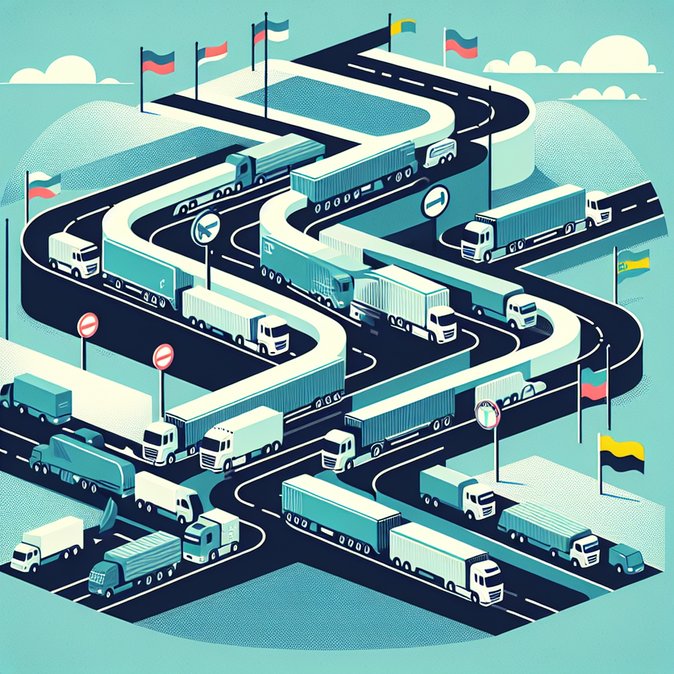
For global mobility programmes the security escalation has tangible effects. Freight forwarders have reported temporary closures of the Bobrowniki and Kuźnica crossings during tunnel inspections, forcing commercial trucks onto longer routes through Lithuania. Tour operators have cancelled Białowieża-Forest excursions that skirt the exclusion zone, citing insurance restrictions.
Diplomatically, Warsaw has briefed NATO partners and is pressing the European Commission for emergency funds to harden critical sections of the border. Belarus dismisses the allegations as “fabrications”, while human-rights NGOs caution that intensified militarisation risks pushing migrants toward even more dangerous crossings, including mined areas once Poland’s new landmine policy takes effect.
Employers with staff in border counties are advised to monitor local-authority notices, review travel-security protocols and ensure that posted workers carry both digital and paper ID copies in case of spot checks.
The tunnels—about 1.5 metres high and extending up to 60 metres—underscore the evolving cat-and-mouse game Warsaw faces since Minsk began funnelling third-country migrants toward the EU in 2021. Drone surveillance and ground-penetrating radar are now being expanded, while the defence ministry plans to embed seismic sensors in high-risk sectors of the ‘East Shield’ barrier.
For travellers and corporate mobility managers, staying ahead of ever-shifting entry regulations is equally critical. VisaHQ’s Poland portal (https://www.visahq.com/poland/) provides up-to-date guidance on visa requirements, border-area advisories, and document procurement, allowing companies to re-route personnel or adjust itineraries at short notice while ensuring full compliance with Schengen and national rules.
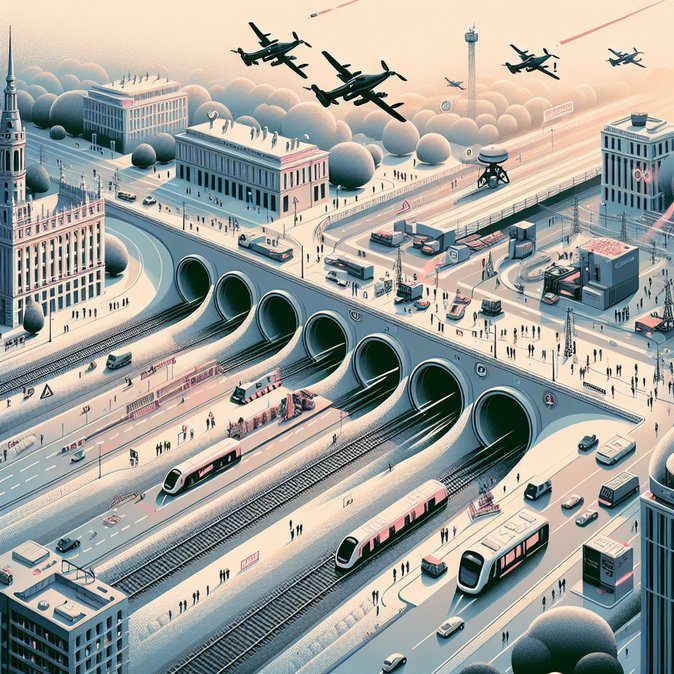
For global mobility programmes the security escalation has tangible effects. Freight forwarders have reported temporary closures of the Bobrowniki and Kuźnica crossings during tunnel inspections, forcing commercial trucks onto longer routes through Lithuania. Tour operators have cancelled Białowieża-Forest excursions that skirt the exclusion zone, citing insurance restrictions.
Diplomatically, Warsaw has briefed NATO partners and is pressing the European Commission for emergency funds to harden critical sections of the border. Belarus dismisses the allegations as “fabrications”, while human-rights NGOs caution that intensified militarisation risks pushing migrants toward even more dangerous crossings, including mined areas once Poland’s new landmine policy takes effect.
Employers with staff in border counties are advised to monitor local-authority notices, review travel-security protocols and ensure that posted workers carry both digital and paper ID copies in case of spot checks.