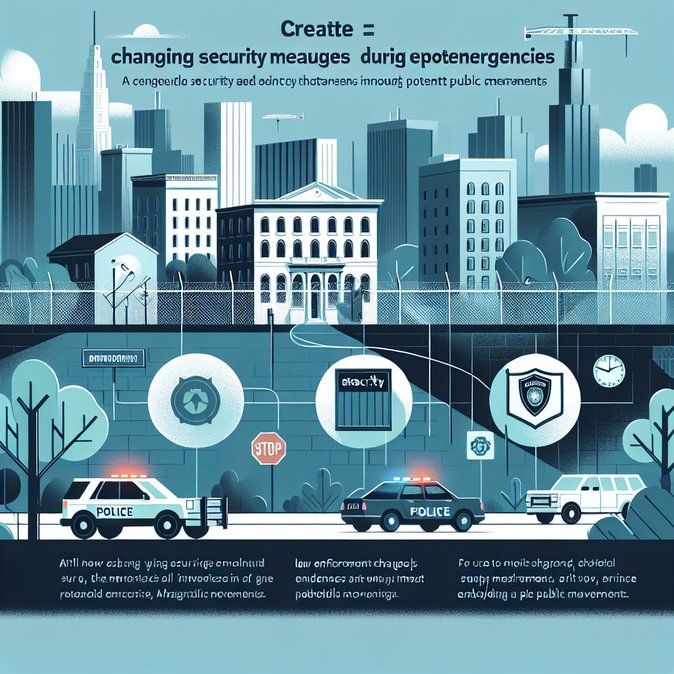
New South Wales Premier Chris Minns announced on 17 December that state parliament will be recalled in January to legislate temporary protest bans during declared terrorism incidents. The draft bill would let the police commissioner refuse permits for gatherings deemed to stretch resources or threaten public cohesion, a direct response to concerns that large pro-Palestinian rallies could inflame tensions after the Bondi massacre.
Although the proposal is framed as a public-order measure, civil-liberties groups argue it risks criminalising peaceful assembly and unfairly targeting migrant communities. The Palestine Action Group labelled it “collective punishment”, noting that previous marches had been overwhelmingly peaceful. The NSW Council for Civil Liberties warned that suppressing demonstrations could fuel radicalisation rather than prevent violence.
For international assignees and business travellers the practical impact would be heightened security around Sydney’s CBD and potential transport disruptions if protests are cancelled at short notice. Corporate-security teams may need to update travel-risk briefings and monitor police advisories, especially during holiday peak periods when visitor numbers surge.
![NSW moves to give police power to block mass protests during terror alerts]()
VisaHQ’s Sydney-based specialists can help companies and individual travellers stay compliant if new security measures lead to revised documentation checks at the border. Through its online portal (https://www.visahq.com/australia/), the service provides real-time updates on Australian visa requirements, application support, and customised alerts that dovetail neatly with corporate travel-risk protocols.
The move also adds momentum to a broader push for stronger vetting of overseas speakers and religious workers—Home Affairs is reportedly considering lower character thresholds for short-stay activity visas. If enacted, NSW’s legislation could become a template for other jurisdictions, further intertwining security policy with mobility considerations.
Stakeholders have until early January to provide feedback, but the government holds a majority in the lower house and has indicated it is willing to use extraordinary sitting days to pass the bill quickly.
Although the proposal is framed as a public-order measure, civil-liberties groups argue it risks criminalising peaceful assembly and unfairly targeting migrant communities. The Palestine Action Group labelled it “collective punishment”, noting that previous marches had been overwhelmingly peaceful. The NSW Council for Civil Liberties warned that suppressing demonstrations could fuel radicalisation rather than prevent violence.
For international assignees and business travellers the practical impact would be heightened security around Sydney’s CBD and potential transport disruptions if protests are cancelled at short notice. Corporate-security teams may need to update travel-risk briefings and monitor police advisories, especially during holiday peak periods when visitor numbers surge.

VisaHQ’s Sydney-based specialists can help companies and individual travellers stay compliant if new security measures lead to revised documentation checks at the border. Through its online portal (https://www.visahq.com/australia/), the service provides real-time updates on Australian visa requirements, application support, and customised alerts that dovetail neatly with corporate travel-risk protocols.
The move also adds momentum to a broader push for stronger vetting of overseas speakers and religious workers—Home Affairs is reportedly considering lower character thresholds for short-stay activity visas. If enacted, NSW’s legislation could become a template for other jurisdictions, further intertwining security policy with mobility considerations.
Stakeholders have until early January to provide feedback, but the government holds a majority in the lower house and has indicated it is willing to use extraordinary sitting days to pass the bill quickly.