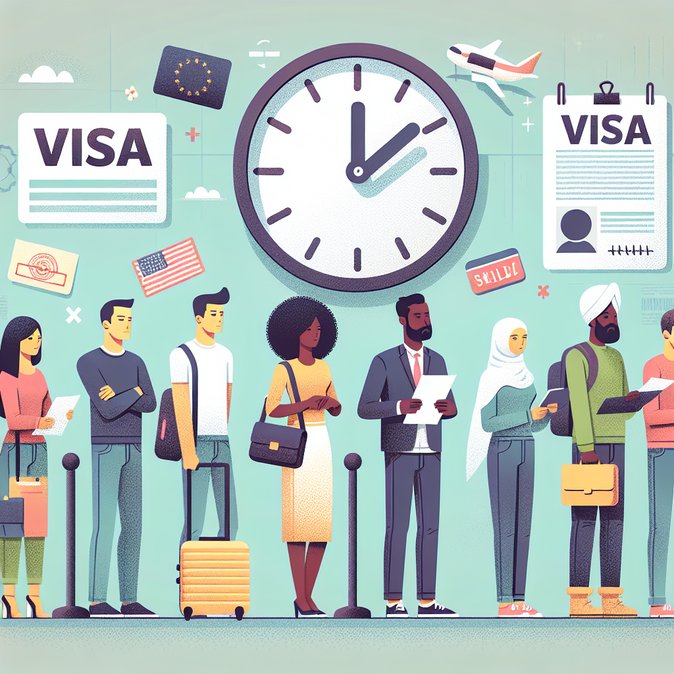
Migration agents are reporting the worst December backlogs since before the pandemic, according to a 17 December analysis by Visa & Immigrations. While end-of-year slow-downs are routine, 2025’s queues are being compounded by the cumulative effect of student-visa integrity reforms, narrower skilled-migration priorities and reduced state-nomination quotas.
Home Affairs officials confirm that staffing levels dip by up to 20 per cent in the fortnight before Christmas as experienced case-officers take annual leave. At the same time, application volumes spike as applicants aim for January–March course commencements and hiring cycles.
Amid these growing delays, travellers and employers can simplify their paperwork through VisaHQ, which provides up-to-date guidance on Australian visa requirements and an online portal that tracks every stage of an application (https://www.visahq.com/australia/). By pre-checking forms and supporting documents, VisaHQ helps applicants lodge decision-ready files, reducing the risk of further slow-downs.
![Holiday crunch and policy shifts slow Australian visa processing in December 2025]()
The implementation of Ministerial Direction 115 in November has re-ordered the student-visa queue, pushing non-priority providers into longer timeframes—now five to eight weeks offshore versus one to four for Tier 1 institutions.
Skilled-migration categories face their own bottlenecks. The latest SkillSelect invitation round focused heavily on healthcare and construction occupations, leaving IT and finance professionals waiting multiple months for invitations. Subclass 189 median finalisation has blown out to 17 months, while partner visas continue to exceed two years in 90 per cent of cases.
Employers are responding by front-loading documentation, budgeting for higher priority-processing fees where available and, in some cases, moving talent via alternative pathways (e.g., Temporary Activity Subclass 408) before converting to the new Skills-in-Demand visa. Universities are urging prospective students to lodge by mid-October to avoid missing semester-one orientations.
The Department of Home Affairs says processing times will normalise by late February but acknowledges that layered policy changes are likely to keep overall service standards below 2023 levels through most of 2026.
Home Affairs officials confirm that staffing levels dip by up to 20 per cent in the fortnight before Christmas as experienced case-officers take annual leave. At the same time, application volumes spike as applicants aim for January–March course commencements and hiring cycles.
Amid these growing delays, travellers and employers can simplify their paperwork through VisaHQ, which provides up-to-date guidance on Australian visa requirements and an online portal that tracks every stage of an application (https://www.visahq.com/australia/). By pre-checking forms and supporting documents, VisaHQ helps applicants lodge decision-ready files, reducing the risk of further slow-downs.

The implementation of Ministerial Direction 115 in November has re-ordered the student-visa queue, pushing non-priority providers into longer timeframes—now five to eight weeks offshore versus one to four for Tier 1 institutions.
Skilled-migration categories face their own bottlenecks. The latest SkillSelect invitation round focused heavily on healthcare and construction occupations, leaving IT and finance professionals waiting multiple months for invitations. Subclass 189 median finalisation has blown out to 17 months, while partner visas continue to exceed two years in 90 per cent of cases.
Employers are responding by front-loading documentation, budgeting for higher priority-processing fees where available and, in some cases, moving talent via alternative pathways (e.g., Temporary Activity Subclass 408) before converting to the new Skills-in-Demand visa. Universities are urging prospective students to lodge by mid-October to avoid missing semester-one orientations.
The Department of Home Affairs says processing times will normalise by late February but acknowledges that layered policy changes are likely to keep overall service standards below 2023 levels through most of 2026.