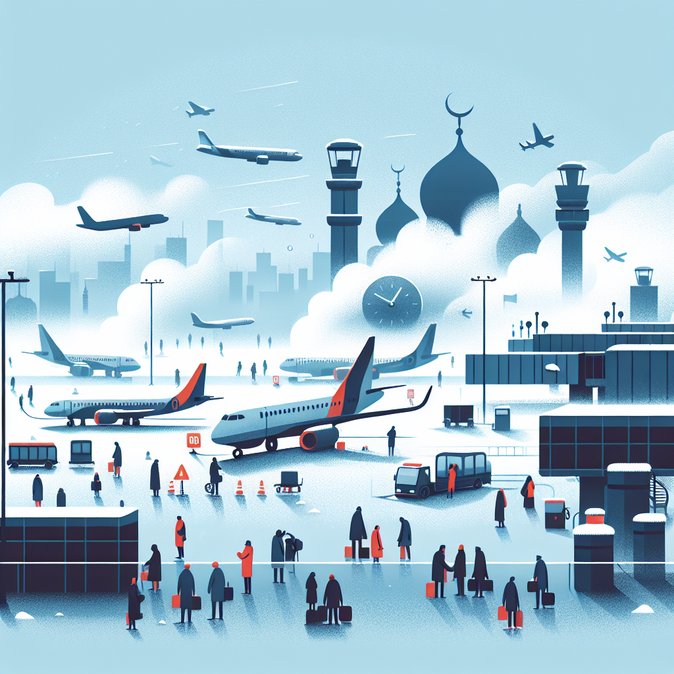
A severe bout of winter fog swept across North and central India overnight on 15-16 December, plunging visibility at Delhi’s Indira Gandhi International (IGI) Airport to near-zero for several hours. Airport officials said 228 departures and arrivals were cancelled and more than 800 delayed, stranding thousands of travellers inside the terminals and forcing airlines to divert aircraft to alternate airports such as Jaipur and Ahmedabad.
The disruption rippled through the entire domestic network. IndiGo – India’s largest carrier – scrubbed more than 50 flights system-wide and issued an early-morning travel advisory asking passengers not to proceed to the airport without reconfirming flight status. Vistara, Air India and SpiceJet followed suit, warning of rolling delays through the day as operations “steadily recovered” once visibility improved.
IGI’s CAT-III-B instrument-landing system can technically handle operations down to 50 metres of runway visual range, but airline officials said crew availability, gate gridlock and knock-on delays at other airports made large-scale cancellations unavoidable. Rail services into the capital were also delayed, compounding the travel chaos for business travellers heading to Monday meetings.
![Dense fog cripples North India’s aviation hubs, 220+ flights cancelled at Delhi IGI alone]()
During such unpredictable disruptions, travellers may find themselves rerouting through third countries or extending their stays, which can trigger sudden visa requirements. VisaHQ’s online platform (https://www.visahq.com/india/) lets passengers and corporate travel planners instantly check entry rules and secure emergency e-visas or transit permits within hours, easing one major headache while they juggle changing flight schedules.
For corporate mobility managers, the episode is a reminder to keep contingency buffers in winter travel policies for North India. Companies with tight project timelines should book flexible fares or consider routing critical staff through Bengaluru, Hyderabad or Mumbai, where visibility remained above minima. Travellers holding meetings in Gurgaon’s cyber-hub were advised to switch to virtual appointments or re-time flights for mid-afternoon slots when fog typically lifts.
The India Meteorological Department has forecast another dense-fog spell later this week. Airlines have started pre-cancelling select early-morning departures to reduce same-day disruption. Mobility teams should push out real-time alerts and encourage executives to allow at least a six-hour buffer when connecting to onward international flights.
The disruption rippled through the entire domestic network. IndiGo – India’s largest carrier – scrubbed more than 50 flights system-wide and issued an early-morning travel advisory asking passengers not to proceed to the airport without reconfirming flight status. Vistara, Air India and SpiceJet followed suit, warning of rolling delays through the day as operations “steadily recovered” once visibility improved.
IGI’s CAT-III-B instrument-landing system can technically handle operations down to 50 metres of runway visual range, but airline officials said crew availability, gate gridlock and knock-on delays at other airports made large-scale cancellations unavoidable. Rail services into the capital were also delayed, compounding the travel chaos for business travellers heading to Monday meetings.

During such unpredictable disruptions, travellers may find themselves rerouting through third countries or extending their stays, which can trigger sudden visa requirements. VisaHQ’s online platform (https://www.visahq.com/india/) lets passengers and corporate travel planners instantly check entry rules and secure emergency e-visas or transit permits within hours, easing one major headache while they juggle changing flight schedules.
For corporate mobility managers, the episode is a reminder to keep contingency buffers in winter travel policies for North India. Companies with tight project timelines should book flexible fares or consider routing critical staff through Bengaluru, Hyderabad or Mumbai, where visibility remained above minima. Travellers holding meetings in Gurgaon’s cyber-hub were advised to switch to virtual appointments or re-time flights for mid-afternoon slots when fog typically lifts.
The India Meteorological Department has forecast another dense-fog spell later this week. Airlines have started pre-cancelling select early-morning departures to reduce same-day disruption. Mobility teams should push out real-time alerts and encourage executives to allow at least a six-hour buffer when connecting to onward international flights.