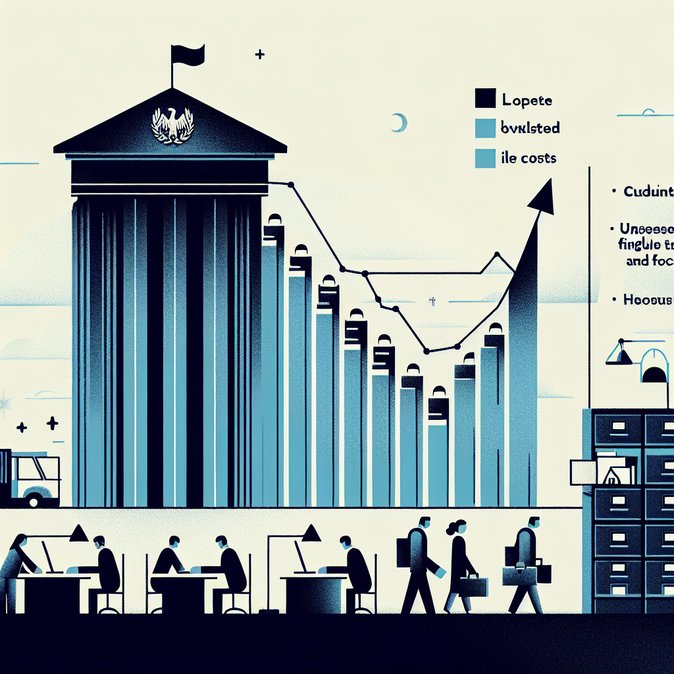
Ireland’s International Protection Appeals Tribunal (IPAT) is facing its heaviest workload since it was created in 2016, according to figures highlighted on 15 December. Appeals against negative asylum decisions almost doubled from 4,775 in 2023 to 8,835 in 2024—an 85 % jump—while more than 2,000 new appeals were lodged in the first two months of 2025 alone.
NGO Doras warned that the surge risks leaving thousands of people in limbo, dependent on State accommodation and unable to work. CEO John Lannon said fast-track procedures for applicants from 15 so-called “safe countries” are contributing to errors that later have to be corrected on appeal. Almost two-thirds of first-instance asylum claims were refused last year, but 30 % of those rejections were subsequently overturned, suggesting quality-control issues.
Amid this complex and fast-changing panorama, VisaHQ’s Ireland specialists can assist employers, mobility teams and individual travellers with up-to-date visa, work-permit and residency guidance, helping them remain compliant as regulations tighten. For tailored advice and online processing tools, visit https://www.visahq.com/ireland/
![Asylum-appeal caseload soars 85 % as protection tribunal struggles with record backlog]()
The Department of Justice admits that application volumes have grown sharply since the pandemic and says extra adjudicators are being hired. Yet mobility practitioners note that prolonged appeals inflate Direct Provision costs and fuel political debate that could spill over into skilled-migration policy.
Employers sponsoring non-EEA talent should brace for a more polarised environment in 2026 as the Government balances labour-market needs with public concern over asylum backlogs. HR teams may need to provide clearer messaging to staff relocating with family members about Ireland’s distinct routes for protection applicants versus work-permit holders.
In the medium term, attorneys expect the forthcoming Migration Reform Bill to streamline appeals and introduce stricter admissibility rules—changes that could reduce the caseload but also heighten compliance risks for overstayers.
NGO Doras warned that the surge risks leaving thousands of people in limbo, dependent on State accommodation and unable to work. CEO John Lannon said fast-track procedures for applicants from 15 so-called “safe countries” are contributing to errors that later have to be corrected on appeal. Almost two-thirds of first-instance asylum claims were refused last year, but 30 % of those rejections were subsequently overturned, suggesting quality-control issues.
Amid this complex and fast-changing panorama, VisaHQ’s Ireland specialists can assist employers, mobility teams and individual travellers with up-to-date visa, work-permit and residency guidance, helping them remain compliant as regulations tighten. For tailored advice and online processing tools, visit https://www.visahq.com/ireland/

The Department of Justice admits that application volumes have grown sharply since the pandemic and says extra adjudicators are being hired. Yet mobility practitioners note that prolonged appeals inflate Direct Provision costs and fuel political debate that could spill over into skilled-migration policy.
Employers sponsoring non-EEA talent should brace for a more polarised environment in 2026 as the Government balances labour-market needs with public concern over asylum backlogs. HR teams may need to provide clearer messaging to staff relocating with family members about Ireland’s distinct routes for protection applicants versus work-permit holders.
In the medium term, attorneys expect the forthcoming Migration Reform Bill to streamline appeals and introduce stricter admissibility rules—changes that could reduce the caseload but also heighten compliance risks for overstayers.
More From Ireland
View all
Dublin transport meltdown after M50 truck fire and rail signal failure snarls city and airport access
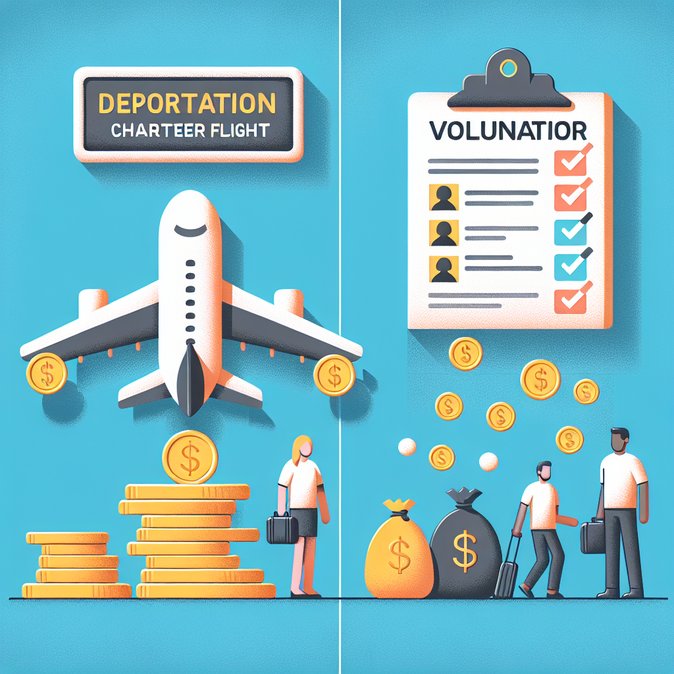
€325k charter flights for deportations spark public fury and push for cheaper voluntary returns