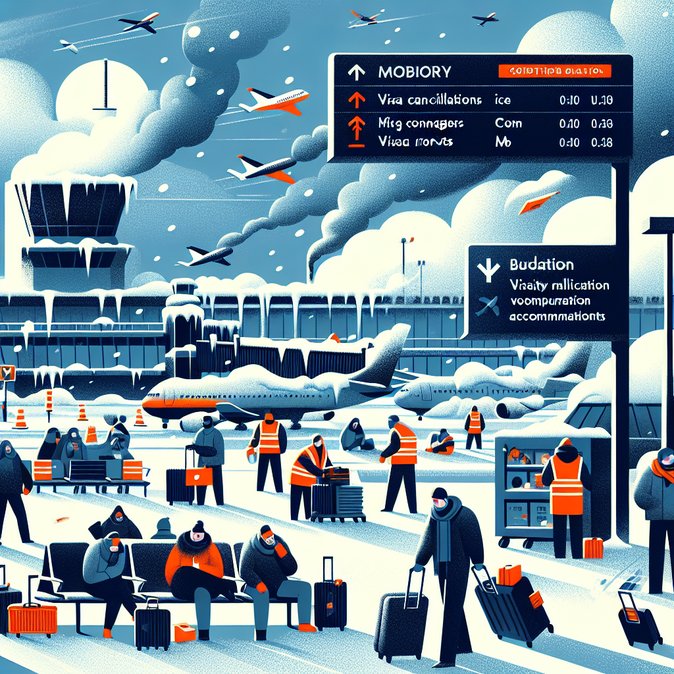
A severe snow-and-ice front that swept across central Europe on 13 December continues to ripple through flight operations at Zurich Airport, according to data published on 15 December and reported on 16 December. The hub logged 17 outright cancellations and 208 delays, compressing already tight turn-around windows as airlines position aircraft for the holiday peak.
Flag-carrier SWISS confirmed that long-haul arrivals from New York and Bangkok landed several hours late, forcing knock-on delays to onward European connections. Cargo stakeholders are equally jittery: Zurich handles a significant share of Switzerland’s time-critical pharmaceutical exports, and even short disruptions can jeopardise cold-chain integrity.
![Winter Storm Causes 17 Cancellations and 208 Delays at Zurich Airport]()
Airport management has requested ad-hoc slot relief through 16 December, allowing carriers to adjust schedules without losing coveted slots. Travellers rerouted via Munich or Milan are reminded that their first Schengen entry point—not their final Swiss destination—determines visa compliance checks. Mobility advisers therefore recommend carrying invitation letters, insurance proof and accommodation confirmations to avoid secondary-inspection delays.
For passengers suddenly rerouted and unsure about visa validity, VisaHQ offers a fast online check of Schengen entry requirements alongside end-to-end application support. Its Switzerland portal (https://www.visahq.com/switzerland/) can generate invitation letters, organise courier submissions and flag missing documents, reducing stress when winter schedules unravel.
Looking ahead, Zurich plans to commission new de-icing pads and a high-resolution weather radar in 2026, investments designed to improve resilience after several consecutive winters of operational challenges. In the meantime corporate travel teams are budgeting for potential EU 261 compensation, securing hotel contingencies and advising staff to build longer layovers into intercontinental itineraries.
Flag-carrier SWISS confirmed that long-haul arrivals from New York and Bangkok landed several hours late, forcing knock-on delays to onward European connections. Cargo stakeholders are equally jittery: Zurich handles a significant share of Switzerland’s time-critical pharmaceutical exports, and even short disruptions can jeopardise cold-chain integrity.

Airport management has requested ad-hoc slot relief through 16 December, allowing carriers to adjust schedules without losing coveted slots. Travellers rerouted via Munich or Milan are reminded that their first Schengen entry point—not their final Swiss destination—determines visa compliance checks. Mobility advisers therefore recommend carrying invitation letters, insurance proof and accommodation confirmations to avoid secondary-inspection delays.
For passengers suddenly rerouted and unsure about visa validity, VisaHQ offers a fast online check of Schengen entry requirements alongside end-to-end application support. Its Switzerland portal (https://www.visahq.com/switzerland/) can generate invitation letters, organise courier submissions and flag missing documents, reducing stress when winter schedules unravel.
Looking ahead, Zurich plans to commission new de-icing pads and a high-resolution weather radar in 2026, investments designed to improve resilience after several consecutive winters of operational challenges. In the meantime corporate travel teams are budgeting for potential EU 261 compensation, securing hotel contingencies and advising staff to build longer layovers into intercontinental itineraries.