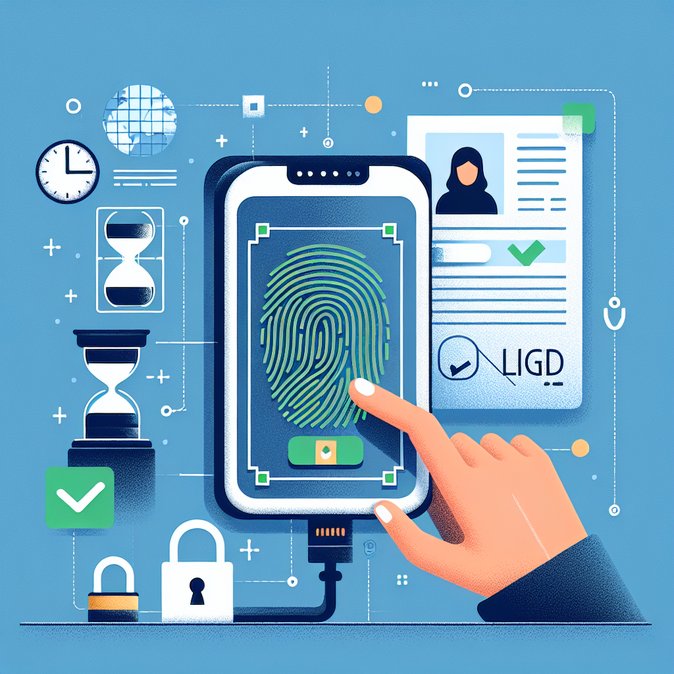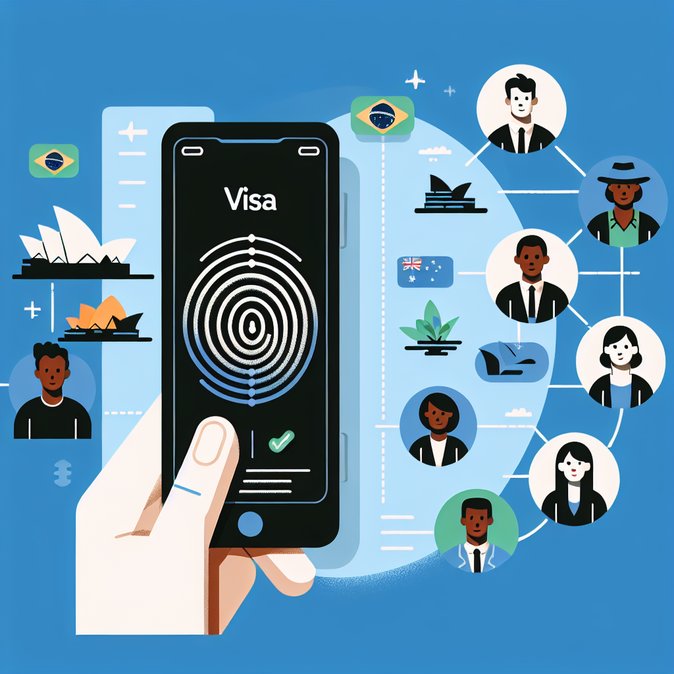
In a move welcomed by Brazilian tech firms and project-based contractors, Australia’s Department of Home Affairs quietly added Brazil and 33 other jurisdictions to its mobile-biometrics ‘Immi App’ on 14 December. The update lets Brazilian nationals lodge passport scans and live facial-recognition checks via smartphone instead of visiting an outsourced visa application centre (VAC), a common bottleneck for students and short-term assignees in Rio and São Paulo.
Home Affairs says the change can shave up to three weeks off end-to-end processing for Visitor, Student, Working-Holiday and the new Skills-in-Demand (SID) visas. Early corporate adopters include mining majors in Perth and fintech start-ups in Sydney, which rely on Brazilian engineers for time-sensitive projects.
For Brazilian travelers still getting acquainted with the new process, VisaHQ’s Brazil portal (https://www.visahq.com/brazil/) offers step-by-step guidance, automatic document checks, and real-time tracking of Immi App submissions, making it easier for students, holiday-makers, and project hires to stay compliant and avoid delays.
![Australia’s Mobile-Biometrics ‘Immi App’ Goes Live for Brazilian Applicants, Slashing Visa Processing Times]()
The upgrade comes as Australia races to restore pre-pandemic processing speeds and woo Latin American talent amid a tight labour market. Brazilian demand is significant: pre-Covid figures show more than 28,000 Brazilian students in Australia at any one time, and Brazilian professionals fill key gaps in hospitality, IT and engineering. Faster digital lodgement reduces travel costs for biometric capture (previously available only in Buenos Aires or Santiago for some applicants) and lessens the risk of appointment-slot shortages during university enrolment peaks.
From a compliance standpoint, employers must still ensure identity integrity. The Immi App uses the same facial-matching algorithm deployed at Australian e-gates and stores encrypted data on servers audited under the Australian Signals Directorate’s ‘protected’ standard. Home Affairs confirms that biometrics collected via the app are automatically purged after 14 days if an application is withdrawn or refused, addressing earlier privacy concerns.
Mobility advisers suggest updating assignment letters to reflect the new process, budgeting for the reduced fee (A$36 for in-app capture versus A$53 at VACs) and reminding travellers that the digital option is voluntary; traditional VAC appointments remain available for those uncomfortable with mobile submission.
Home Affairs says the change can shave up to three weeks off end-to-end processing for Visitor, Student, Working-Holiday and the new Skills-in-Demand (SID) visas. Early corporate adopters include mining majors in Perth and fintech start-ups in Sydney, which rely on Brazilian engineers for time-sensitive projects.
For Brazilian travelers still getting acquainted with the new process, VisaHQ’s Brazil portal (https://www.visahq.com/brazil/) offers step-by-step guidance, automatic document checks, and real-time tracking of Immi App submissions, making it easier for students, holiday-makers, and project hires to stay compliant and avoid delays.

The upgrade comes as Australia races to restore pre-pandemic processing speeds and woo Latin American talent amid a tight labour market. Brazilian demand is significant: pre-Covid figures show more than 28,000 Brazilian students in Australia at any one time, and Brazilian professionals fill key gaps in hospitality, IT and engineering. Faster digital lodgement reduces travel costs for biometric capture (previously available only in Buenos Aires or Santiago for some applicants) and lessens the risk of appointment-slot shortages during university enrolment peaks.
From a compliance standpoint, employers must still ensure identity integrity. The Immi App uses the same facial-matching algorithm deployed at Australian e-gates and stores encrypted data on servers audited under the Australian Signals Directorate’s ‘protected’ standard. Home Affairs confirms that biometrics collected via the app are automatically purged after 14 days if an application is withdrawn or refused, addressing earlier privacy concerns.
Mobility advisers suggest updating assignment letters to reflect the new process, budgeting for the reduced fee (A$36 for in-app capture versus A$53 at VACs) and reminding travellers that the digital option is voluntary; traditional VAC appointments remain available for those uncomfortable with mobile submission.