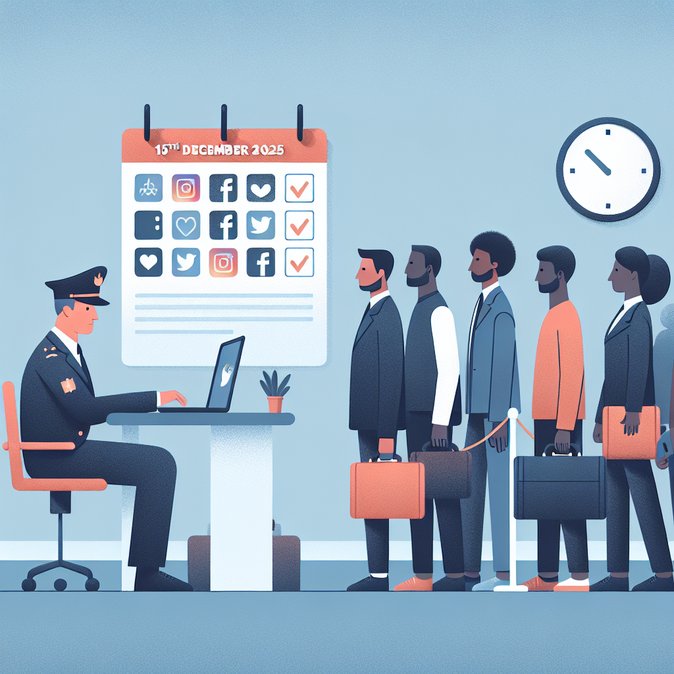
The Department of Homeland Security (DHS) has quietly published a draft regulation that would compel nationals of all 42 Visa Waiver Program (VWP) countries to list the social-media handles they have used during the past five years when applying for Electronic System for Travel Authorization (ESTA) clearance. The proposal—slated to take effect on 8 February 2026 after a 60-day comment period—would also require applicants to supply every e-mail address used in the past decade, together with extensive biographic information on parents, siblings, spouses and children. Officials say the expanded vetting is necessary to “screen to the maximum degree” in line with a Trump executive order issued on 20 January, but they concede it will add roughly 30 minutes to each application.
Travel-industry leaders reacted swiftly. The U.S. Travel Association warned that the “intrusive” data grab could deter up to three million high-spending visitors a year—a US $7 billion hit to domestic tourism just as the industry is banking on the 2026 FIFA World Cup to revive visitor numbers. European officials said they are reviewing “reciprocal measures,” raising the specter of additional hurdles for U.S. business travelers heading to the EU.
![U.S. proposes mandatory social-media disclosure for Visa Waiver travelers]()
Amid this shifting landscape, third-party facilitators such as VisaHQ can smooth the path. Through its U.S. portal (https://www.visahq.com/united-states/), the service tracks regulatory updates in real time and lets applicants securely organize social-media accounts, past e-mail addresses, and required family details before they start an ESTA application—reducing errors and helping travelers submit complete, compliant filings on the first try.
From a compliance standpoint, multinational employers must alert frequent travelers who rely on visa-free entry that their digital footprint will soon be scrutinized. Companies should update data-privacy notices, advise executives to purge sensitive material, and prepare for longer ESTA processing times that could disrupt short-notice trips. Immigration counsel also recommend auditing corporate social-media policies to ensure employees do not inadvertently post content that could be misinterpreted by U.S. consular or border officials.
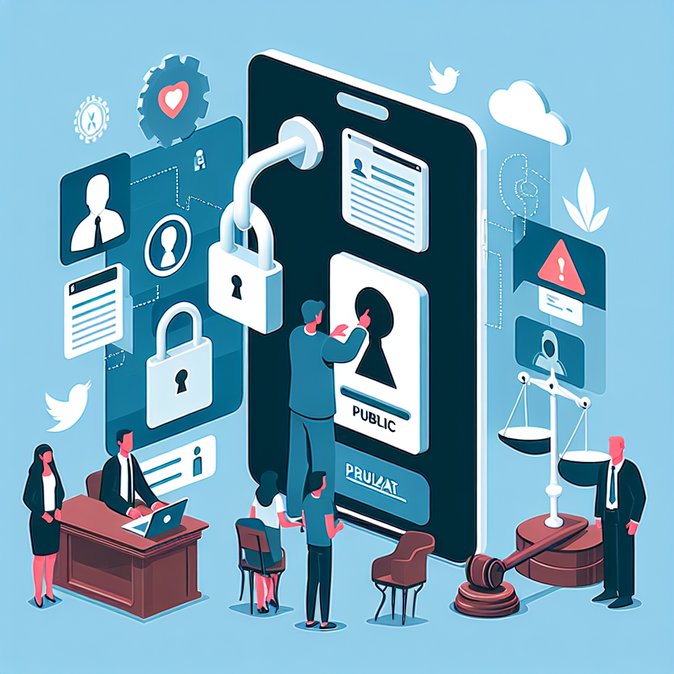
Experts say the rule’s broad language could expose travelers to refusals for innocuous posts taken out of context, or for privacy-settings that hide historical content. Litigators are already preparing First-Amendment challenges, arguing that the regulation chills free speech and intrudes on the personal data of millions with no individualized suspicion. For now, businesses should budget for possible delays and begin educating mobile staff about their online presence before the rule enters into force early next year.
Travel-industry leaders reacted swiftly. The U.S. Travel Association warned that the “intrusive” data grab could deter up to three million high-spending visitors a year—a US $7 billion hit to domestic tourism just as the industry is banking on the 2026 FIFA World Cup to revive visitor numbers. European officials said they are reviewing “reciprocal measures,” raising the specter of additional hurdles for U.S. business travelers heading to the EU.

Amid this shifting landscape, third-party facilitators such as VisaHQ can smooth the path. Through its U.S. portal (https://www.visahq.com/united-states/), the service tracks regulatory updates in real time and lets applicants securely organize social-media accounts, past e-mail addresses, and required family details before they start an ESTA application—reducing errors and helping travelers submit complete, compliant filings on the first try.
From a compliance standpoint, multinational employers must alert frequent travelers who rely on visa-free entry that their digital footprint will soon be scrutinized. Companies should update data-privacy notices, advise executives to purge sensitive material, and prepare for longer ESTA processing times that could disrupt short-notice trips. Immigration counsel also recommend auditing corporate social-media policies to ensure employees do not inadvertently post content that could be misinterpreted by U.S. consular or border officials.
Experts say the rule’s broad language could expose travelers to refusals for innocuous posts taken out of context, or for privacy-settings that hide historical content. Litigators are already preparing First-Amendment challenges, arguing that the regulation chills free speech and intrudes on the personal data of millions with no individualized suspicion. For now, businesses should budget for possible delays and begin educating mobile staff about their online presence before the rule enters into force early next year.