Even as fog disrupted visibility, Delhi’s perennial air-quality crisis compounded travel woes on 15 December. According to data reported by the Central Pollution Control Board, the city’s average Air Quality Index reached 449—well into the ‘severe’ category—prompting authorities to halt construction, restrict diesel-generator use and encourage remote work for schools and offices.
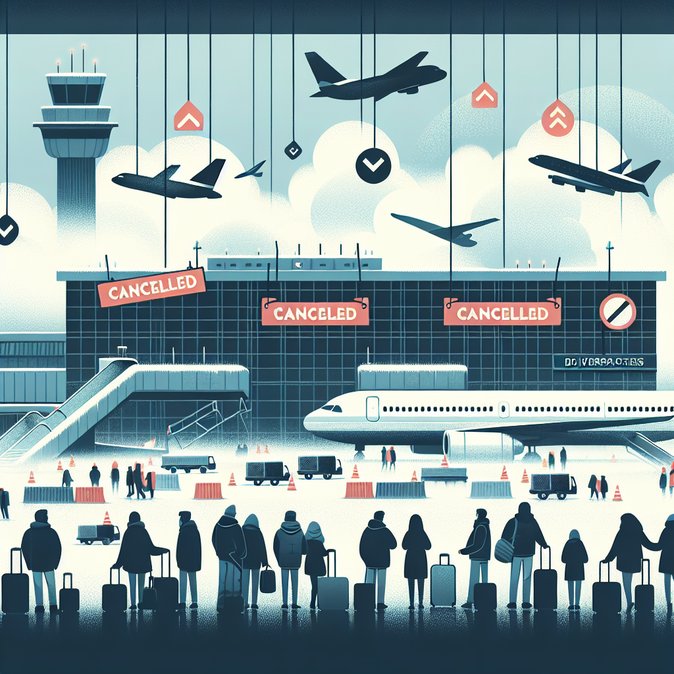
The smog reduced runway visibility below 200 metres for much of the morning, forcing the cancellation of more than 40 additional flights beyond those already grounded by fog. Indian Railways reported delays to over 50 north-bound and south-bound trains as locomotives were required to reduce speed.
International travelers caught in these disruptions—and companies scrambling to redeploy staff—can lean on VisaHQ’s end-to-end visa processing platform to secure or extend Indian visas without extra airport visits. The online service (https://www.visahq.com/india/) expedites paperwork, offers real-time status updates and arranges courier pick-ups, helping travelers focus on health and itinerary changes rather than bureaucracy.
![Toxic smog blankets Delhi again, delaying 40+ flights and 50 trains as AQI hits ‘severe’]()
Hospitals in the National Capital Region noted a surge in respiratory complaints, with some corporate health providers advising expatriate staff to wear N95 masks or temporarily relocate.
Environmental groups renewed calls for systemic reform, pointing to crop-residue burning and vehicular emissions as structural drivers. From a mobility standpoint, expatriate-assignment managers are recommending staggered work hours, air-purifier subsidies and flexible leave for employees with asthma or cardiovascular conditions.
While Delhi’s smog is a recurring winter phenomenon, the combination of ultra-low visibility and hazardous particulate matter poses an escalating threat to both passenger safety and supply-chain reliability. Companies with high-value cargo transiting through northern India should review contingency routing through Mumbai, Hyderabad or Bengaluru during peak pollution episodes.
The smog reduced runway visibility below 200 metres for much of the morning, forcing the cancellation of more than 40 additional flights beyond those already grounded by fog. Indian Railways reported delays to over 50 north-bound and south-bound trains as locomotives were required to reduce speed.
International travelers caught in these disruptions—and companies scrambling to redeploy staff—can lean on VisaHQ’s end-to-end visa processing platform to secure or extend Indian visas without extra airport visits. The online service (https://www.visahq.com/india/) expedites paperwork, offers real-time status updates and arranges courier pick-ups, helping travelers focus on health and itinerary changes rather than bureaucracy.

Hospitals in the National Capital Region noted a surge in respiratory complaints, with some corporate health providers advising expatriate staff to wear N95 masks or temporarily relocate.
Environmental groups renewed calls for systemic reform, pointing to crop-residue burning and vehicular emissions as structural drivers. From a mobility standpoint, expatriate-assignment managers are recommending staggered work hours, air-purifier subsidies and flexible leave for employees with asthma or cardiovascular conditions.
While Delhi’s smog is a recurring winter phenomenon, the combination of ultra-low visibility and hazardous particulate matter poses an escalating threat to both passenger safety and supply-chain reliability. Companies with high-value cargo transiting through northern India should review contingency routing through Mumbai, Hyderabad or Bengaluru during peak pollution episodes.