Australia’s Department of Home Affairs has quietly expanded its mobile-biometrics ‘Immi App’ to Brazil and 33 other jurisdictions, effective 13 December 2025. Until now, Brazilian students, business travellers and temporary-work applicants had to book physical appointments at outsourced visa-application centres to have fingerprints and photos captured. Those trips often added two to three weeks to end-to-end processing and forced travellers from secondary cities to make costly overnight journeys to São Paulo or Brasília.
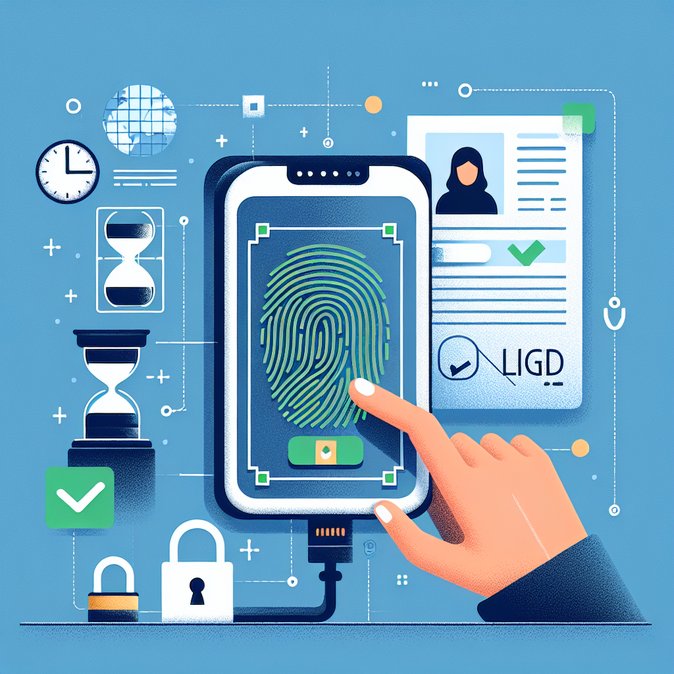
With the upgrade, applicants receive a Visa Lodgement Number (VLN) after lodging their online forms. The VLN unlocks the Immi App workflow, allowing users to scan the photo page of their passport and take a live “liveness-checked” selfie with a smartphone. Images are encrypted on-device and transmitted directly to Home Affairs’ secure servers before being auto-deleted, addressing privacy concerns raised during the pilot phase. Officials say the change will reduce average processing times for high-volume subclasses such as the Subclass 500 student visa and the new Skills-in-Demand (SID) work visa by roughly 30 percent.
Brazilian applicants who prefer expert guidance can streamline every stage of this new digital process with VisaHQ. The service’s Brazil portal (https://www.visahq.com/brazil/) offers step-by-step assistance for securing a VLN, meeting Immi App image standards, and aligning submissions with both Australian requirements and Brazil’s LGPD data rules.
![Australia’s new ‘Immi App’ lets Brazilians submit visa biometrics by phone, cutting processing times 30 %]()
For multinational employers, the practical upside is faster mobilisation of Brazilian talent for Australian projects in mining, agritech and higher education. Relocation vendors report that corporate clients are already rewriting service-level agreements to reflect the shorter lead times, while travel-programme managers are updating pre-departure checklists to confirm employees have compatible smartphones and understand Home Affairs’ strict image-quality standards.
Legal advisers, however, caution companies to build consent procedures into assignment files to comply with Brazil’s LGPD data-protection law. They also recommend documenting who uploads the biometrics and retaining screenshots of the Immi App confirmation page in case of downstream audits. Canberra views the mobile-biometrics push as part of a larger “digital-border” strategy that will ultimately replace paper passenger-cards and deliver fully tokenised travel credentials ahead of the 2032 Brisbane Olympics.
Brazil is the first Latin-American country to be added to the Immi App, and officials hint that more high-growth markets such as Vietnam and the Philippines will follow in early 2026. If the rollout stays on schedule, Brazilian applicants could see visa decisions drop from the current median of 25 days to just over two weeks—timely relief as universities brace for another record intake of Brazilian students next semester.
With the upgrade, applicants receive a Visa Lodgement Number (VLN) after lodging their online forms. The VLN unlocks the Immi App workflow, allowing users to scan the photo page of their passport and take a live “liveness-checked” selfie with a smartphone. Images are encrypted on-device and transmitted directly to Home Affairs’ secure servers before being auto-deleted, addressing privacy concerns raised during the pilot phase. Officials say the change will reduce average processing times for high-volume subclasses such as the Subclass 500 student visa and the new Skills-in-Demand (SID) work visa by roughly 30 percent.
Brazilian applicants who prefer expert guidance can streamline every stage of this new digital process with VisaHQ. The service’s Brazil portal (https://www.visahq.com/brazil/) offers step-by-step assistance for securing a VLN, meeting Immi App image standards, and aligning submissions with both Australian requirements and Brazil’s LGPD data rules.

For multinational employers, the practical upside is faster mobilisation of Brazilian talent for Australian projects in mining, agritech and higher education. Relocation vendors report that corporate clients are already rewriting service-level agreements to reflect the shorter lead times, while travel-programme managers are updating pre-departure checklists to confirm employees have compatible smartphones and understand Home Affairs’ strict image-quality standards.
Legal advisers, however, caution companies to build consent procedures into assignment files to comply with Brazil’s LGPD data-protection law. They also recommend documenting who uploads the biometrics and retaining screenshots of the Immi App confirmation page in case of downstream audits. Canberra views the mobile-biometrics push as part of a larger “digital-border” strategy that will ultimately replace paper passenger-cards and deliver fully tokenised travel credentials ahead of the 2032 Brisbane Olympics.
Brazil is the first Latin-American country to be added to the Immi App, and officials hint that more high-growth markets such as Vietnam and the Philippines will follow in early 2026. If the rollout stays on schedule, Brazilian applicants could see visa decisions drop from the current median of 25 days to just over two weeks—timely relief as universities brace for another record intake of Brazilian students next semester.