In another escalation of digital-age vetting, the U.S. Department of State has issued a worldwide cable instructing consular posts to demand that every H-1B principal applicant ‑ and each H-4 dependent - unlock all social-media accounts for public viewing when they appear for a visa appointment.
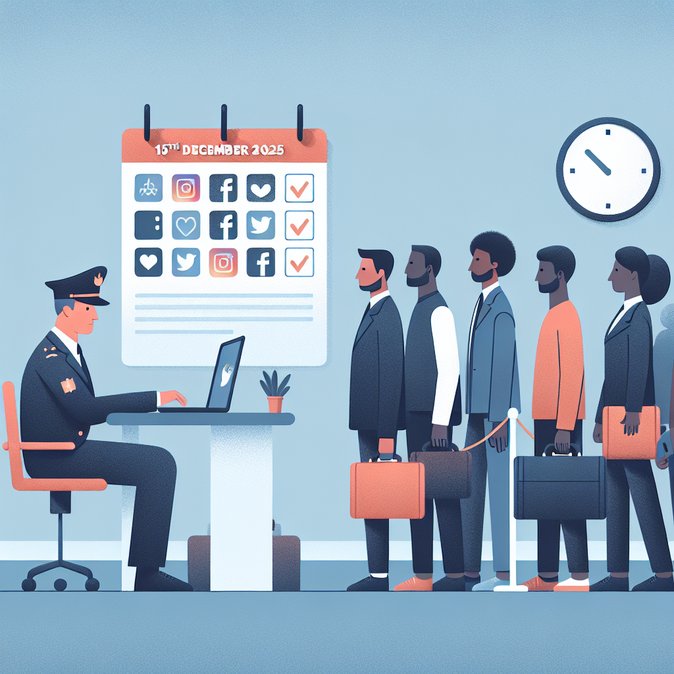
The directive, effective December 15, 2025, expands an earlier policy that already applied to F-1 students and J-1 exchange visitors. Officers will now review five years of posts on platforms ranging from LinkedIn to TikTok and may request additional handles discovered during open-source searches. Refusal to comply is grounds for a section 221(g) denial, forcing applicants to return with accounts set to “public.”
Business-immigration attorneys warn that the added step could lengthen interview times and drive up overall H-1B processing costs for employers. Companies that rely on “drop‐box” renewals abroad will see far fewer cases qualify, because almost all appointments have been converted to in-person interviews to facilitate the social-media check. Employers are already counselling workers to scrub posts for hate speech or inconsistent résumé data, but the new cable bars deletion of content after December 15; officers may treat recent changes as “material misrepresentation.”
![US to Require Public Social-Media Profiles for All H-1B Visa Filings Starting Dec 15]()
To ease some of this burden, VisaHQ’s online platform can coordinate appointment slots, flag required social-media disclosures, and pre-review documentation for both H-1B principals and H-4 dependents. Their U.S. visa hub (https://www.visahq.com/united-states/) aggregates the latest consular advisories and offers hands-on assistance, helping employers and travelers avoid costly delays.
Practically, U.S. companies should budget extra lead time—at least three additional weeks—for overseas H-1B stamping trips during peak holiday travel. Cross-border commuters in Canada and Mexico, who often renew visas during long weekends, risk missing work if posts raise red flags. Immigration counsel advise: 1) run internal audits of employees’ public profiles; 2) prepare written explanations for any political or satirical content that could be misread; and 3) update global-mobility policies to cover phone-search requests on arrival, because CBP may mirror consular vetting at ports of entry.
Longer-term, the move signals that Washington intends to normalise social-media review across all employment-based categories. If the H-1B rollout proceeds smoothly, attorneys expect L-1 intracompany transferees and O-1 talent visas to be next, potentially amplifying compliance burdens for multinationals that rotate staff through the United States.
The directive, effective December 15, 2025, expands an earlier policy that already applied to F-1 students and J-1 exchange visitors. Officers will now review five years of posts on platforms ranging from LinkedIn to TikTok and may request additional handles discovered during open-source searches. Refusal to comply is grounds for a section 221(g) denial, forcing applicants to return with accounts set to “public.”
Business-immigration attorneys warn that the added step could lengthen interview times and drive up overall H-1B processing costs for employers. Companies that rely on “drop‐box” renewals abroad will see far fewer cases qualify, because almost all appointments have been converted to in-person interviews to facilitate the social-media check. Employers are already counselling workers to scrub posts for hate speech or inconsistent résumé data, but the new cable bars deletion of content after December 15; officers may treat recent changes as “material misrepresentation.”

To ease some of this burden, VisaHQ’s online platform can coordinate appointment slots, flag required social-media disclosures, and pre-review documentation for both H-1B principals and H-4 dependents. Their U.S. visa hub (https://www.visahq.com/united-states/) aggregates the latest consular advisories and offers hands-on assistance, helping employers and travelers avoid costly delays.
Practically, U.S. companies should budget extra lead time—at least three additional weeks—for overseas H-1B stamping trips during peak holiday travel. Cross-border commuters in Canada and Mexico, who often renew visas during long weekends, risk missing work if posts raise red flags. Immigration counsel advise: 1) run internal audits of employees’ public profiles; 2) prepare written explanations for any political or satirical content that could be misread; and 3) update global-mobility policies to cover phone-search requests on arrival, because CBP may mirror consular vetting at ports of entry.
Longer-term, the move signals that Washington intends to normalise social-media review across all employment-based categories. If the H-1B rollout proceeds smoothly, attorneys expect L-1 intracompany transferees and O-1 talent visas to be next, potentially amplifying compliance burdens for multinationals that rotate staff through the United States.