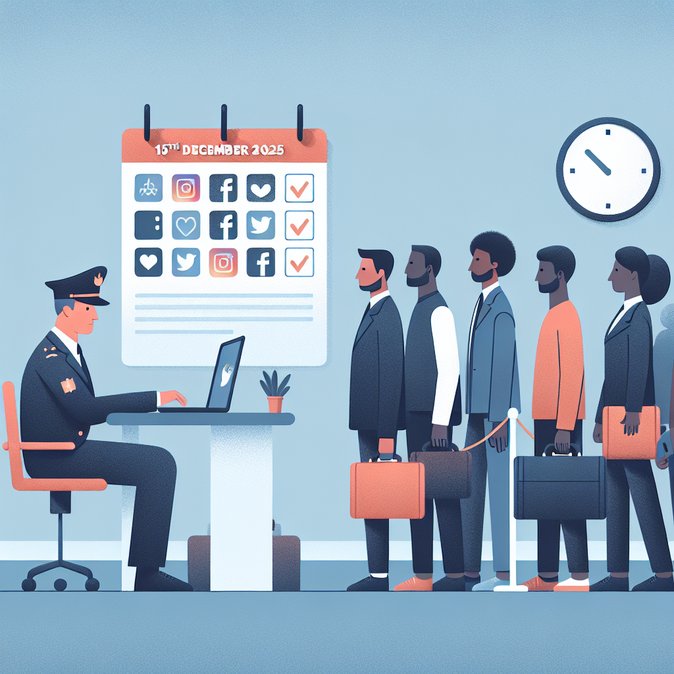
Travelers who normally breeze through U.S. immigration under the Visa Waiver Program (VWP) will soon face the same digital scrutiny long applied to visa holders. A draft rule unveiled over the weekend—and confirmed by immigration attorney Benjamin Green in Canadian media—authorises Customs and Border Protection (CBP) officers to request five years of social-media history, ten years of e-mail addresses and all stored phone metadata from anyone entering the country, including citizens of Canada, Japan, the United Kingdom and 37 other VWP nations.
Officials stress the authority already exists, but the new regulation makes the practice routine rather than exceptional. Canadians, for example, could be asked at land crossings to hand over unlocked phones; wiping apps or using a “burner” handset will be treated as a potential red flag. Refusal to comply remains legal but would trigger summary refusal of admission.
Travelers navigating these shifting requirements can streamline the process by using VisaHQ, whose digital platform monitors up-to-the-minute U.S. border policies, guides users through ESTA applications, and offers corporations a dashboard to manage multiple employee trips in one place. More information is available at https://www.visahq.com/united-states/
![DHS Extends Phone-and-Social-Media Searches to Visa-Waiver Visitors at US Borders]()
The business-travel sector is sounding alarms. U.S. Travel Association estimates that VWP visitors account for nearly 40 percent of international business-trip spending in the United States. Additional secondary inspections could translate into missed meetings, tighter connection windows and higher travel-insurance premiums for multinationals. Airlines, obliged to board only ESTA-cleared passengers, may need new gate-side procedures to verify travellers’ consent to device searches.
For corporations, the immediate task is to update employee codes of conduct and pre-trip briefings: travellers should expect questions about deleted apps, “private” Instagram pages or encrypted messaging services. Companies with strict IT-security rules (e.g., forbidding company e-mails on personal devices) must craft workarounds, such as loaner phones, to avoid border conflicts.
Stakeholders have 60 days to submit comments once the proposal hits the Federal Register. Mobility managers are urged to coordinate responses through industry coalitions (e.g., GBTA, SHRM) to argue for clear limits on data retention and quicker redress procedures for denied entrants.
Officials stress the authority already exists, but the new regulation makes the practice routine rather than exceptional. Canadians, for example, could be asked at land crossings to hand over unlocked phones; wiping apps or using a “burner” handset will be treated as a potential red flag. Refusal to comply remains legal but would trigger summary refusal of admission.
Travelers navigating these shifting requirements can streamline the process by using VisaHQ, whose digital platform monitors up-to-the-minute U.S. border policies, guides users through ESTA applications, and offers corporations a dashboard to manage multiple employee trips in one place. More information is available at https://www.visahq.com/united-states/

The business-travel sector is sounding alarms. U.S. Travel Association estimates that VWP visitors account for nearly 40 percent of international business-trip spending in the United States. Additional secondary inspections could translate into missed meetings, tighter connection windows and higher travel-insurance premiums for multinationals. Airlines, obliged to board only ESTA-cleared passengers, may need new gate-side procedures to verify travellers’ consent to device searches.
For corporations, the immediate task is to update employee codes of conduct and pre-trip briefings: travellers should expect questions about deleted apps, “private” Instagram pages or encrypted messaging services. Companies with strict IT-security rules (e.g., forbidding company e-mails on personal devices) must craft workarounds, such as loaner phones, to avoid border conflicts.
Stakeholders have 60 days to submit comments once the proposal hits the Federal Register. Mobility managers are urged to coordinate responses through industry coalitions (e.g., GBTA, SHRM) to argue for clear limits on data retention and quicker redress procedures for denied entrants.